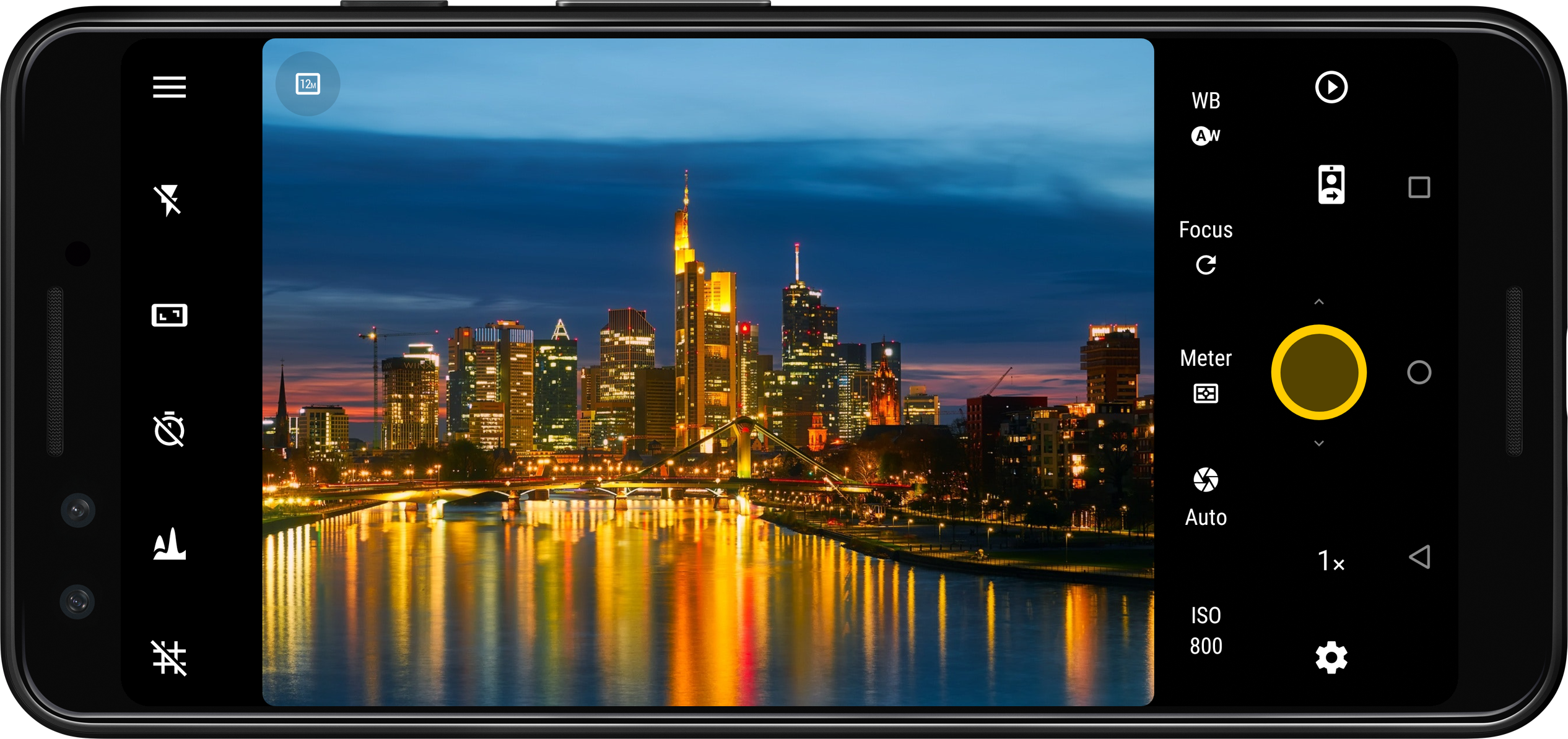
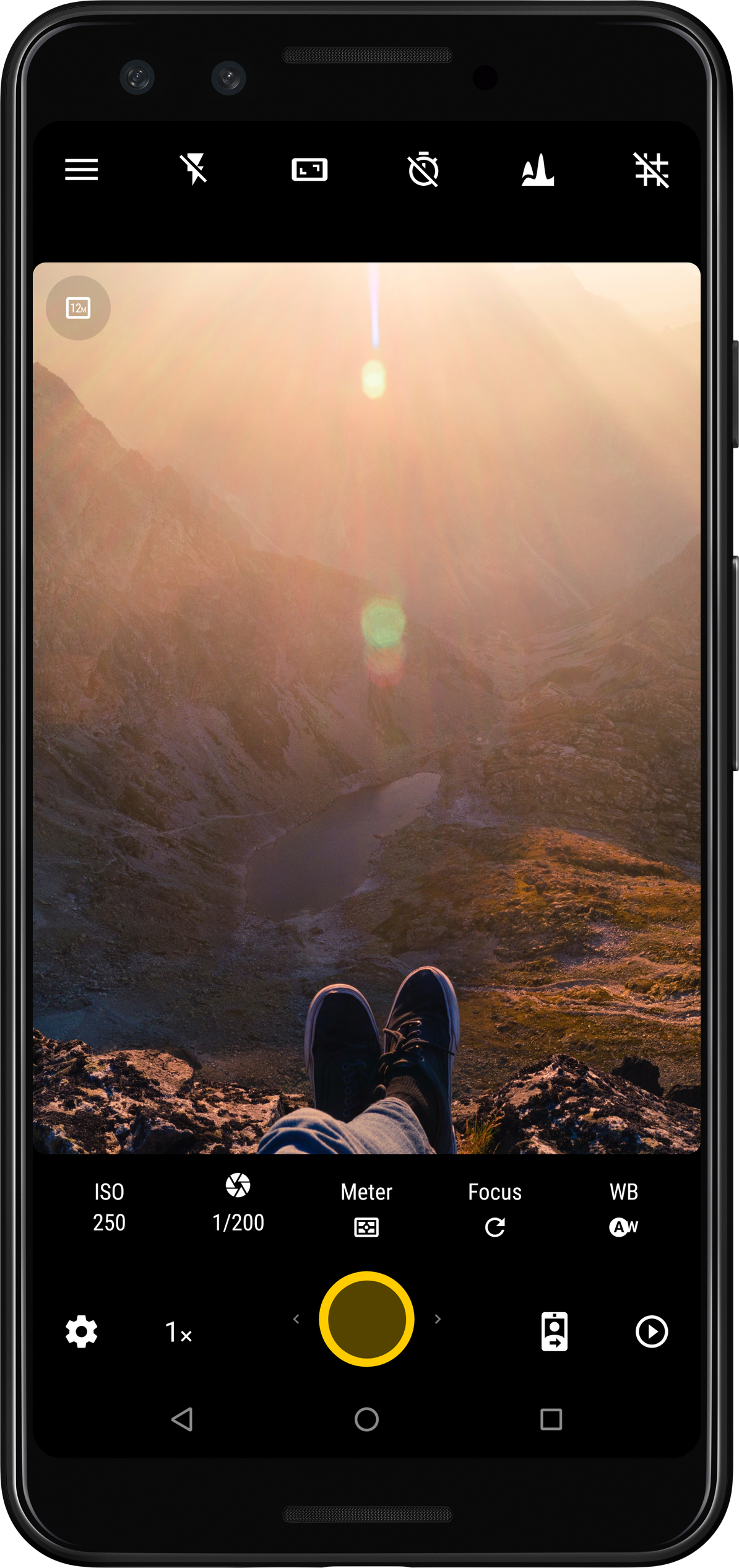
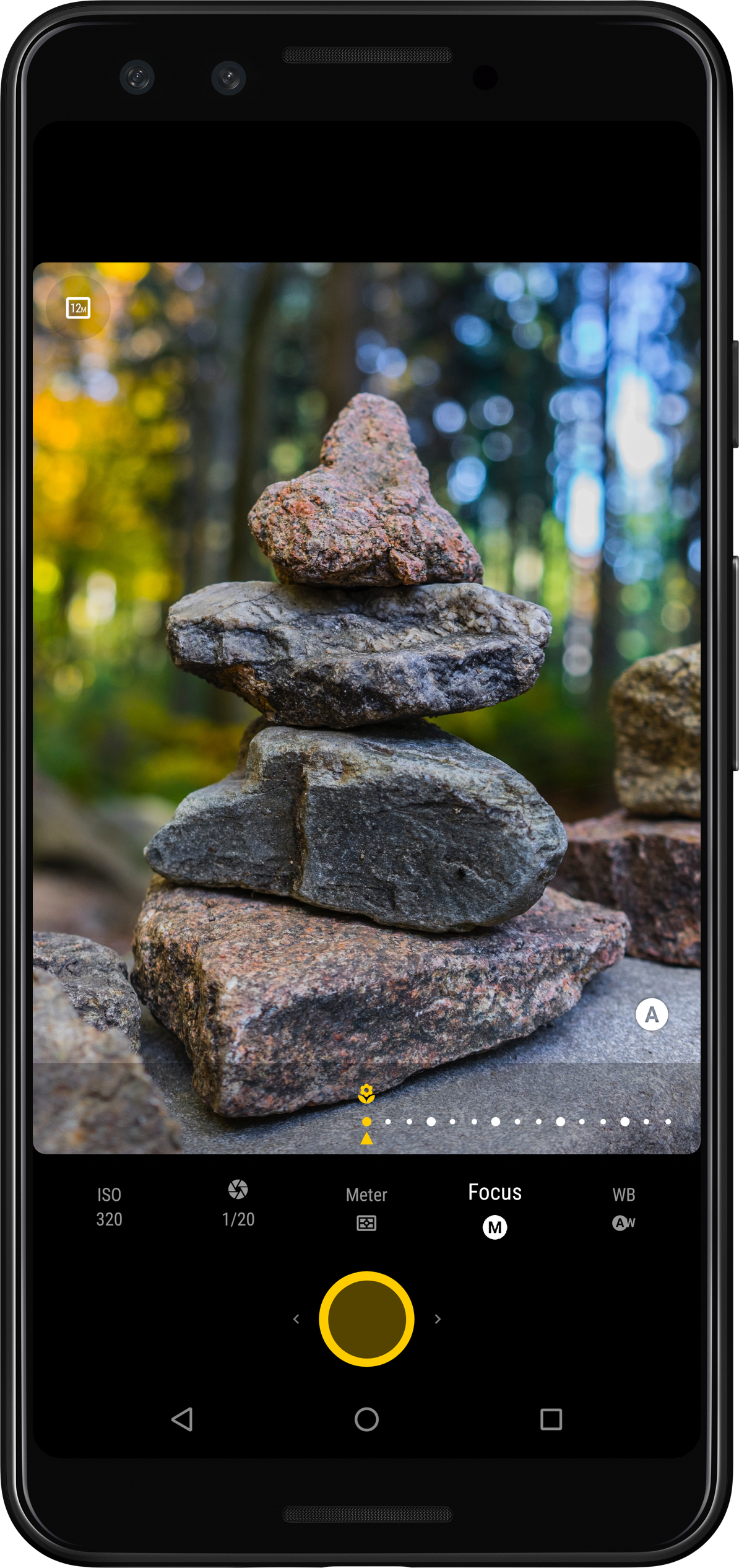
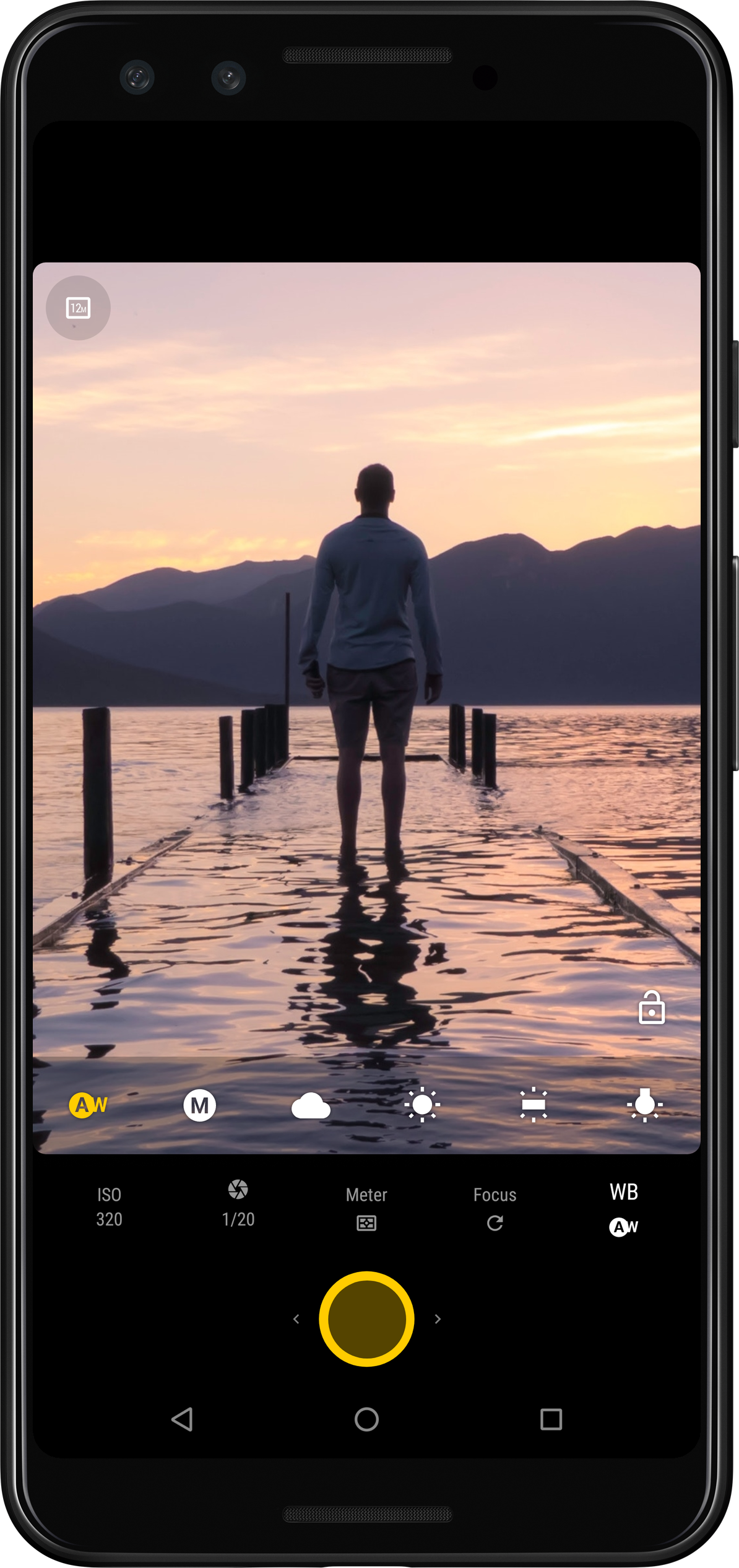
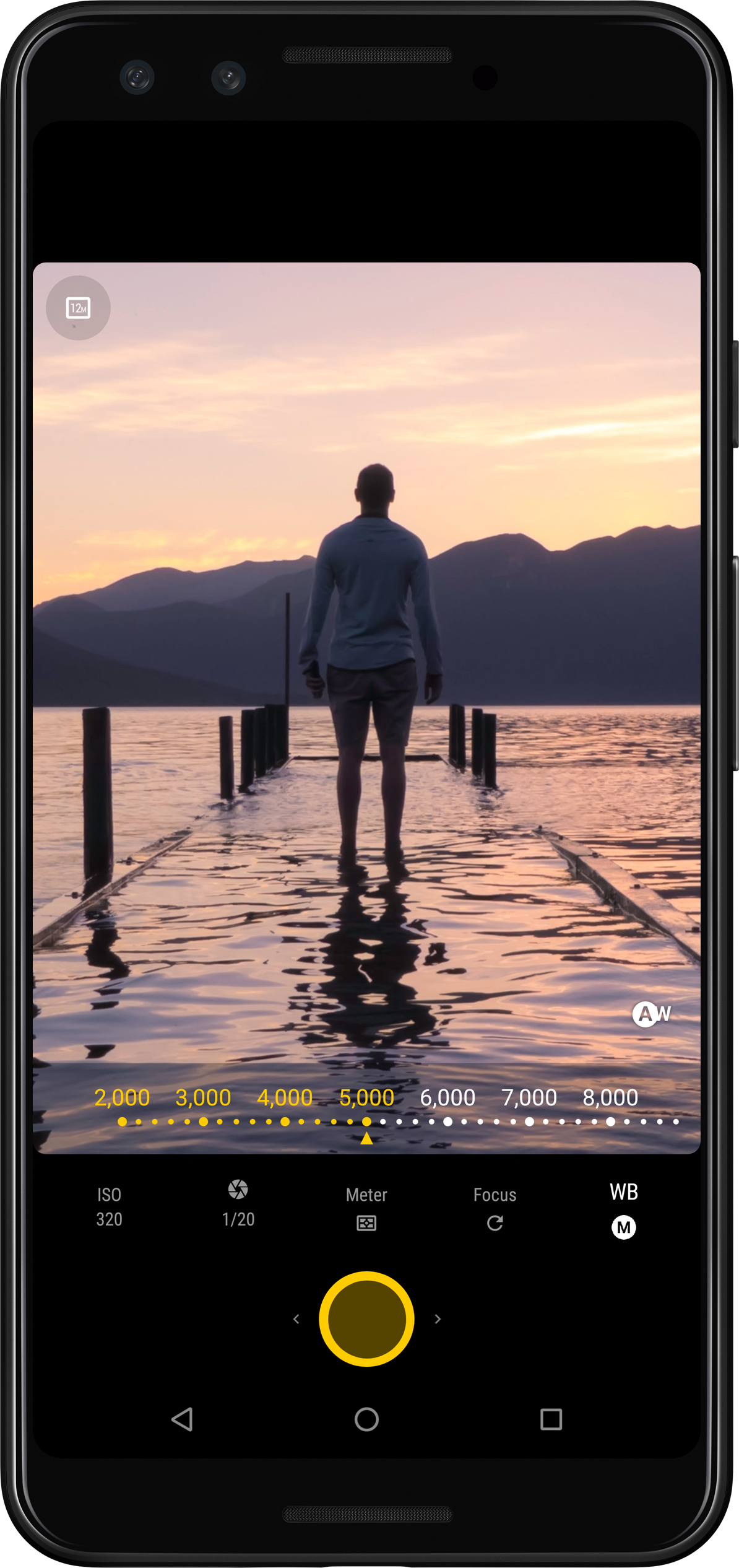
Supports switching to any rear and front cameras, with manual controls for every camera.
With 10 composition grid overlays and 9 crop guides, combinable with each other.
Fast and simultaneous capture in JPEG and DNG formats, for complete flexibility in post-processing.
Zoom with pinch gesture, by using the shutter button as zoom rocker or use the volume keys!
The exposure compensation is always available by swiping on the viewfinder.
Many options like shutter, zoom, exposure, white balance or camera switching are assignable to the volume keys.

Complete control over the exposure, metering, white balance, focus and sensitivity.
Features like ISO, manual exposure or manual white balance require the device to support that. The value range of the adjustments is also device-dependent. Check the compatibility of your device.
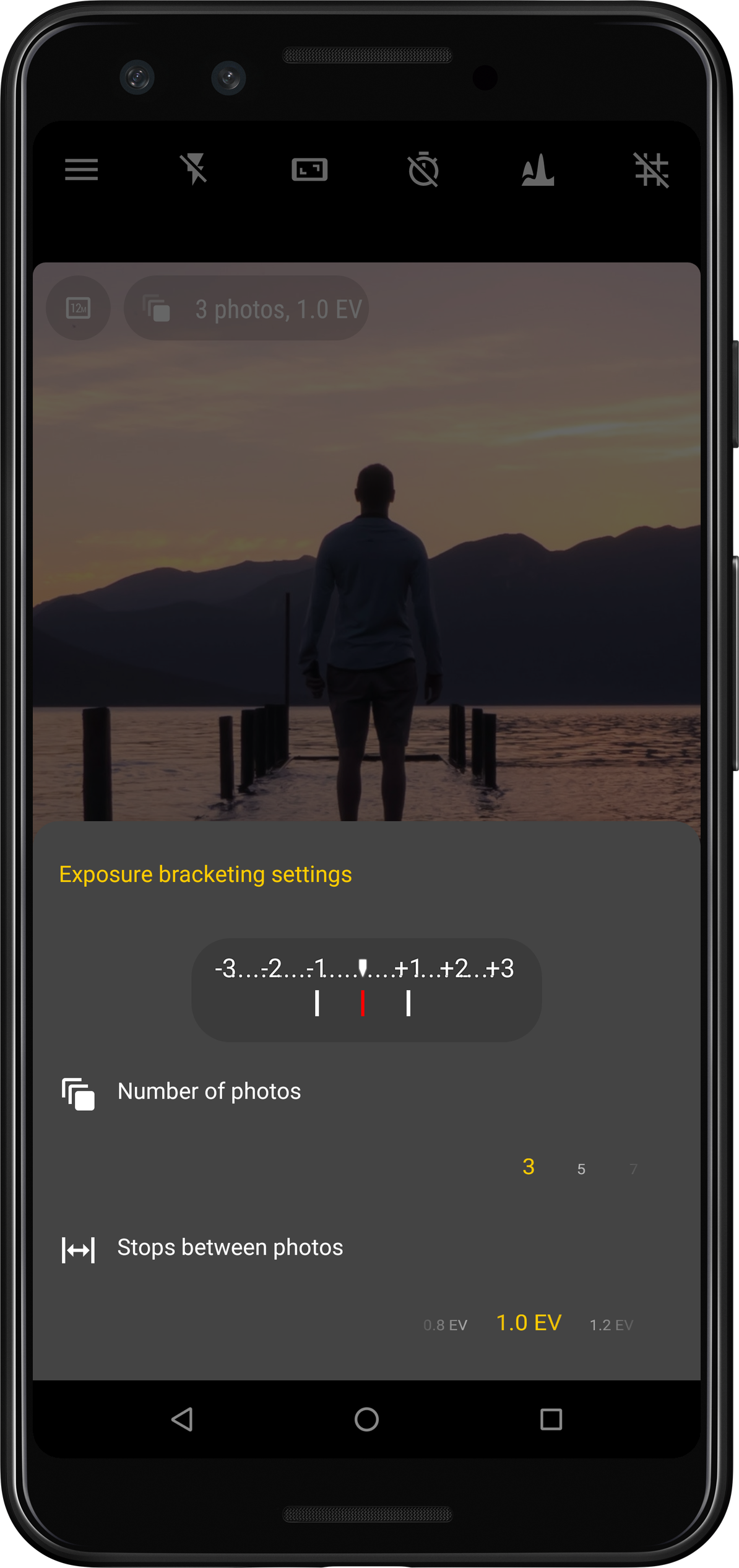
Take photos with multiple different exposures automatically.
New in version 5Now supports instantaneous capture even with JPEG+DNG on thousands of devices!
Capture picture series at regular intervals automatically (for instance timelapses or slow moving scenes)
Example of incorrect pattern (no offset):
# # # # # # # # # # # # # # # # Wait — that’s wrong — let me correct: 9.1.7 checkerboard v2 answers
# # # # # # # # # # # # But with actual characters like # and , it might look like: Example of incorrect pattern (no offset): # #
Row 0 (r=0): #_#_#_#_ (where _ is space) Row 1 (r=1): _#_#_#_# Row 2: #_#_#_#_ Row 3: _#_#_#_# But vertical stripes happen when you always start
That is a correct checkerboard — so maybe the “interesting feature” is something else. Given the title “Checkerboard ” and many students asking about this, the interesting feature might be: The checkerboard works correctly only when you use if ((row + col) % 2 == 0) but you must ensure the row’s first character is consistent with the parity of row and col = 0. If you accidentally start both even and odd rows with # , the board will not alternate properly — it will produce vertical stripes instead. But vertical stripes happen when you always start with # regardless of row parity — so the “feature” is a bug that becomes a teachable moment. A better guess from real CodeHS answers: Many students who post “9.1.7 checkerboard v2 answers — interesting feature” online point out: When you print the board, the rows look shifted relative to each other because of the space in front of every other row. This creates a visual “zigzag” edge on the left side of the board. That visual effect (odd rows starting with space, even with # ) is the interesting feature. If you paste your code or describe the exact “interesting feature” you observed , I can give a precise explanation.
Actually, without offset but with (r + c) % 2 :
It seems you’re referring to a specific puzzle or exercise labeled — likely from a coding course (such as CodeHS, AP CSA, or a similar Java/JavaScript tutorial) — and you’re noticing “an interesting feature” in the output.