From the epic sorrow of Orpheus and Eurydice to the witty sparring of Elizabeth Bennet and Mr. Darcy, from the angsty yearning of a slow-burn fanfiction to the messy, beautiful realism of Normal People , relationships and romantic storylines are the quiet engines of narrative. They are not merely a genre, but a fundamental lens through which we explore human existence. While action plots give us adrenaline and mysteries offer resolution, romantic storylines provide something more profound: a blueprint for intimacy, a laboratory for identity, and a mirror for our deepest cultural anxieties and hopes.
In the end, we return to romantic storylines not because we are naive, but because we are hopeful. They are our collective attempt to map the unmappable—the strange alchemy by which another person’s existence becomes essential to our own. In a world that often feels chaotic and isolating, these stories remind us of our deepest human need: to be known, to be chosen, and to build a home in another heart. That is not escapism. That is rehearsal for the most important work of our lives.
Critically, the evolution of romantic storylines in media also functions as a cultural barometer. The damsel-in-distress tropes of early cinema reflected patriarchal norms, while the screwball comedies of the 1930s hinted at a new, witty equality between sexes. The rise of the “manic pixie dream girl” in the 2000s revealed a generation’s anxiety about emotional deadness in men, and the current demand for “slow burn” queer romances or neurodivergent love stories (like in Heartstopper ) signals a hunger for more specific, authentic, and tender representations of intimacy. We are moving away from grand, toxic gestures (the airport sprint) toward the radical act of being understood: “I see your stim, and I love you for it.” Each generation rewrites romance to diagnose its own loneliness and prescribe its own cure.
Ares
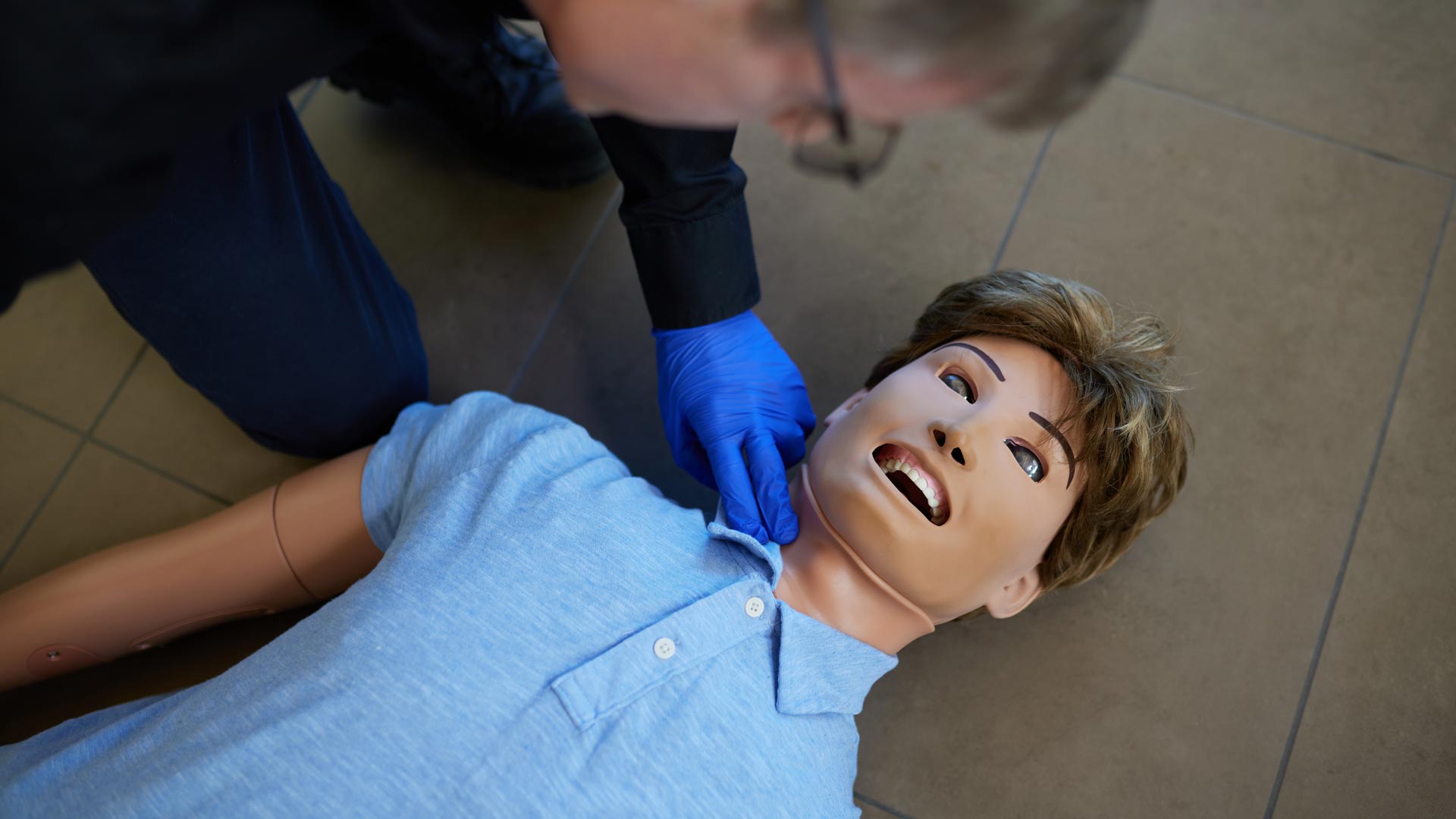
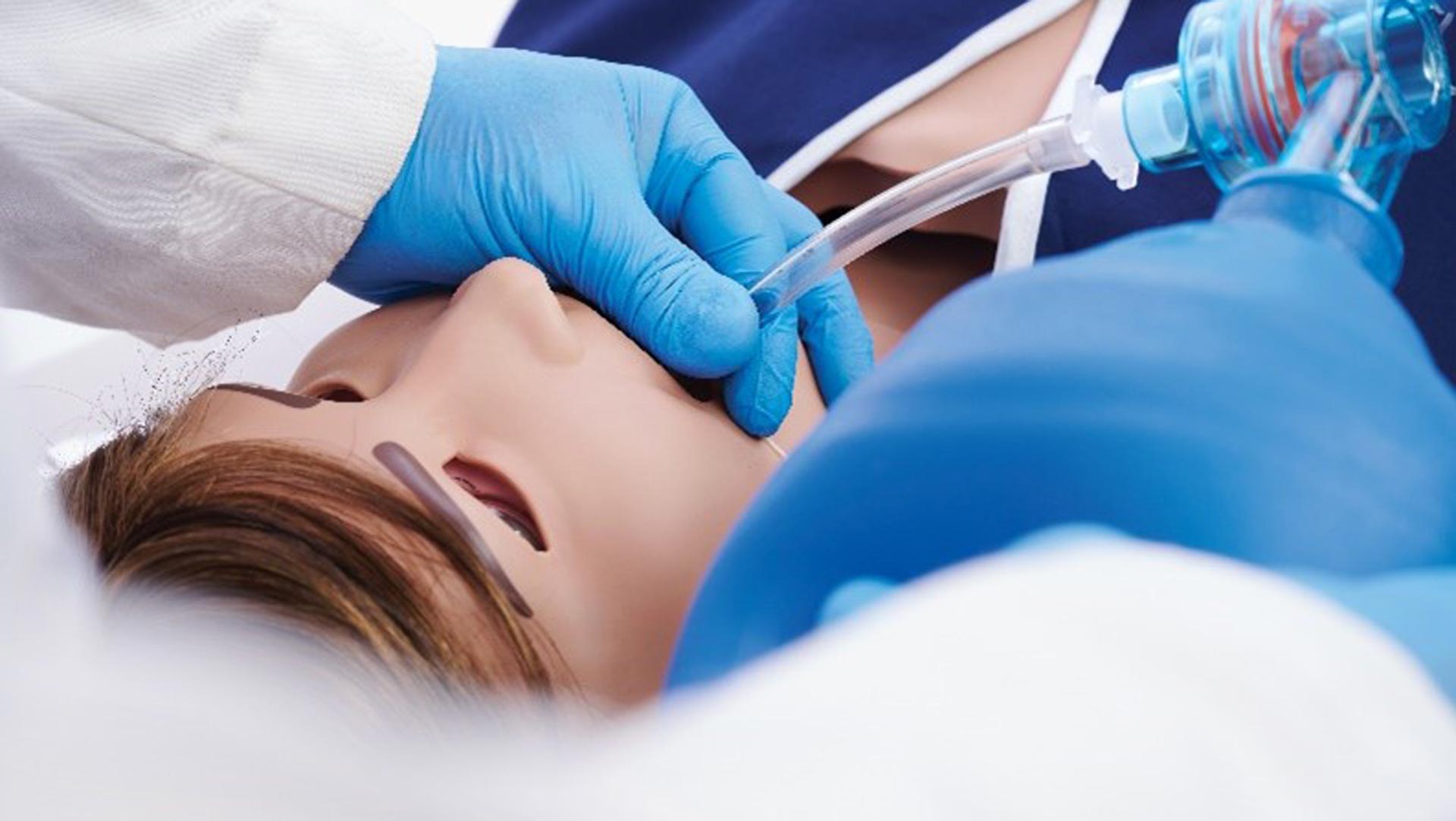
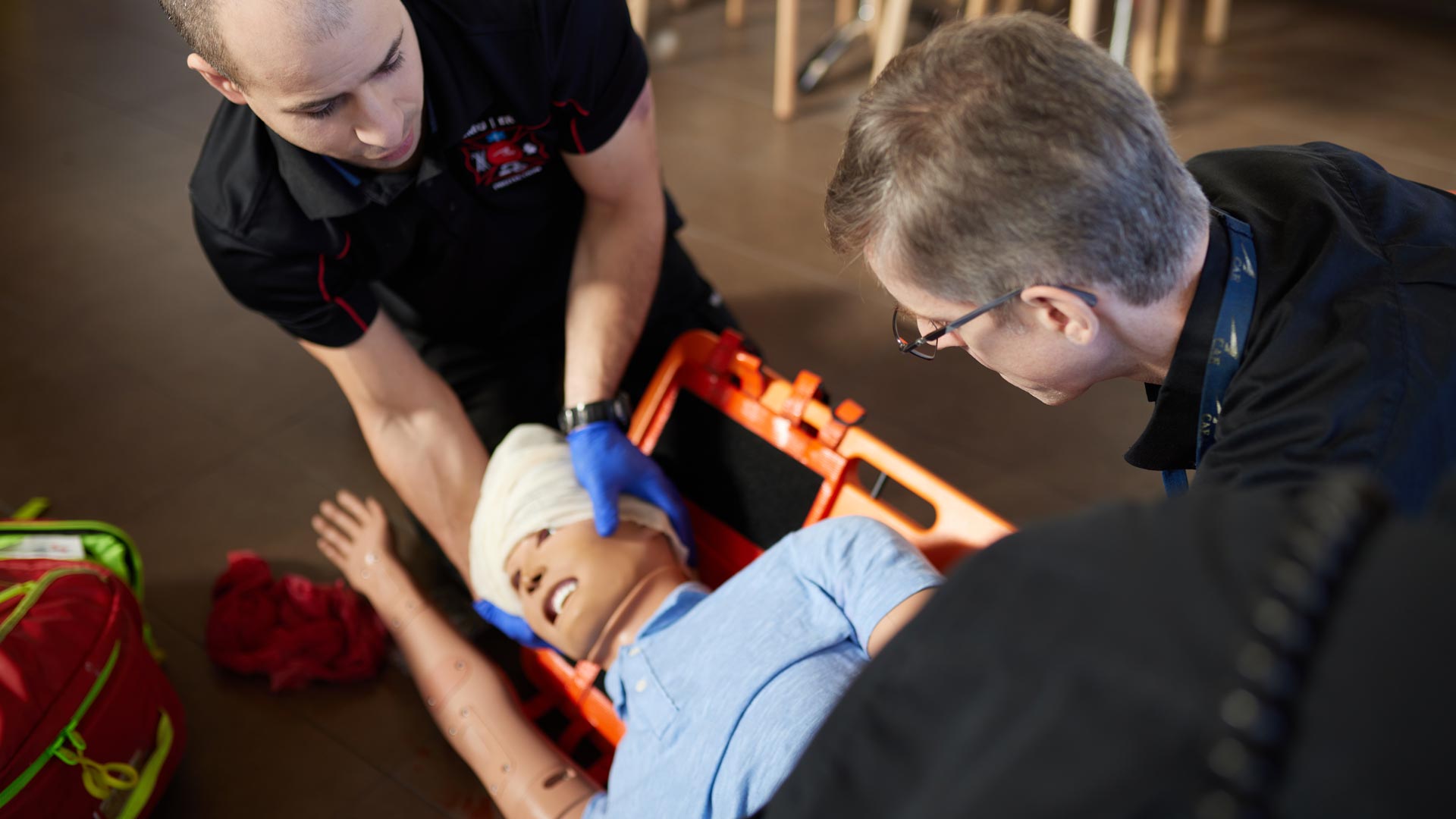
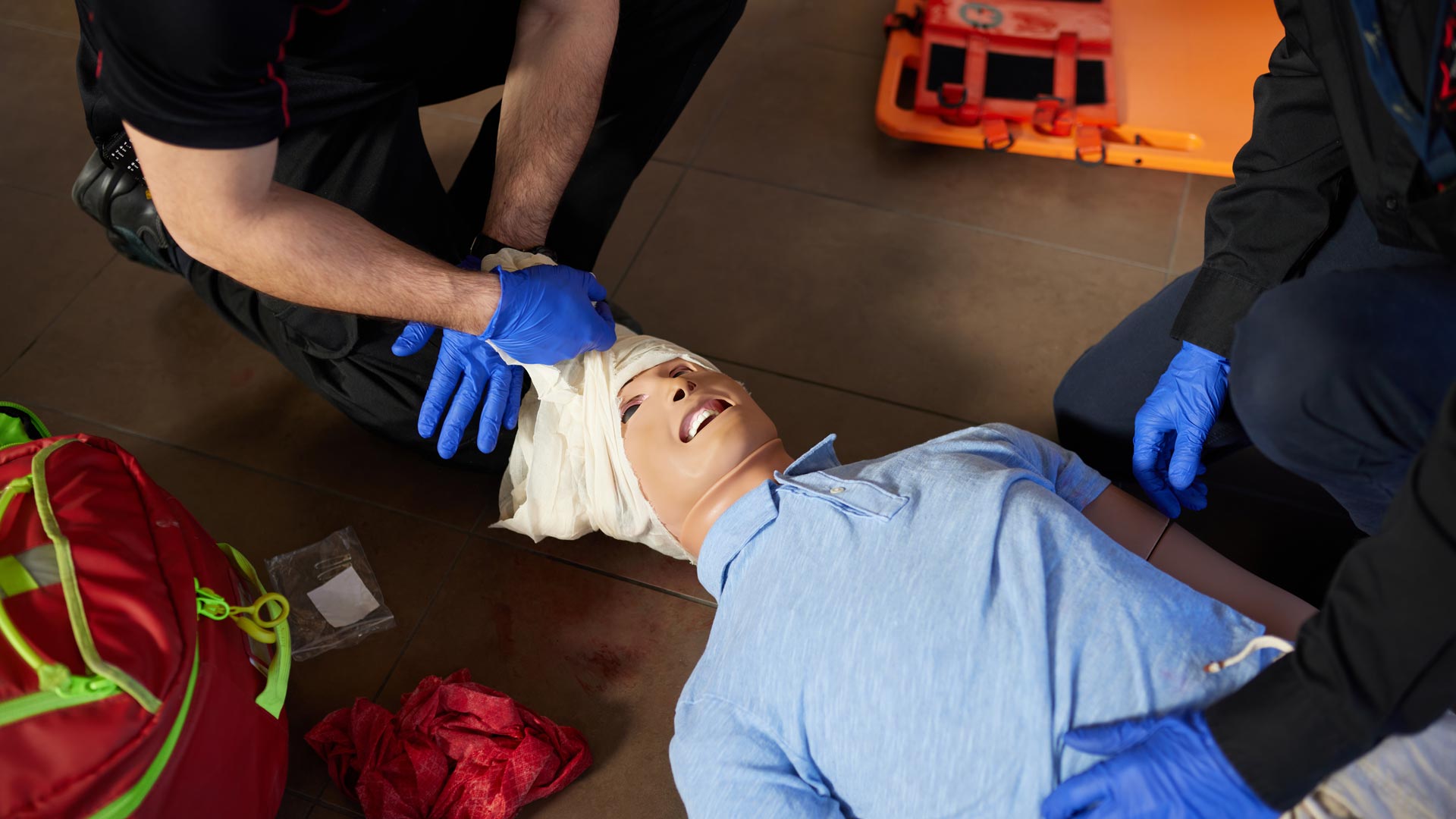
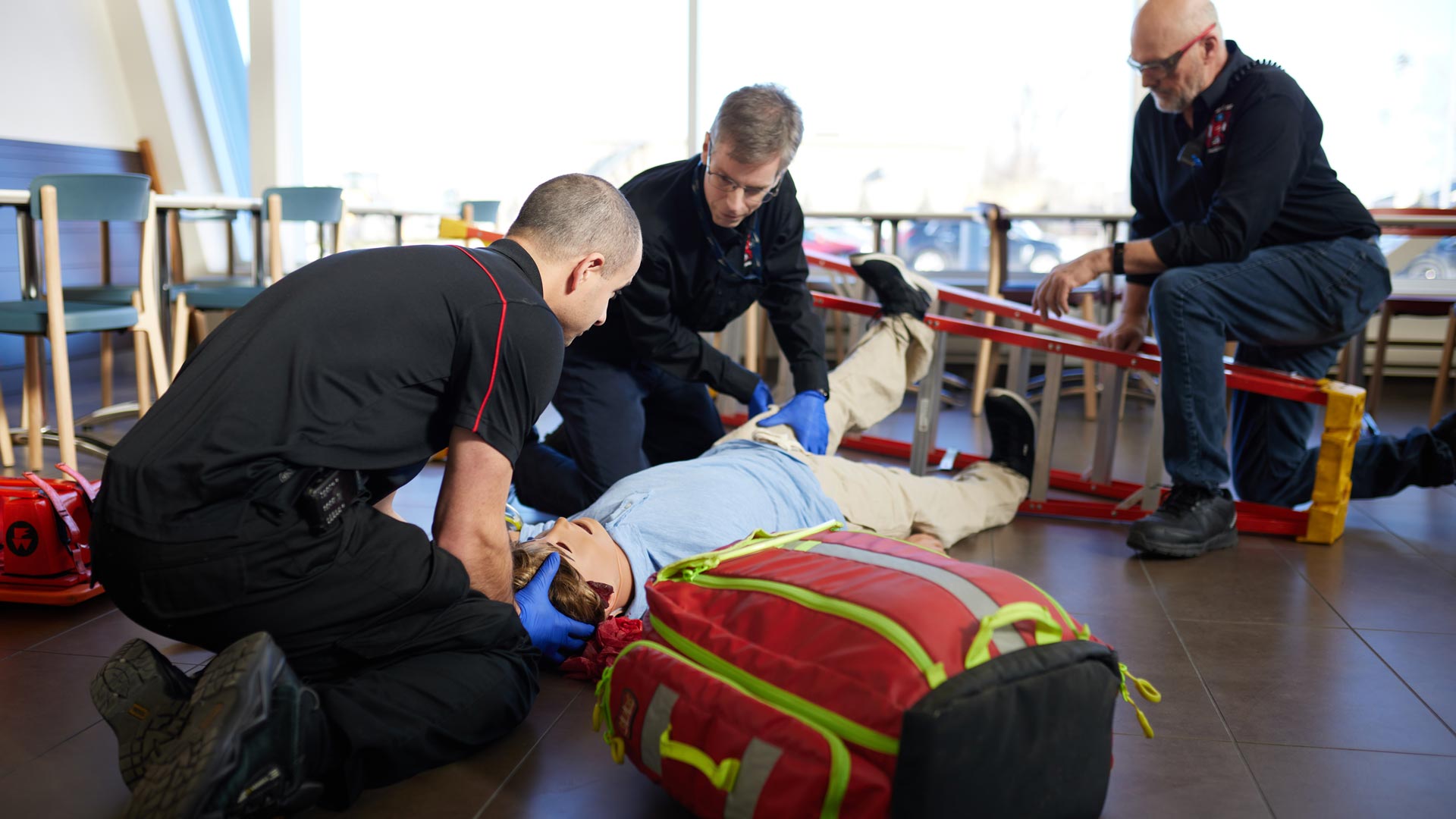
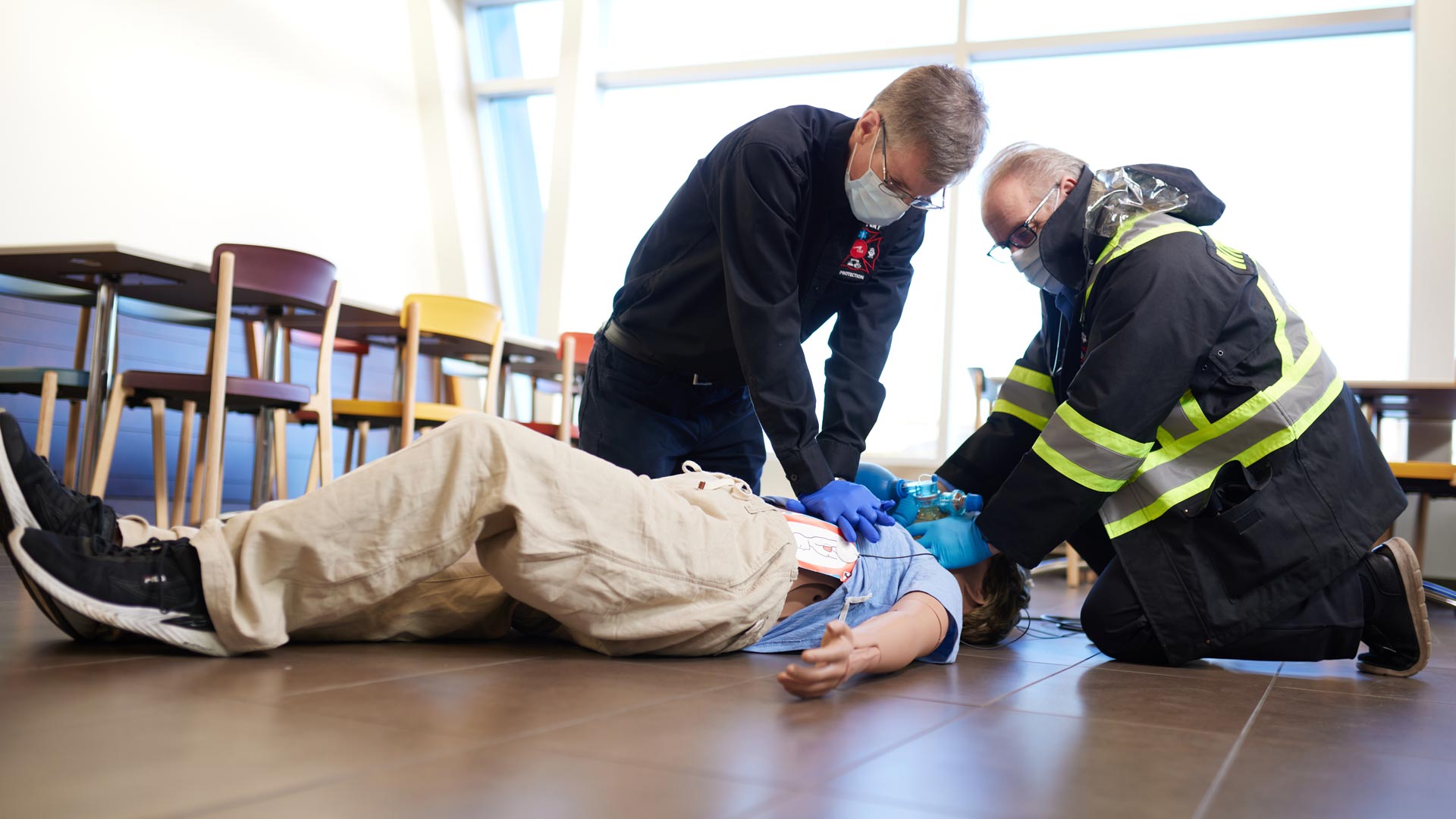
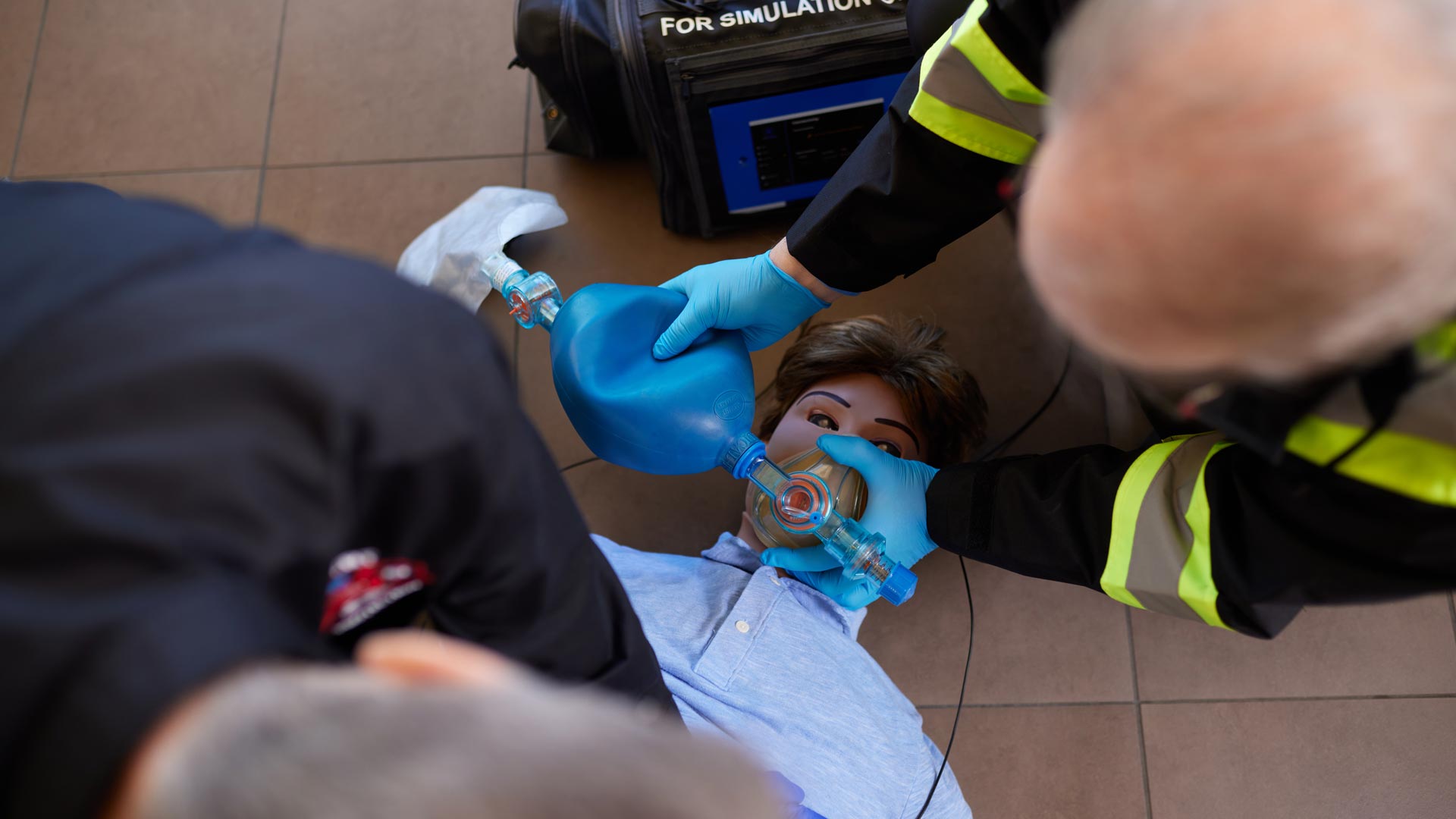
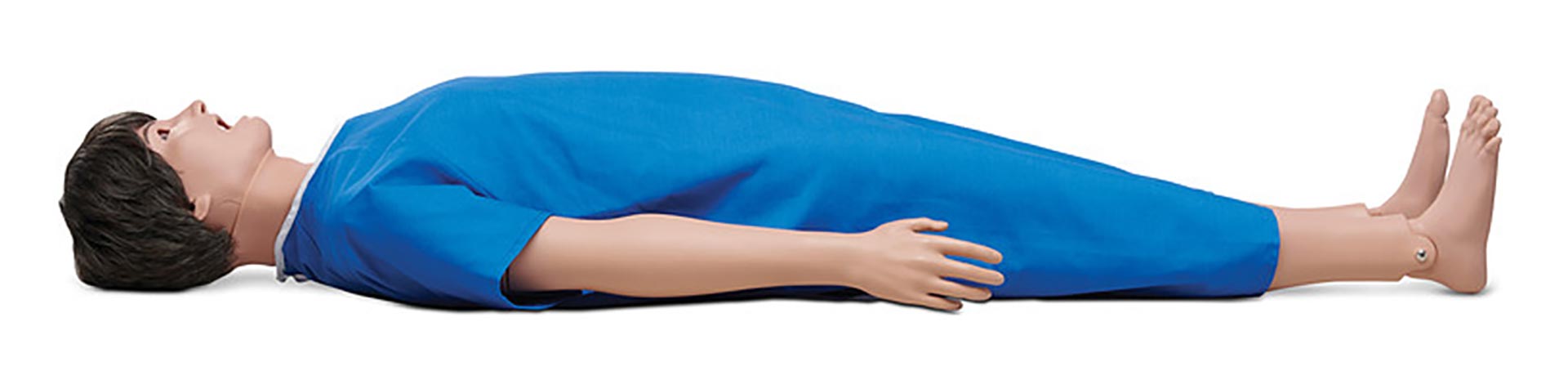
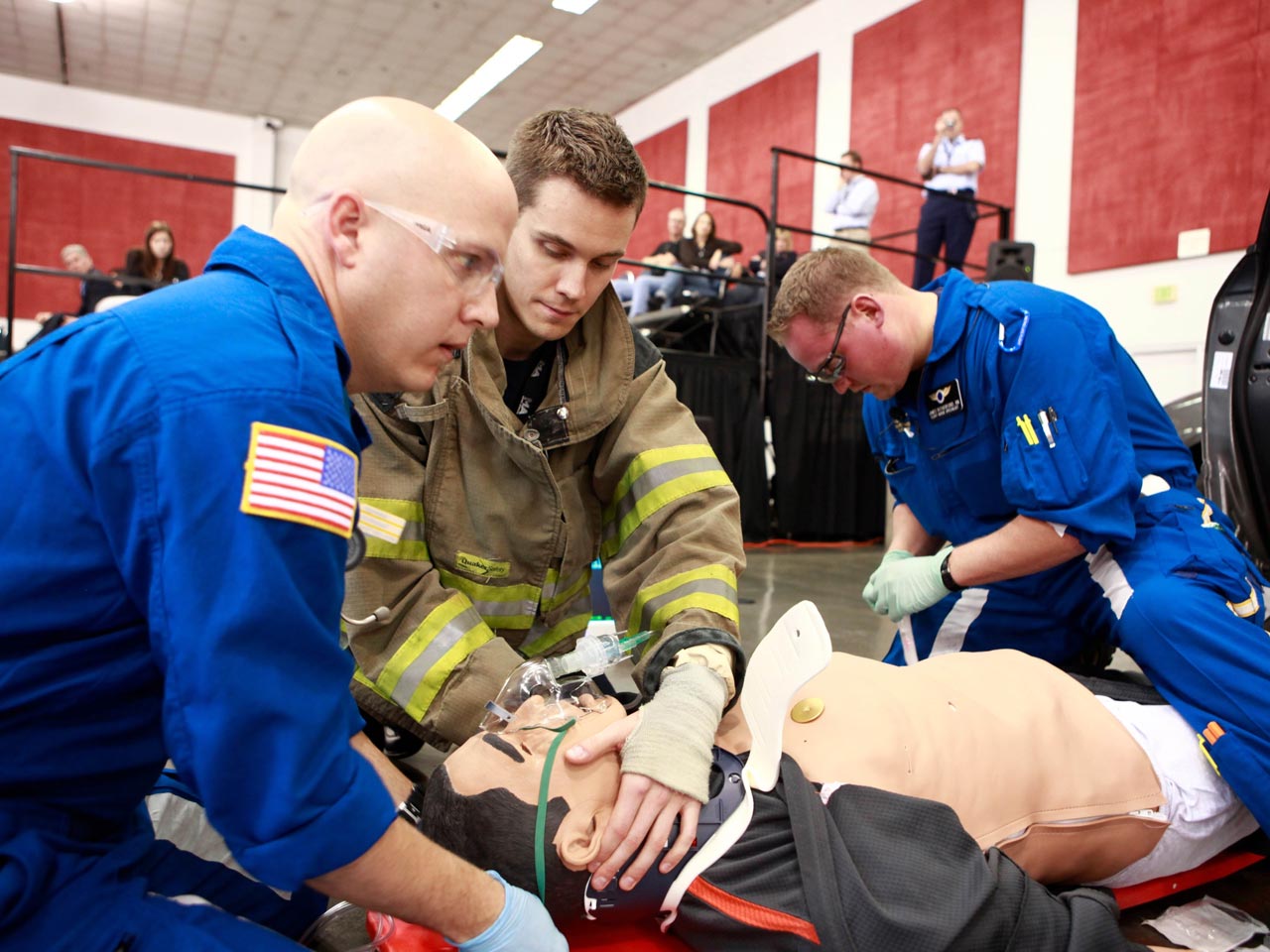
Save time and money with Ares, our cost-effective emergency care simulator designed for nursing programs, EMT educators, and trauma teams who need reliable training that delivers results. Learners can practice essential airway management, breathing assessment, and emergency medications while experiencing dynamic feedback that builds real confidence.
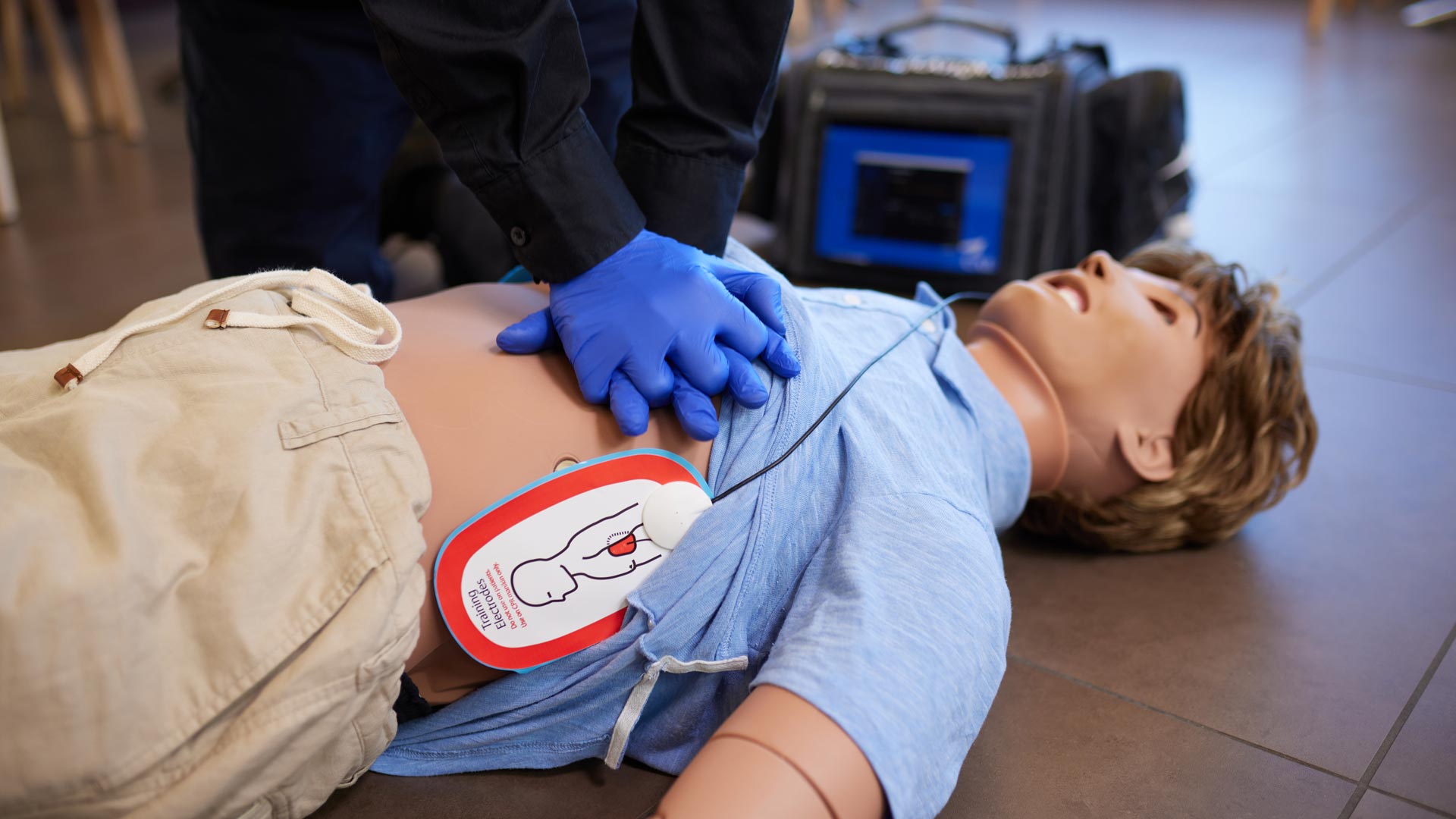
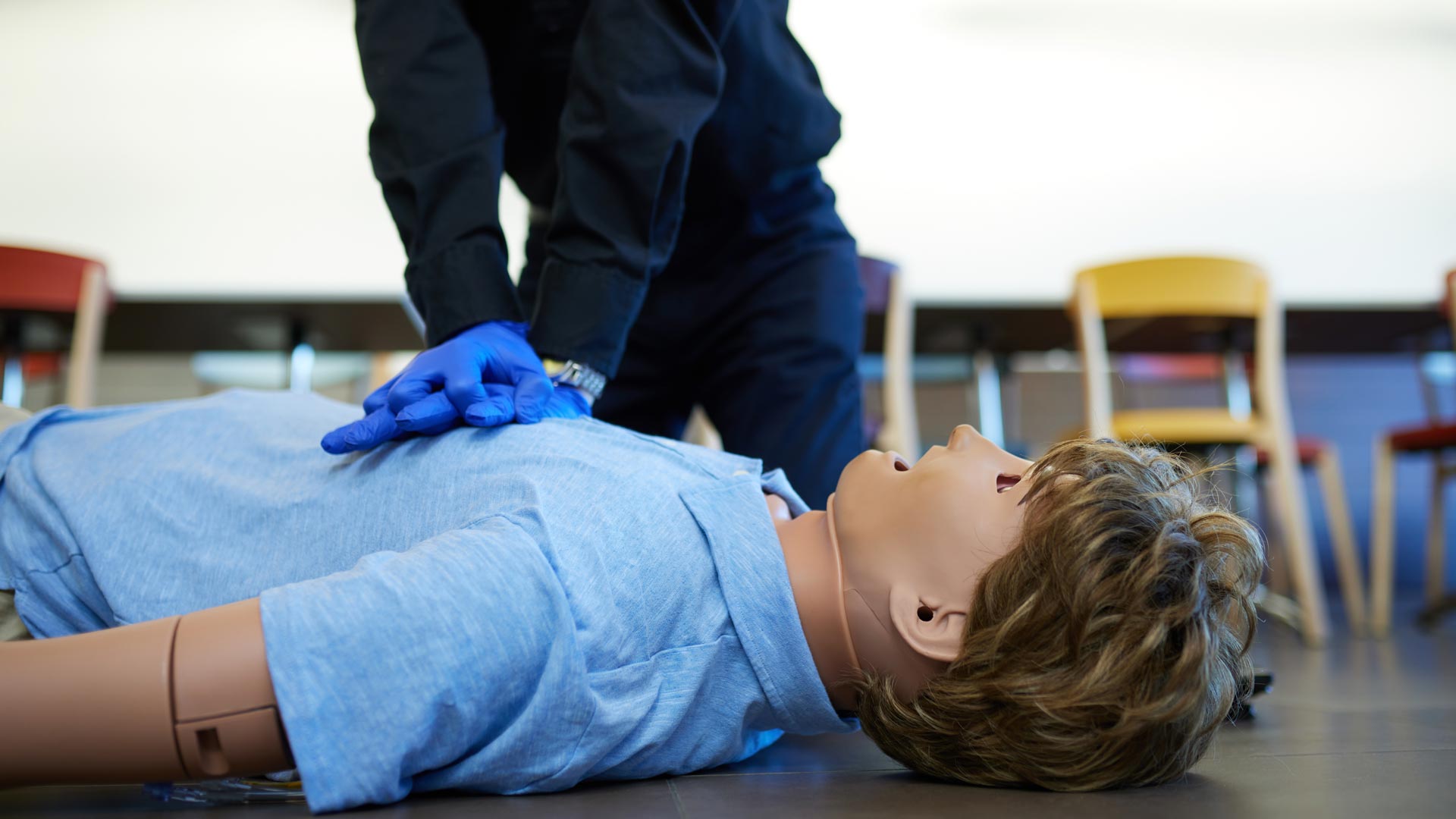
Ares integrates advanced training capabilities seamlessly into everyday curriculum. SymEyes technology enables patient condition assessment, while built-in CPR performance tracking ensures students master ALS and ACLS protocols. Combined with Maestro simulation software and two-way communication, these features create training experiences that translate directly to improved patient care.
"“Elevate Healthcare have many products that are available to meet the users where they're at, whether it is a low fidelity trainer or a mid-fidelity with some physiology, or a high-fidelity bit of equipment.” "
- - Dr. Daniel Ortiz, Associate Dean of Nursing and Allied Health
Why Choose Ares
Cost-Effective Solution
Durable construction reduces replacement and maintenance expenses
Flexible financing and service plan options
High training volume capacity supports program scalability
Proven Emergency Protocols
AHA and ERC compliant CPR training capabilities
ACLS and ALS protocol support
Evidence-based emergency care scenario library
Real equipment integration for authentic training experiences
Operational Reliability
Simplified setup and operation procedures
Comprehensive technical support and service options
See how Ares delivers realistic emergency care training capabilities.
Eyes
Alter the appearance of eyelids, pupils and sclera with SymEyes for diagnostic training
Head
Bilateral carotid pulses paired with modeled physiology for cardiovascular assessment
Chest
Spontaneous breathing with visible chest rise and fall during bag-valve-mask ventilation
Abdomen
Chest compressions compliant with AHA and ERC guidelines for resuscitation training
Lower Chest
Auscultate normal and abnormal heart, lung and bowel sounds for patient assessment
Wrists
Palpate bilateral brachial and radial pulses for circulatory evaluation
Knees
Realistic articulation at hips, knees, ankles, and shoulders for patient positioning
Eyes
Head
Chest
Abdomen
Lower Chest
Wrists
Knees
Experience Ares in an On-Demand Virtual Demo
Ares Virtual Demo
Explore Ares' emergency care capabilities, including SymEyes technology, two-way communication, advanced CPR performance analysis, and realistic emergency response training. See how Maestro software enables dynamic scenario management and real-time performance feedback for effective emergency care education.
From the epic sorrow of Orpheus and Eurydice to the witty sparring of Elizabeth Bennet and Mr. Darcy, from the angsty yearning of a slow-burn fanfiction to the messy, beautiful realism of Normal People , relationships and romantic storylines are the quiet engines of narrative. They are not merely a genre, but a fundamental lens through which we explore human existence. While action plots give us adrenaline and mysteries offer resolution, romantic storylines provide something more profound: a blueprint for intimacy, a laboratory for identity, and a mirror for our deepest cultural anxieties and hopes.
In the end, we return to romantic storylines not because we are naive, but because we are hopeful. They are our collective attempt to map the unmappable—the strange alchemy by which another person’s existence becomes essential to our own. In a world that often feels chaotic and isolating, these stories remind us of our deepest human need: to be known, to be chosen, and to build a home in another heart. That is not escapism. That is rehearsal for the most important work of our lives. From the epic sorrow of Orpheus and Eurydice
Critically, the evolution of romantic storylines in media also functions as a cultural barometer. The damsel-in-distress tropes of early cinema reflected patriarchal norms, while the screwball comedies of the 1930s hinted at a new, witty equality between sexes. The rise of the “manic pixie dream girl” in the 2000s revealed a generation’s anxiety about emotional deadness in men, and the current demand for “slow burn” queer romances or neurodivergent love stories (like in Heartstopper ) signals a hunger for more specific, authentic, and tender representations of intimacy. We are moving away from grand, toxic gestures (the airport sprint) toward the radical act of being understood: “I see your stim, and I love you for it.” Each generation rewrites romance to diagnose its own loneliness and prescribe its own cure. While action plots give us adrenaline and mysteries
Virtual Demos On-Demand
They’re designed to help you envision how the right tools can support your goals and integrate seamlessly into your program.