




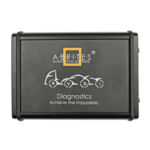
 Abrites AVDI J2534
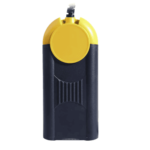 Actia Multi-Diag
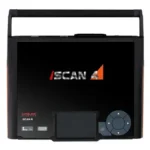 Autoland iSCAN
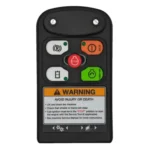 Bobcat Diagnostic Kit
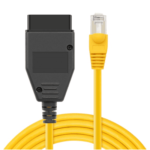 BMW ENET
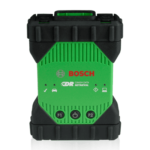 Bosch Mastertech II J2534
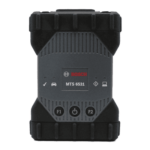 Bosch MTS 6531
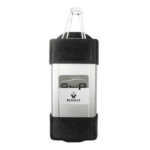 CAN CLIP RLT2002
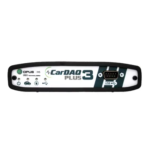 CarDAQ-Plus 3
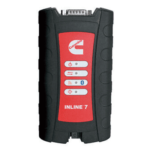 Cummins INLINE Datalink
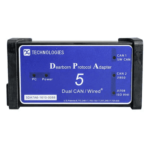 Dearborn Protocol Adapter (DPA) 5
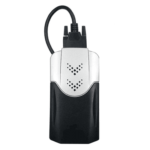 Delphi/Autocom DS150E
 DrewLinQ
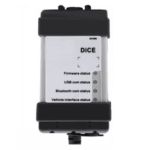 Volvo VIDA DiCE
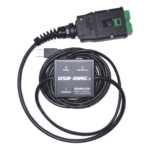 Derelek USB DIAG 3
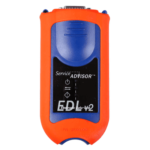 Electronic Data Link (EDL) 2
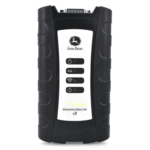 Electronic Data Link (EDL) 3
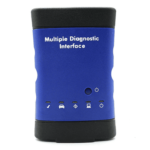 GM MDI 1
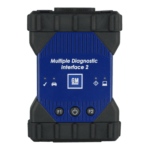 GM MDI 2
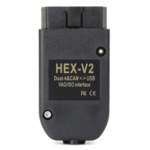 HEX-V2 VCDS VAG-COM
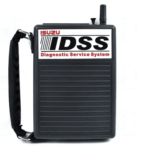 Isuzu IDSS IDS MX1
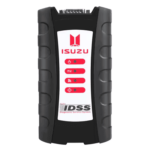 Isuzu IDSS IDS MX2
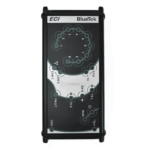 Iveco Eltrac E.A.SY. ECI
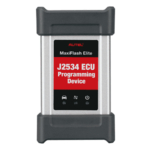 MaxiFlash Elite J2534
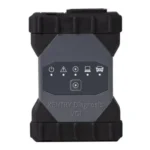 MB Star C6
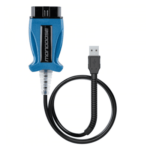 Mongoose J2534
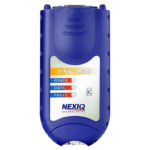 Nexiq USB-Link 1
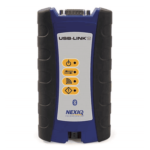 Nexiq USB-Link 2
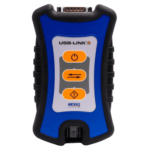 Nexiq USB-Link 3
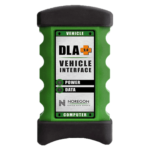 Noregon DLA+ 2.0
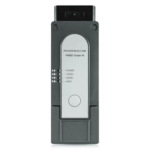 Porsche PIWIS TESTER 3 (PT3G)
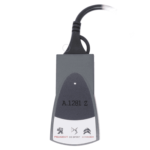 PSA LEXIA 3
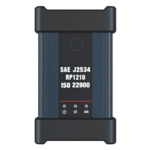 SAE J2434
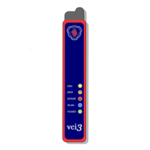 Scania VCI 3
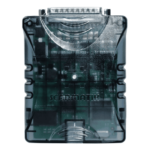 Scanmatik 2 PRO
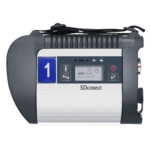 SD Connect Multiplexer
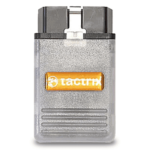 Tactrix OpenPort 2.0
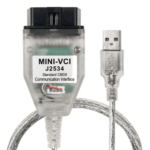 Toyota TIS Mini VCI
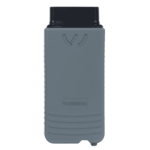 VAG ODIS VAS5054 Clone
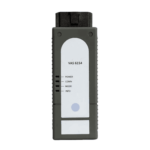 VAG ODIS VAS6154 Clone
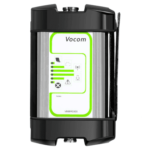 Volvo VOCOM 1
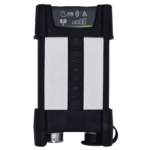 Volvo VOCOM 2
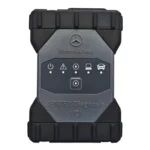 Xentry VCI
 Yanmar Diagnostic Interface Box (IFBOX)
22 - Czech Massage Ktr 13 12
Czech massage, KTR‑13‑12‑22, manual therapy, rehabilitation, evidence‑based practice 1. Introduction Massage therapy is recognized worldwide as a valuable adjunct to conventional medical treatment. In the Czech Republic, the discipline evolved from folk “láska” (gentle stroking) and “masáž” (deep pressure) traditions into a scientifically informed practice during the latter half of the 20th century (Novák & Svoboda, 1995). Among the most systematic contributions is the KTR‑13‑12‑22 protocol , a three‑stage regimen that integrates K inetic (joint mobilization), T actile (myofascial release), and R elaxation (autonomic modulation) components.
Czech Massage KTR‑13‑12‑22: Historical Roots, Clinical Rationale, and Contemporary Applications Czech Massage Ktr 13 12 22
[your.email@university.cz] Abstract The Czech Republic has a long-standing tradition of therapeutic massage, yet many of its indigenous techniques remain under‑represented in the international literature. This paper provides a comprehensive overview of the KTR‑13‑12‑22 protocol—a structured, three‑phase manual therapy sequence originally codified in the early 1990s by the Klinické Terapeutické Rady (Clinical Therapeutic Council). Drawing on archival documents, peer‑reviewed studies, and recent clinical trials, the review elucidates the historical development of KTR‑13‑12‑22, its biomechanical and neurophysiological underpinnings, and its efficacy across diverse patient populations (musculoskeletal pain, post‑stroke spasticity, and chronic low‑back syndrome). The synthesis of evidence suggests that KTR‑13‑12‑22 delivers statistically and clinically significant improvements in pain intensity (−2.3 ± 0.8 NRS), functional mobility (Δ Timed‑Up‑and‑Go = ‑1.9 s), and health‑related quality of life (SF‑36 Physical Component Summary = +7.4 points) when administered in a minimum of six weekly sessions. The paper concludes with recommendations for standardised training, integration into multidisciplinary rehabilitation pathways, and future research directions. Faculty of Health Sciences
[Your Name] – Department of Physical Therapy, Faculty of Health Sciences, Charles University, Prague, Czech Republic Drawing on archival documents