Fix-garbled-menu-text -2- -2-.exe -

It is highly unusual to encounter an essay topic structured as a filename: . At first glance, this appears to be a corrupted executable file, a digital artifact riddled with hyphens, duplicate version numbers, and a promise to repair “garbled menu text.” However, beneath this technical veneer lies a rich metaphor for the human struggle with broken systems, the illusion of simple digital fixes, and the cyclical nature of troubleshooting. The Garbled Interface: A Symptom of Deeper Decay The phrase “garbled menu text” evokes a familiar frustration: you open a program, and instead of clear commands like “File,” “Edit,” or “View,” you see meaningless symbols—squares, slashes, or random Unicode characters. On the surface, this is a font rendering issue, a missing language pack, or a registry error. But metaphorically, garbled text represents any moment in life where communication fails. It is the misheard conversation, the poorly translated instruction manual, or the inner monologue that no longer makes sense. We all encounter “garbled menus” in our personal interfaces with work, relationships, and society.

The decision to run “Fix-garbled-menu-text -2- -2-.exe” is a parable about trust in unknown solutions. We download it from a random website because we are desperate to read our menu. We ignore the warning signs—the double hyphens, the duplicate numbers, the lack of a digital signature—because the immediate pain of “garbled text” outweighs the abstract risk of malware. In our careers and personal lives, we often accept similarly dubious quick fixes, ignoring red flags because the current confusion is unbearable. Ultimately, the essay about this strange filename is not about computers but about clarity. “Fix-garbled-menu-text -2- -2-.exe” is a ghost: a promise of order from a source that cannot spell its own name. The real solution to garbled menu text is rarely a mysterious executable. It is methodical troubleshooting: checking system settings, restoring default fonts, verifying file integrity, or reinstalling the application cleanly. Fix-garbled-menu-text -2- -2-.exe

The filename promises a fix. Yet, the very name of the fixer is broken. “Fix-garbled-menu-text -2- -2-.exe” is not clean; it contains redundant spaces, double dashes, and the repetition of “-2-” twice. This suggests that the solution itself is corrupted. In the digital world, downloading an executable with such a chaotic name is a classic sign of malware or shareware from an untrustworthy forum. We are tempted to run it because the problem is annoying, but the cure may be worse than the disease. Human beings love the “.exe” solution—a single click that promises to resolve a complex problem. We crave the magic bullet: one pill for all pain, one book for all wisdom, one software patch for a lifetime of bugs. However, garbled menu text is rarely caused by one error. It could stem from a corrupted system font, a mismatched encoding standard (ASCII vs. UTF-8), a damaged user profile, or even a failing hard drive sector. Running a mysterious “fix” file might delete critical registry keys, introduce a virus, or simply change the text from garbled to missing. It is highly unusual to encounter an essay

The repetition of “-2- -2-” hints at versioning hell. Was this the second attempt to fix the fix? Did the developer label it “-2” and then accidentally append another “-2-” in a panic? This is the reality of software maintenance: fixes create new bugs, patches require patches, and the original problem often remains. In life, too, our attempts to solve a problem—like overworking to fix financial stress—often generate secondary problems like burnout or broken relationships. What happens if you double-click this file? In a best-case scenario, it might actually repair the font cache, reset the language settings, and display the menu correctly. But more likely, nothing happens, or a command prompt flashes for a millisecond and vanishes. Or worse, your entire system slows down, pop-up ads appear, and your browser homepage changes to a fake search engine. On the surface, this is a font rendering

In life, as in software, when your menu becomes garbled—when your options no longer make sense and your directions are unreadable—do not download a shady fix. Step back. Reset your preferences. Ask for a clean reinstall of your priorities. And never trust an executable that cannot even get its own version number right. The path to clarity is not a double-click; it is a careful, deliberate process of decoding the chaos, one character at a time.
Lounge Lizard EP‑5—Electric piano

PURE VINTAGE VIBE, PERFECTLY CAPTURED.

Lounge Lizard EP‑5 delivers the rich, expressive sound of classic electric pianos—beautifully packaged with everything you need to shape, play, and perform.

Don’t miss out on anything!

Lounge Lizard EP-5 Newsfeed

What's new in Lounge Lizard EP‑5

Here are the main features you get when upgrading to Lounge Lizard EP‑5

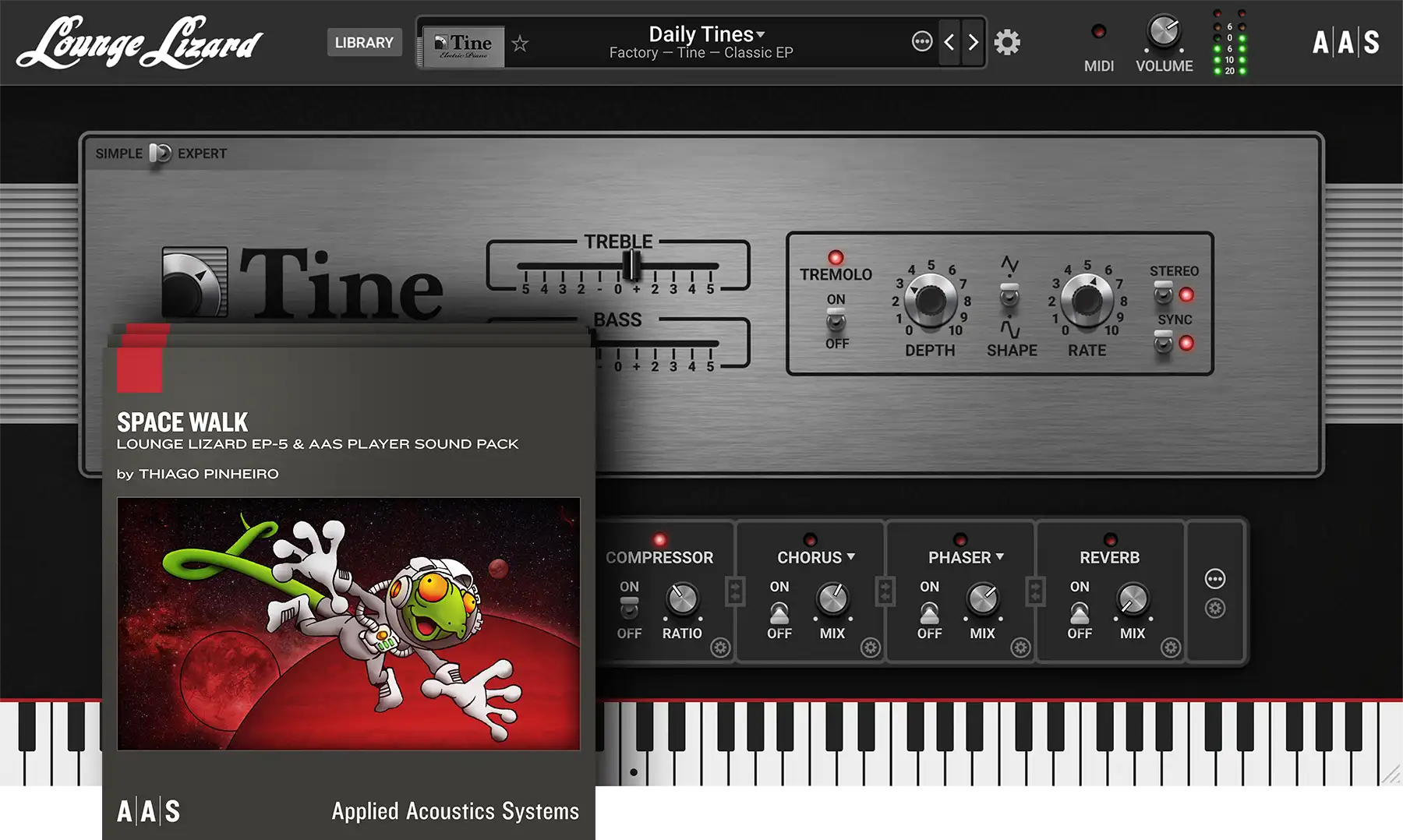
Lounge Lizard EP‑5 dual engine

Dual Engine Precision

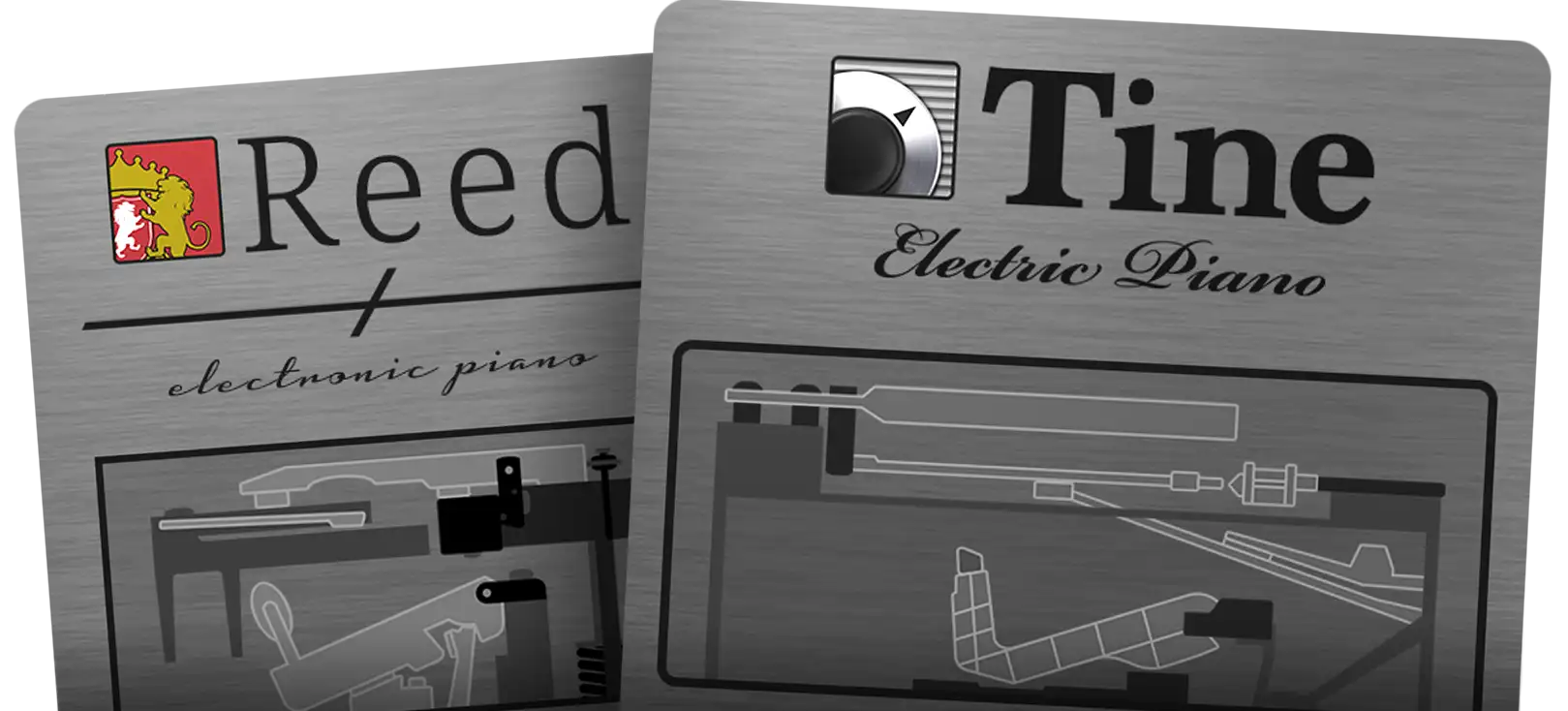
Our fully redesigned physical modeling core now features dedicated models for tine-based and reed-based pianos offers unmatched realism, warmth, and expressiveness.

See what's under the hood
Lounge Lizard EP‑5 browser

Enhanced Browsing Experience

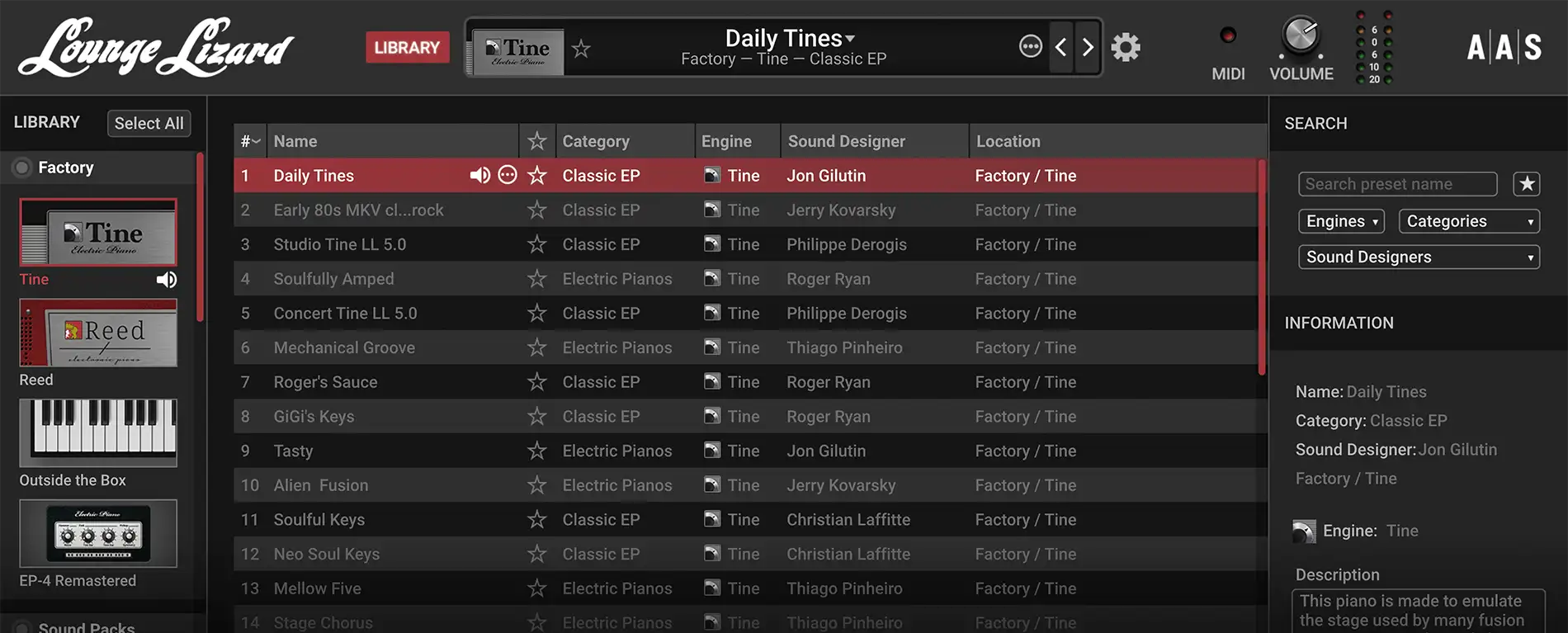
With an improved browser and an all-new search engine, navigating your Lounge Lizard library has never been quicker or more intuitive.

Lounge Lizard EP‑5 authenticity perfected

Authenticity Perfected

The completely new Lounge Lizard EP‑5 factory library introduces over 150 new piano sounds, offering deeper expression, richer tone, and unparalleled authenticity.

Lounge Lizard EP‑5 redesign

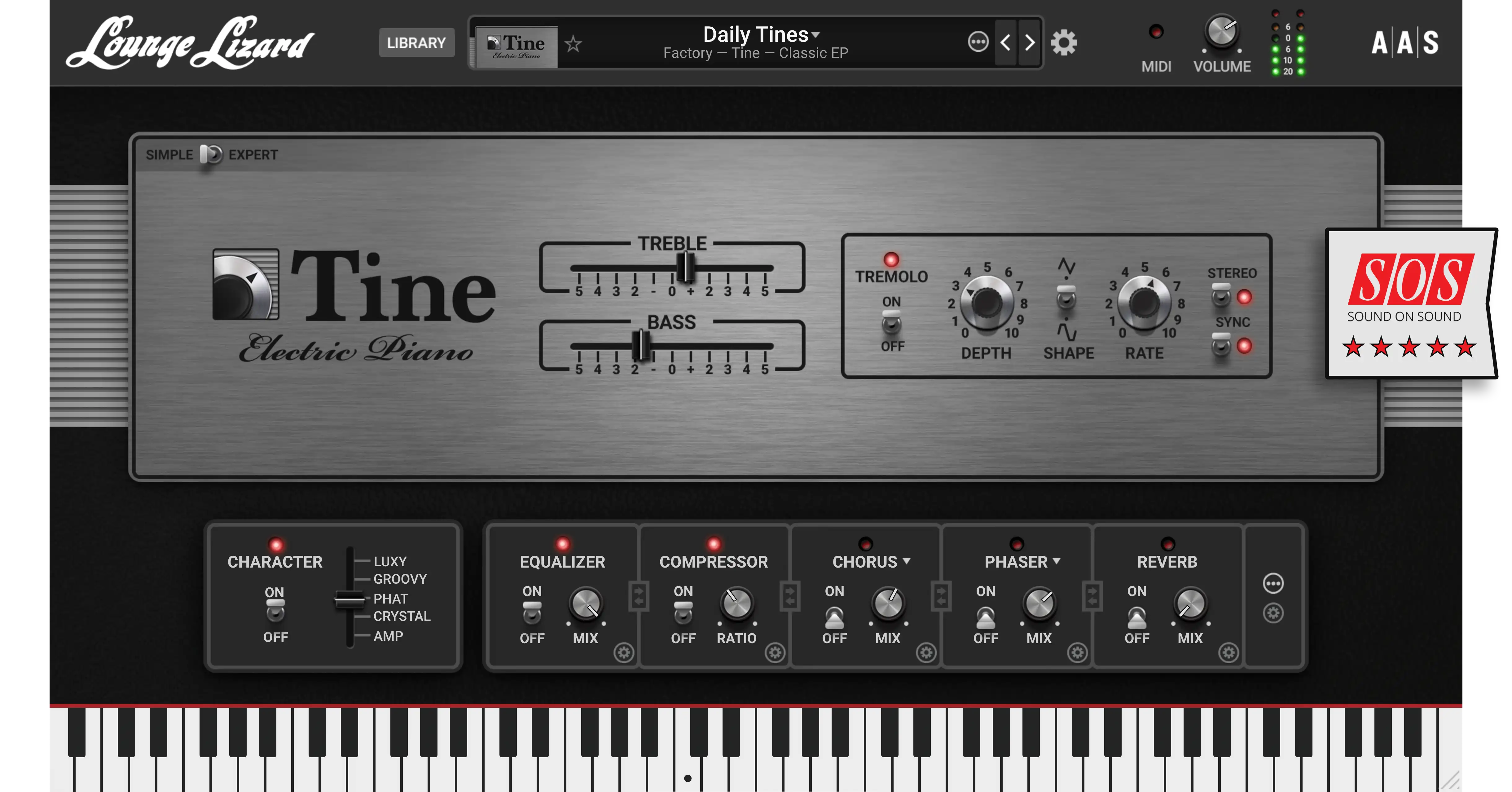
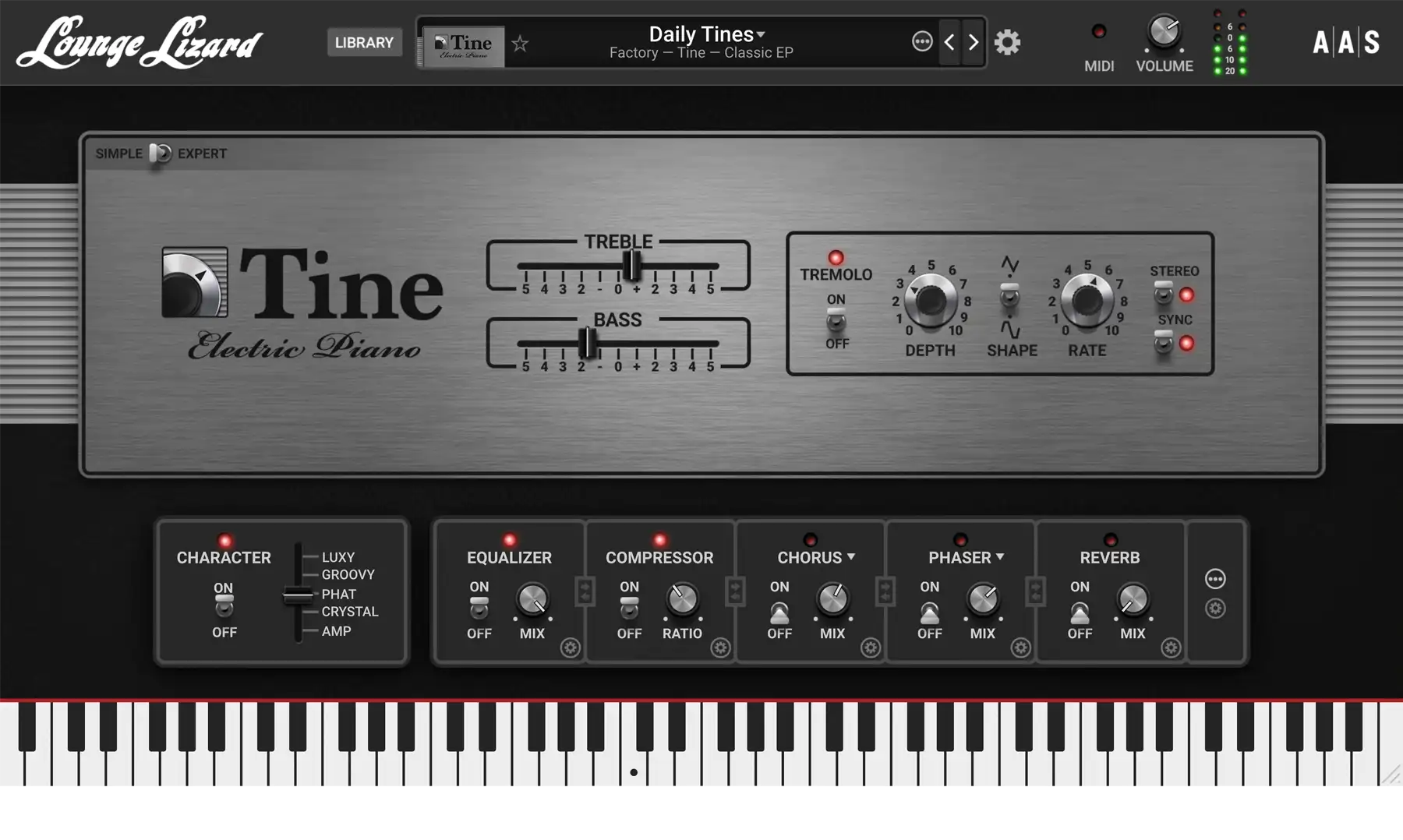
Redesigned for a True-to-Life Experience

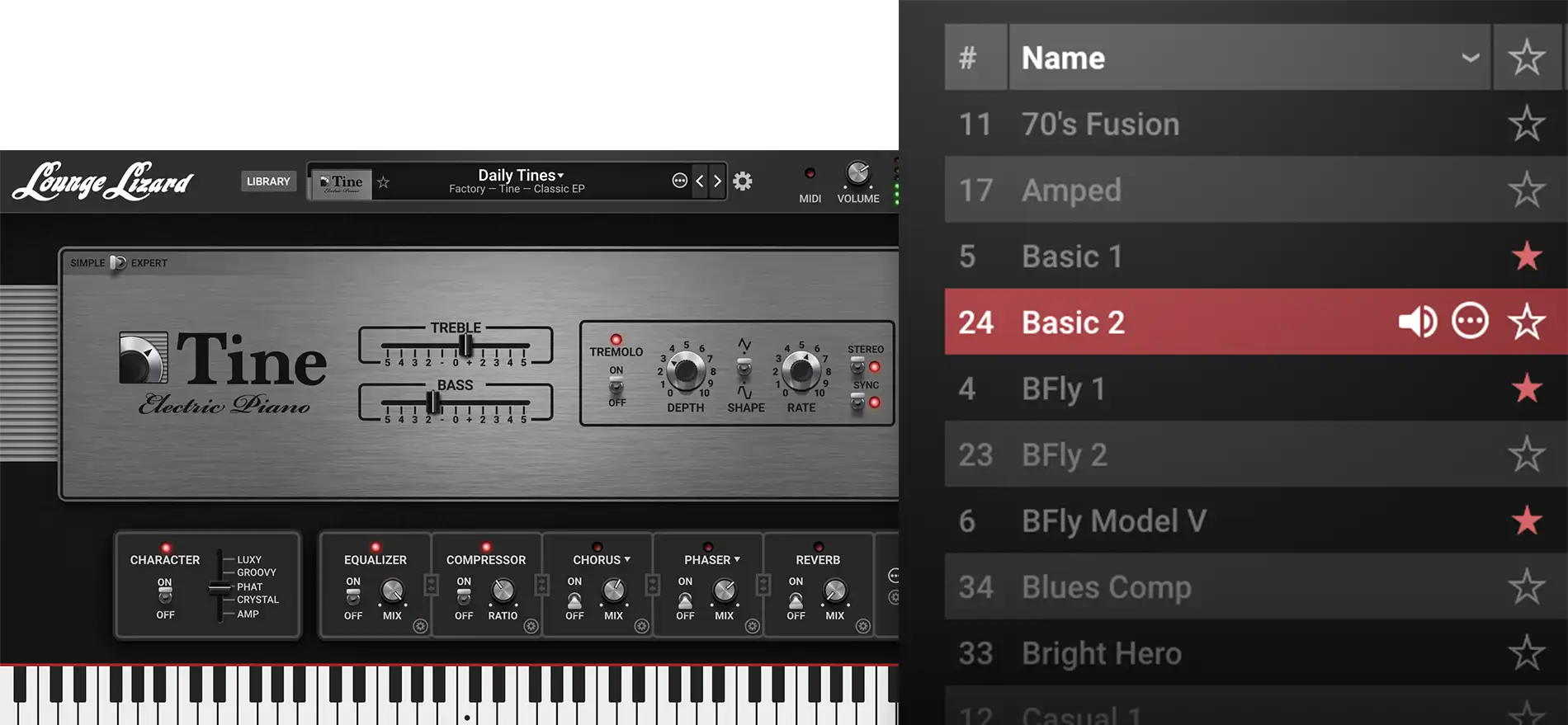
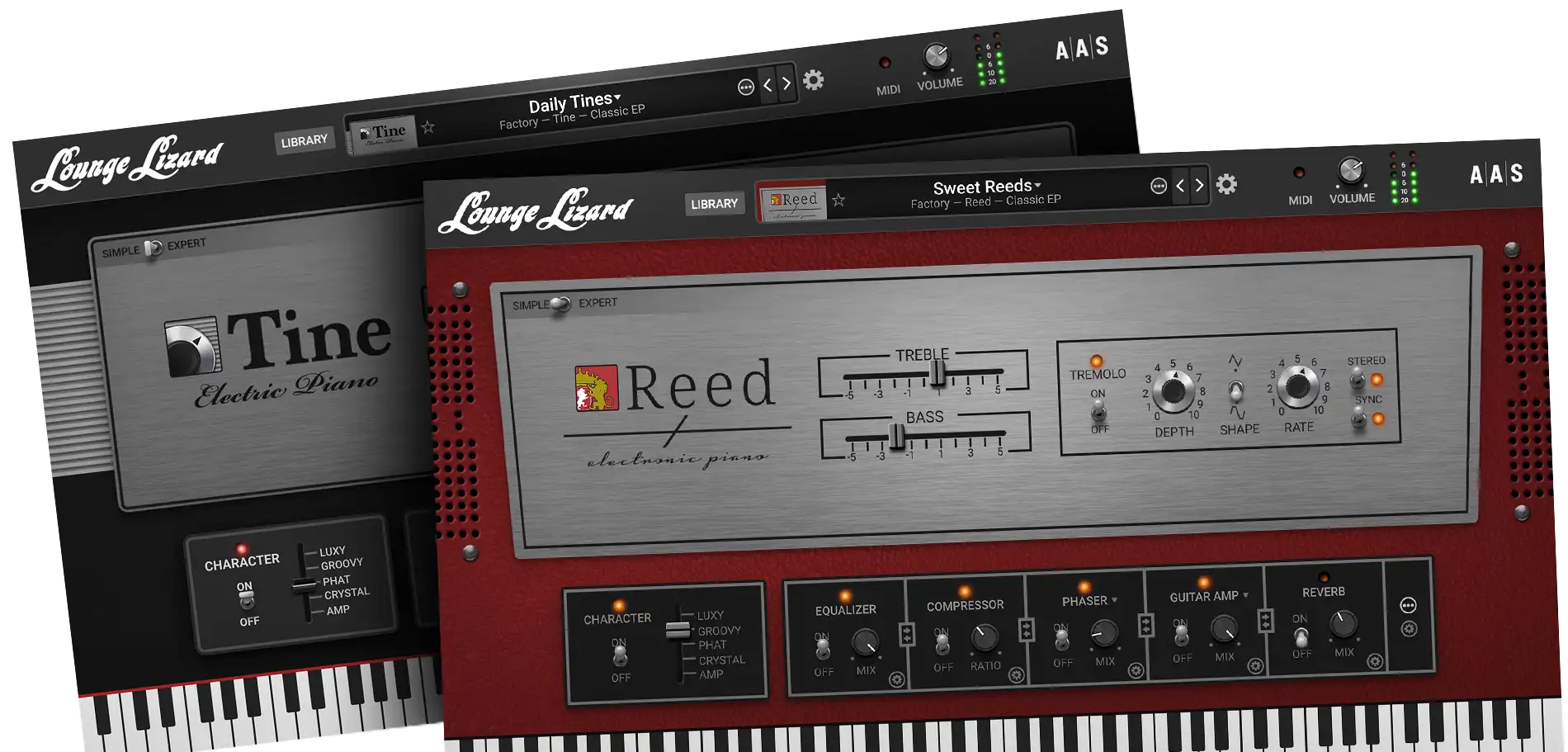
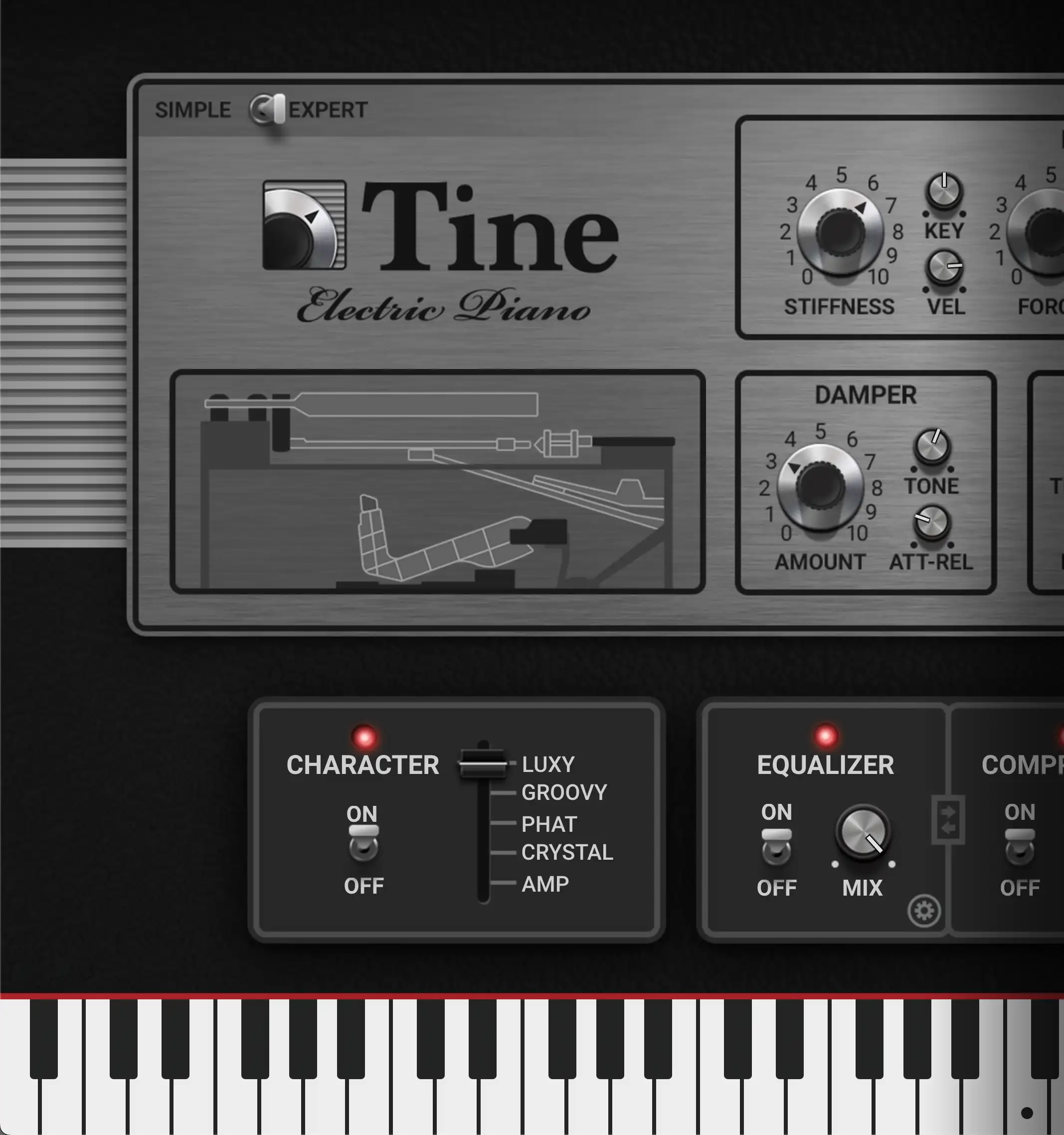
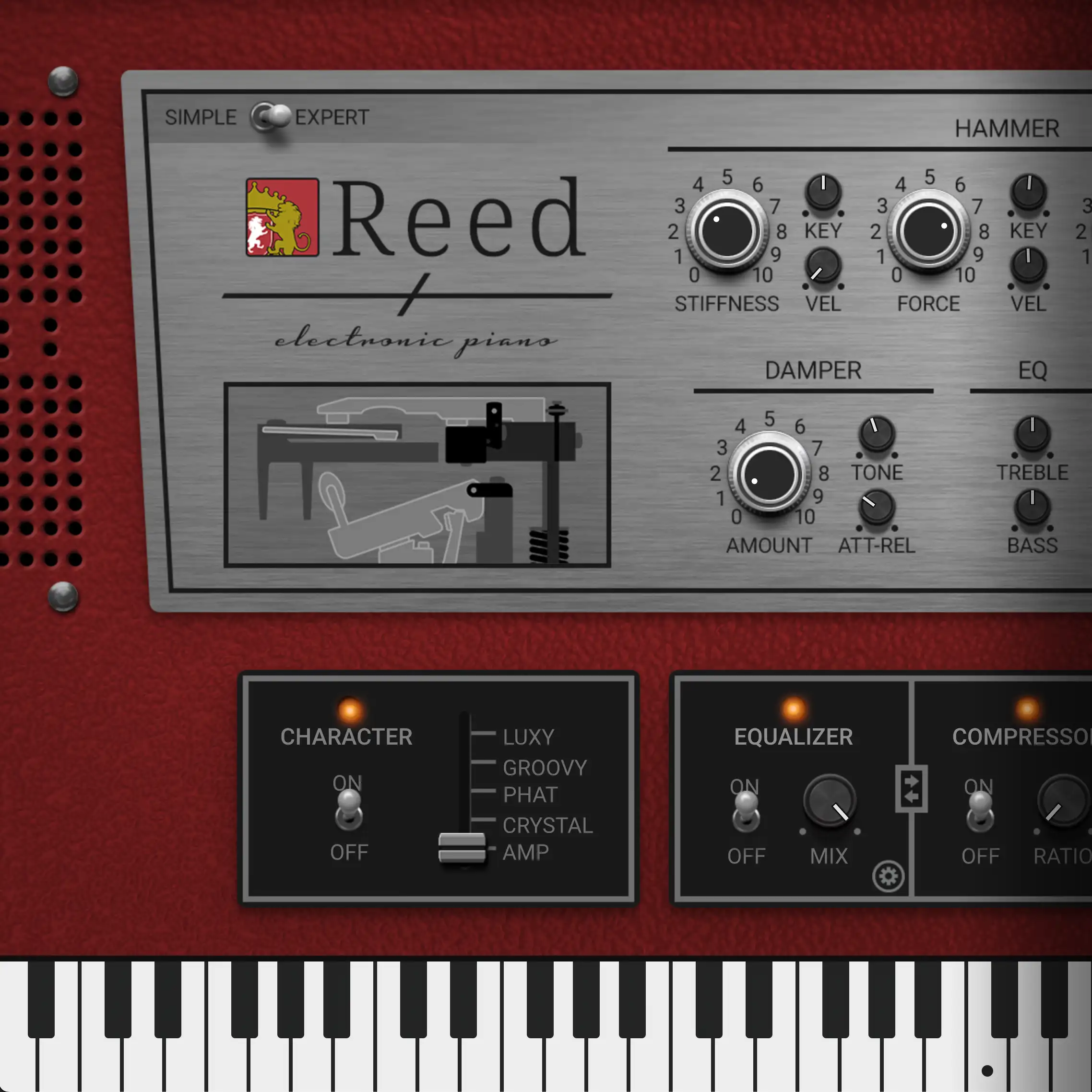
The redesigned dual-piano interface offers a simple view for a clean, straightforward experience and an advanced view for fine-tuning, delivering a more realistic, immersive feel.

Lounge Lizard EP‑5 MPE compatible

MPE Compatible

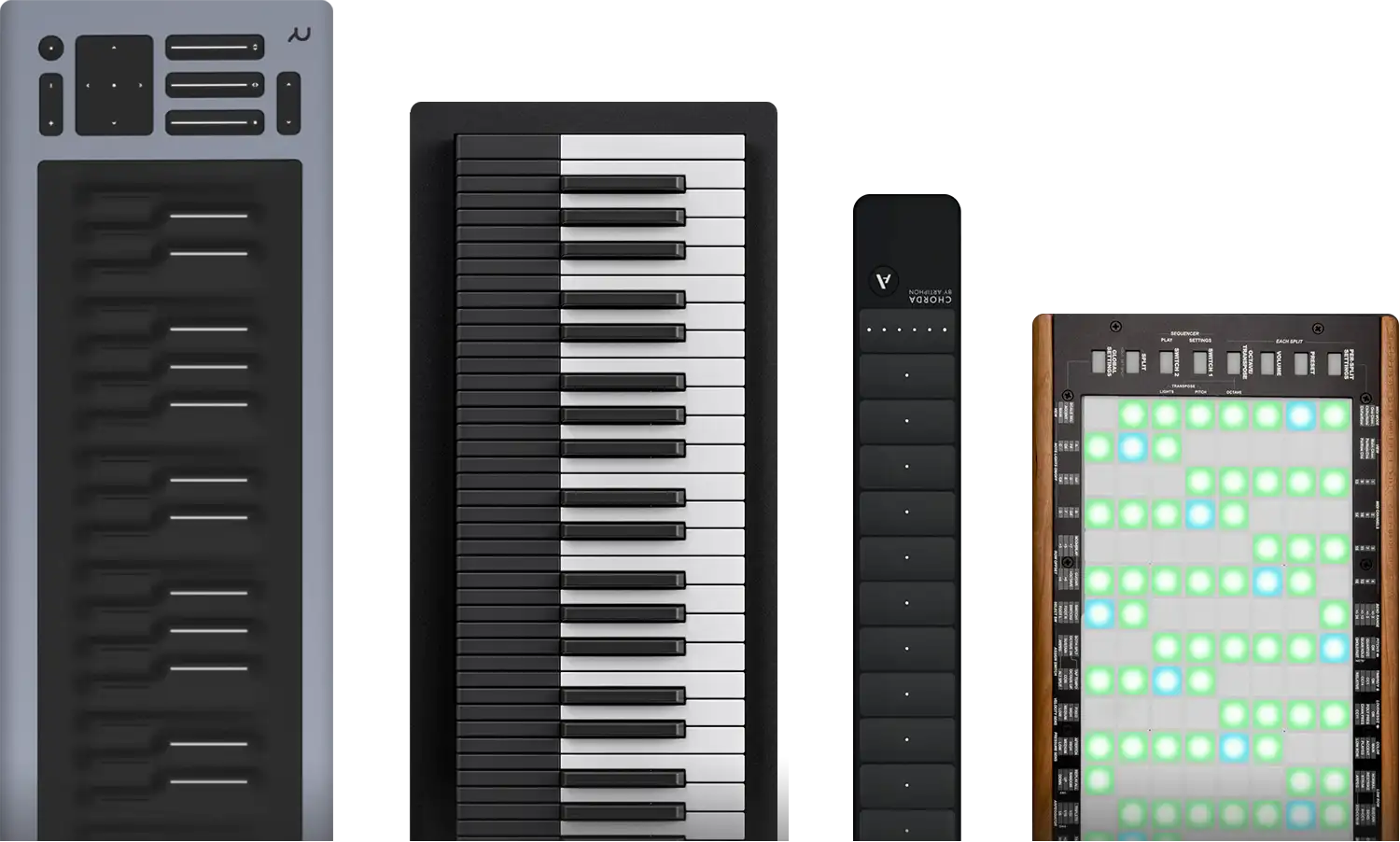
MPE introduces a new level of expressiveness and versatility, bringing a modern edge to the classic electric piano and letting your performances breathe with even greater nuance. Explore factory-designed presets for MPE controllers including the Roli Seaboard and Expressive E Osmose.

See all features

Lounge Lizard EP‑5 really captures the personality and vibe of vintage reed and tine pianos

Its interface is both simple and flexible, delivering classic tones as well as modern variations with ease. For producers, songwriters, and performers, it's a worthy upgrade that will keep this instrument a firm favourite.

Lounge Lizard EP‑5 praise
Lounge Lizard EP‑5 tine based engine
Lounge Lizard EP‑5 reed based engine

Try Lounge Lizard EP‑5 now for free

Fully functional for 15 days. Less than 82 MB to download. Seconds to install.

Hear and see Lounge Lizard EP‑5 in action

Lounge Lizard EP‑5 is an electric piano like no other—versatile, expressive, and inspiring.

See more video demos

Hear more audio demos

AUTHENTIC TONE, ACTION, AND FEEL

The feeling of playing a true classic—whether live or in the studio.

UNDER THE HOOD

Hammer, tone, tine, pickup—Lounge Lizard is built on meticulously modeled piano components. Custom pianos can be created with just a few tweaks—a process that once took hours of painstaking work on real instruments.

FROM AUTHENTIC TO CLEVERLY PRODUCED

You’ll love the pure sound of Lounge Lizard EP‑5—but the built-in effects open up a world of sonic possibilities you’ll be glad to have at your fingertips. And you’ve got plenty to choose from: compressor, equalizer, delay, distortion, phaser, chorus, flanger, wah-wah and notch filters, and reverb.

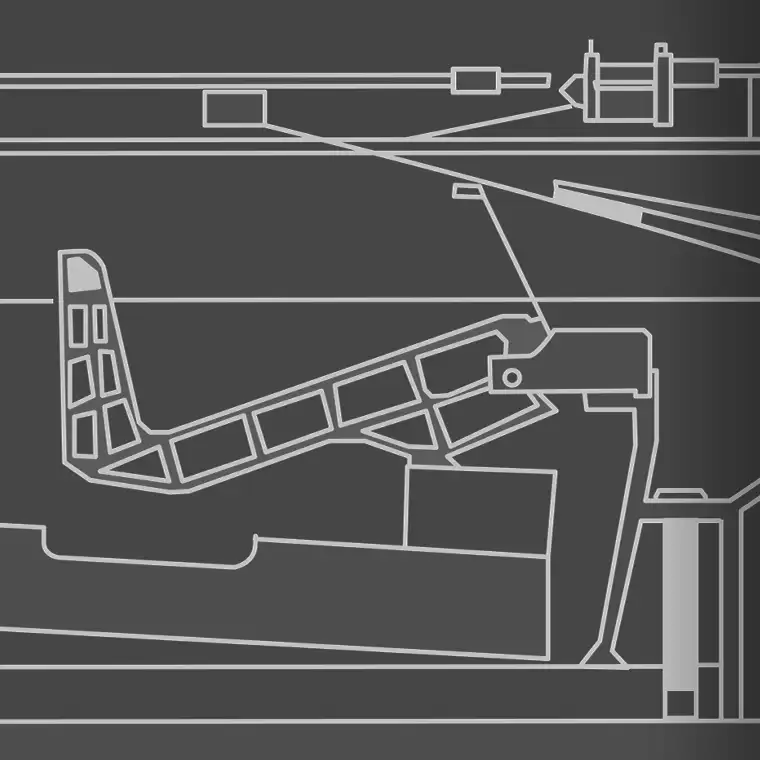
Lounge Lizard EP‑5 mechanism

ELECTRIC PIANO WORKINGS AND TUNING

Lounge Lizard’s synthesis engine is built on a detailed model of the key components found in real electric pianos—hammer, fork or reed, damper, and pickup. Each element is precisely recreated to capture the authentic tone, dynamics, and playing feel of the originals.

Read more

AN EXCEPTIONAL COLLECTION OF ELECTRIC PIANOS

Electric piano players often fall into one of two camps: tine-based or reed-based. Regardless of preference, both instruments have been immortalized in countless songs by legendary musicians. With its vast library of classic and custom tones, its authentic playing feel, Lounge Lizard delivers a truly inspiring electric piano experience.

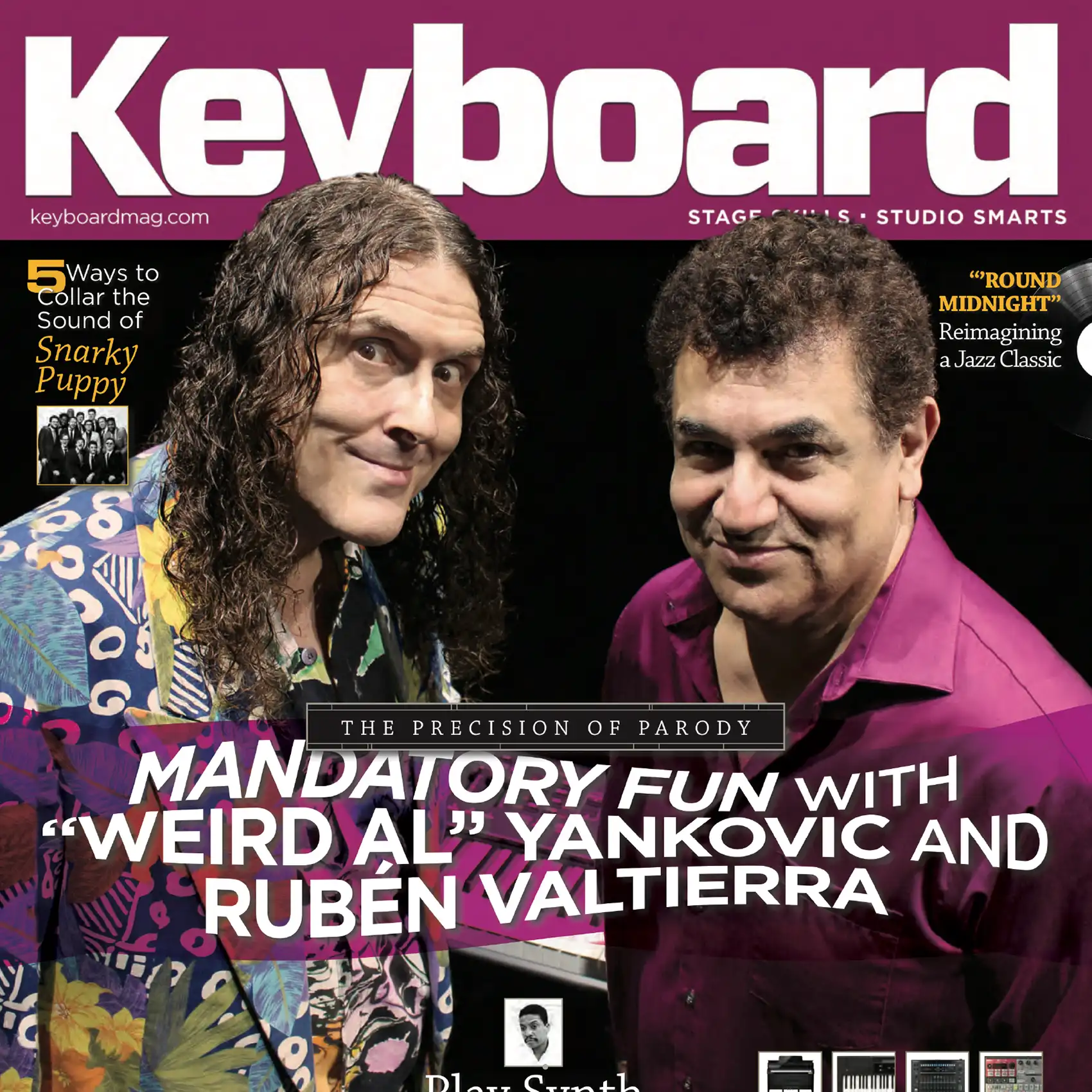
We love you guys! Thank you again and again!

The legend and his keyboard director are touring the world with the help of Applied Acoustics Systems and Lounge Lizard, our favorite plug-in. We love you guys! Thank you again and again!

Lounge Lizard EP‑5 Weird Al Yankovic praise

Explore all Lounge Lizard EP‑5 features

It is highly unusual to encounter an essay topic structured as a filename: . At first glance, this appears to be a corrupted executable file, a digital artifact riddled with hyphens, duplicate version numbers, and a promise to repair “garbled menu text.” However, beneath this technical veneer lies a rich metaphor for the human struggle with broken systems, the illusion of simple digital fixes, and the cyclical nature of troubleshooting. The Garbled Interface: A Symptom of Deeper Decay The phrase “garbled menu text” evokes a familiar frustration: you open a program, and instead of clear commands like “File,” “Edit,” or “View,” you see meaningless symbols—squares, slashes, or random Unicode characters. On the surface, this is a font rendering issue, a missing language pack, or a registry error. But metaphorically, garbled text represents any moment in life where communication fails. It is the misheard conversation, the poorly translated instruction manual, or the inner monologue that no longer makes sense. We all encounter “garbled menus” in our personal interfaces with work, relationships, and society.

The decision to run “Fix-garbled-menu-text -2- -2-.exe” is a parable about trust in unknown solutions. We download it from a random website because we are desperate to read our menu. We ignore the warning signs—the double hyphens, the duplicate numbers, the lack of a digital signature—because the immediate pain of “garbled text” outweighs the abstract risk of malware. In our careers and personal lives, we often accept similarly dubious quick fixes, ignoring red flags because the current confusion is unbearable. Ultimately, the essay about this strange filename is not about computers but about clarity. “Fix-garbled-menu-text -2- -2-.exe” is a ghost: a promise of order from a source that cannot spell its own name. The real solution to garbled menu text is rarely a mysterious executable. It is methodical troubleshooting: checking system settings, restoring default fonts, verifying file integrity, or reinstalling the application cleanly.

The filename promises a fix. Yet, the very name of the fixer is broken. “Fix-garbled-menu-text -2- -2-.exe” is not clean; it contains redundant spaces, double dashes, and the repetition of “-2-” twice. This suggests that the solution itself is corrupted. In the digital world, downloading an executable with such a chaotic name is a classic sign of malware or shareware from an untrustworthy forum. We are tempted to run it because the problem is annoying, but the cure may be worse than the disease. Human beings love the “.exe” solution—a single click that promises to resolve a complex problem. We crave the magic bullet: one pill for all pain, one book for all wisdom, one software patch for a lifetime of bugs. However, garbled menu text is rarely caused by one error. It could stem from a corrupted system font, a mismatched encoding standard (ASCII vs. UTF-8), a damaged user profile, or even a failing hard drive sector. Running a mysterious “fix” file might delete critical registry keys, introduce a virus, or simply change the text from garbled to missing.

The repetition of “-2- -2-” hints at versioning hell. Was this the second attempt to fix the fix? Did the developer label it “-2” and then accidentally append another “-2-” in a panic? This is the reality of software maintenance: fixes create new bugs, patches require patches, and the original problem often remains. In life, too, our attempts to solve a problem—like overworking to fix financial stress—often generate secondary problems like burnout or broken relationships. What happens if you double-click this file? In a best-case scenario, it might actually repair the font cache, reset the language settings, and display the menu correctly. But more likely, nothing happens, or a command prompt flashes for a millisecond and vanishes. Or worse, your entire system slows down, pop-up ads appear, and your browser homepage changes to a fake search engine.

In life, as in software, when your menu becomes garbled—when your options no longer make sense and your directions are unreadable—do not download a shady fix. Step back. Reset your preferences. Ask for a clean reinstall of your priorities. And never trust an executable that cannot even get its own version number right. The path to clarity is not a double-click; it is a careful, deliberate process of decoding the chaos, one character at a time.
Lounge Lizard EP‑5 +packs offer

Lounge Lizard EP‑5 +PACKS

Synth and Sound Packs Bundle

$249$119

Take it further

Pick up these three Sound Pack Series titles separately or as part of the bundle. With 330+ presets on tap, this collection secures an endless source of inspiration.

Also, make sure to visit the custom offers page of your account to complete your collection.

New

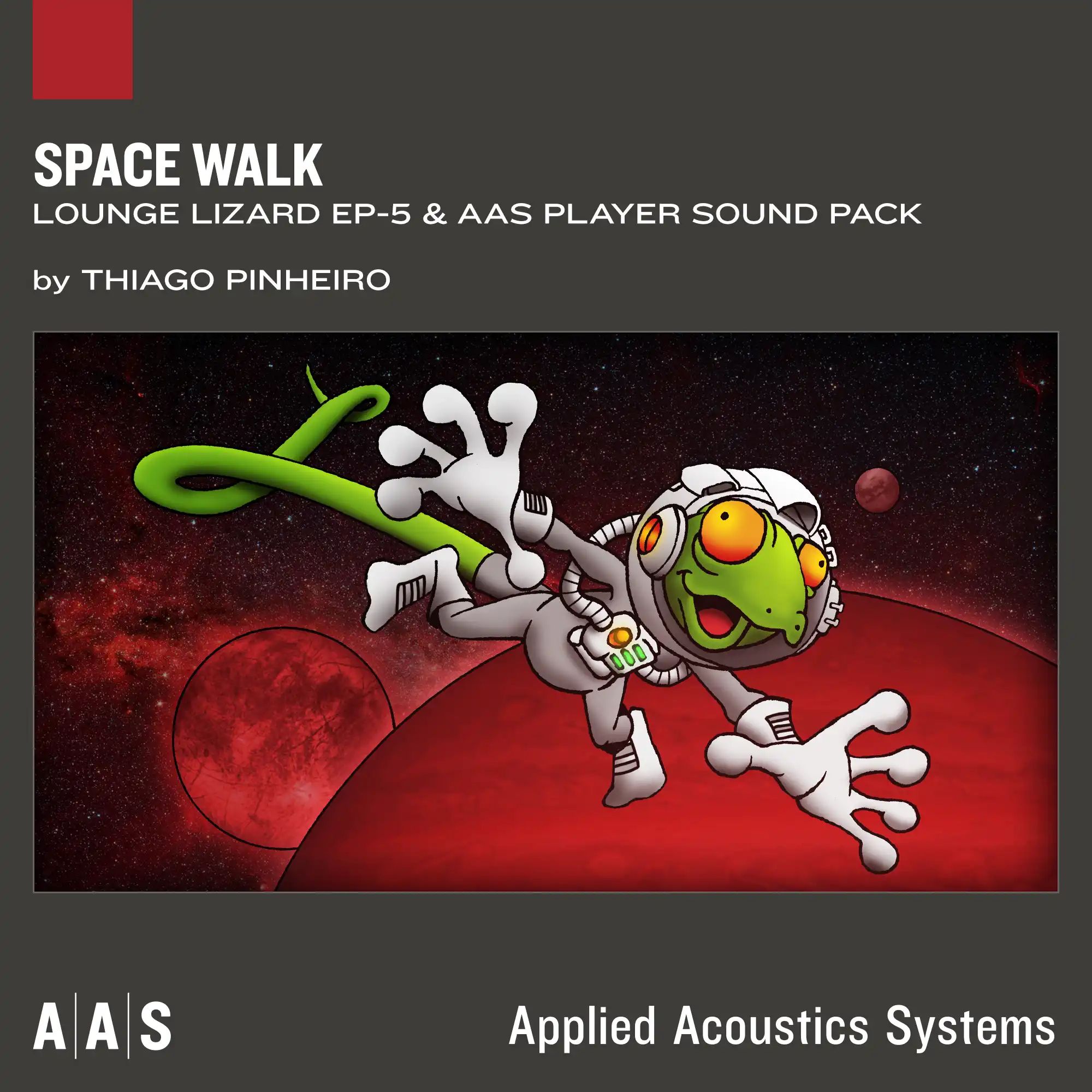
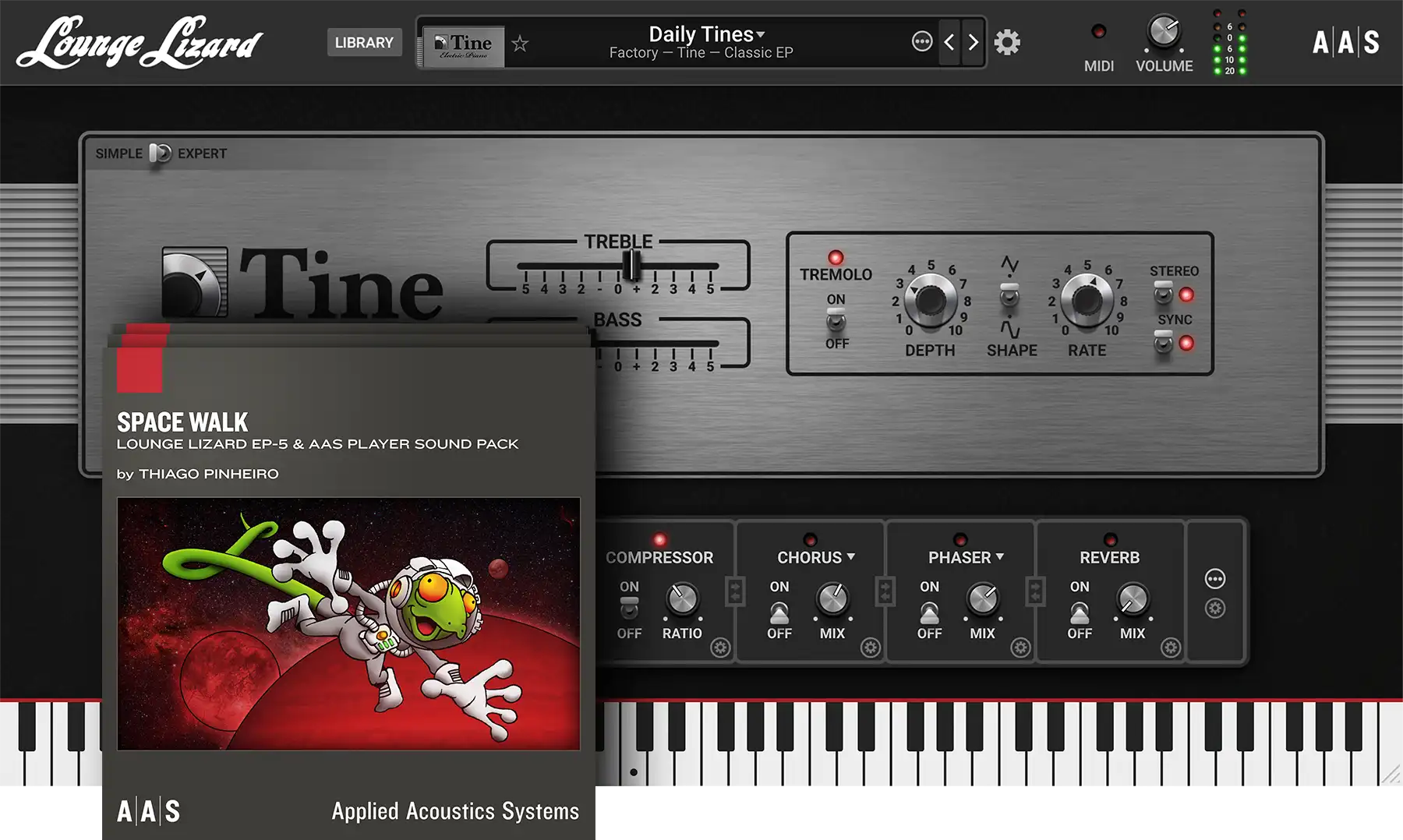
Space Walk—Thiago Pinheiro sound pack for Lounge Lizard EP-5

Space Walk

by Thiago Pinheiro

$39$19
Details
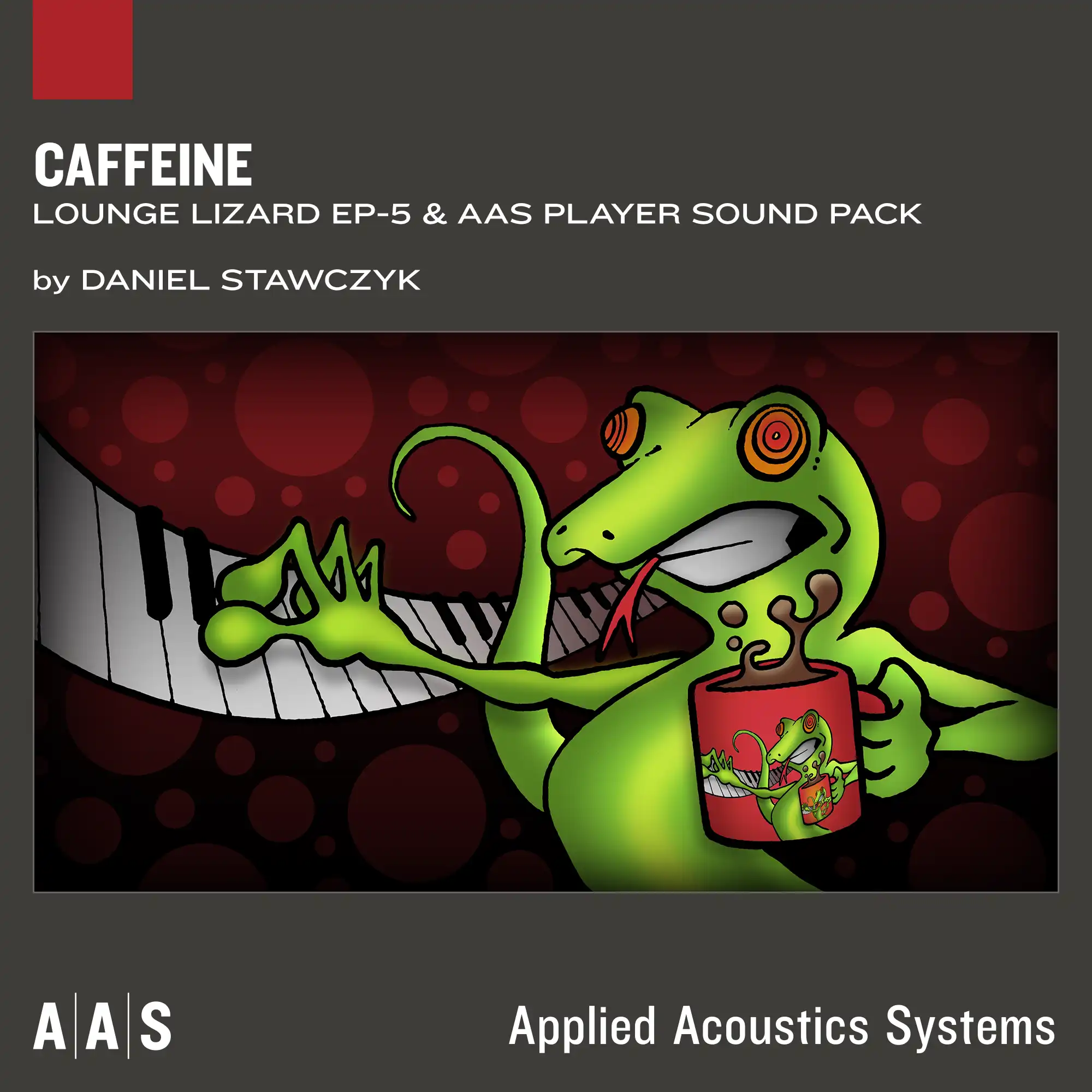
Caffeine—Daniel Stawczyk sound pack for Lounge Lizard EP-5

Caffeine

by Daniel Stawczyk

$39$19
Details
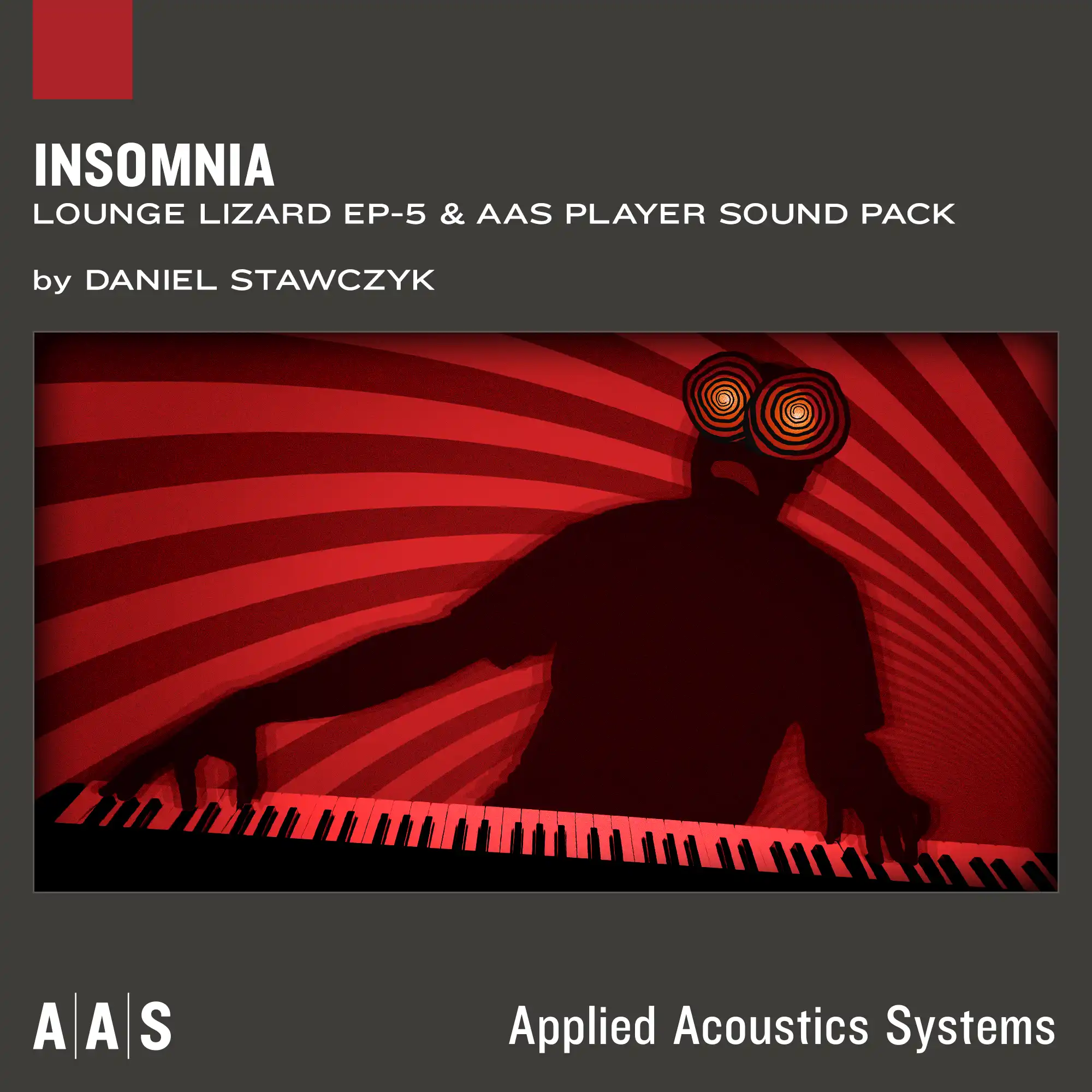
Insomnia—Daniel Stawczyk sound pack for Lounge Lizard EP-5

Insomnia

by Daniel Stawczyk

$39$9
Details

Neat features

  • Standalone operation for quick jams and experimentations
  • Real-time control over any parameters via your MIDI controller knobs, faders, and switches
  • Host tempo synchronization for effects
  • Relaxed editing with unlimited undo/redo capability
  • Scala scale file format for microtonal music making

The benefits of physical modeling

  • Sound manipulation at the source core
  • Presets load in a flash
  • Super smooth dynamics—no velocity layers!
  • Small memory footprint—less than 256 MB of RAM per instance
  • Installs in less than a minute

Tutorials

Learn more on how to use Lounge Lizard EP‑5. A complete video series of tutorials on Lounge Lizard EP‑5. Learn all about the ergonomics, the modules, and the sound of our electric piano.

  • WINDOWS
  • MACOS
  • 64-bit

  • VST2
  • VST3
  • AU
  • AAX Native
  • NKS
  • MPE
  • STANDALONE

Lounge Lizard EP‑5 is compatible with nearly all DAWs.

*The minimum system requirements mentioned above are for standalone usage. For plug-in usage, please refer to your DAW software requirements (Cakewalk, Pro Tools, Cubase, Live, Digital Performer, Logic Pro, etc.).

Sales and licensing

You still have questions about purchasing, educational sales, or licensing?

Full of resources

Find everything in one place—manual, tutorials, technical FAQ, latest installers, and version history.

Preparing your download…
This can take up to a minute.