
Grand Dad And Grand Daughter Sex Peperonity.com -BEST

Docter, P. (Director). (2009). Up [Film]. Pixar Animation Studios.

Abstract The archetype of the “Grand Dad”—a figure characterized by wisdom, gentle authority, and weathered experience—rarely appears at the center of romantic storylines. Yet when these figures intersect with romance, they generate powerful narrative friction. This paper examines three distinct romantic frameworks involving a “Grand Dad” figure: the tragic late-life romance, the controversial intergenerational age-gap relationship, and the metaphorical “grandfatherly” romance where care replaces passion. By analyzing examples from literature and film ( Up , The Notebook , Lost in Translation ), this paper argues that the “Grand Dad” archetype disrupts traditional romantic scripts, forcing audiences to confront themes of mortality, care ethics, and the redefinition of love beyond youth-centric norms. Introduction: The Grand Dad as Narrative Anomaly In mainstream romantic storytelling, protagonists are typically young or middle-aged, their arcs focused on growth, reproduction, and future-building. The “Grand Dad”—a male figure over sixty, often retired, physically diminished, and defined by his relationship to grandchildren—is usually relegated to comic relief or sage mentor. However, when a romantic storyline attaches to such a figure, it shifts the genre’s axis from potentiality to finality . Love becomes not about starting a family but about facing the end of a life. This paper explores how writers weaponize the “Grand Dad” to produce three distinct romantic effects: tragic poignancy, ethical provocation, and expansive definitions of intimacy. Framework 1: The Late-Life Grand Romance – Love as Memento Mori The most conventional romantic use of the Grand Dad is the late-life romance, where both partners are elderly. The quintessential example is Pixar’s Up (2009). Carl Fredricksen, a widowed grandfather figure, embarks on an adventure but the film’s emotional core is his montage with Ellie. Here, romance is stripped of sexual urgency and procreation; instead, it is built on shared memory, deferred dreams, and daily companionship. When Carl reads Ellie’s “Thanks for the adventure” note, the audience recognizes that romantic love for a Grand Dad is retrospective—its power lies in having loved , not in loving anew. This framework uses the Grand Dad to teach audiences that romance can be a eulogy as much as a promise.

Similarly, in Nicholas Sparks’ The Notebook (2004), the elderly Duke (Noah) reads their love story to his wife Allie, who suffers from dementia. Noah embodies the Grand Dad archetype—patient, physically fragile, but emotionally resolute. The romance here is not the youthful swimming-and-dancing flashbacks, but the daily, unglamorous act of re-telling. The narrative suggests that true romance for a Grand Dad is witnessing —staying present when the beloved cannot reciprocate. This subverts the typical romantic climax (union, consummation) and replaces it with a stoic, almost spiritual fidelity. A far more controversial storyline is the explicit romantic or sexual relationship between a Grand-Dad-aged man and a much younger woman (or man). Texts that attempt this must navigate audience disgust and accusations of predation. However, when successful, such narratives use the Grand Dad to interrogate what romance means outside of biological symmetry.

MOST READ

Grand Dad And Grand Daughter Sex Peperonity.com -best Link

Docter, P. (Director). (2009). Up [Film]. Pixar Animation Studios.

Abstract The archetype of the “Grand Dad”—a figure characterized by wisdom, gentle authority, and weathered experience—rarely appears at the center of romantic storylines. Yet when these figures intersect with romance, they generate powerful narrative friction. This paper examines three distinct romantic frameworks involving a “Grand Dad” figure: the tragic late-life romance, the controversial intergenerational age-gap relationship, and the metaphorical “grandfatherly” romance where care replaces passion. By analyzing examples from literature and film ( Up , The Notebook , Lost in Translation ), this paper argues that the “Grand Dad” archetype disrupts traditional romantic scripts, forcing audiences to confront themes of mortality, care ethics, and the redefinition of love beyond youth-centric norms. Introduction: The Grand Dad as Narrative Anomaly In mainstream romantic storytelling, protagonists are typically young or middle-aged, their arcs focused on growth, reproduction, and future-building. The “Grand Dad”—a male figure over sixty, often retired, physically diminished, and defined by his relationship to grandchildren—is usually relegated to comic relief or sage mentor. However, when a romantic storyline attaches to such a figure, it shifts the genre’s axis from potentiality to finality . Love becomes not about starting a family but about facing the end of a life. This paper explores how writers weaponize the “Grand Dad” to produce three distinct romantic effects: tragic poignancy, ethical provocation, and expansive definitions of intimacy. Framework 1: The Late-Life Grand Romance – Love as Memento Mori The most conventional romantic use of the Grand Dad is the late-life romance, where both partners are elderly. The quintessential example is Pixar’s Up (2009). Carl Fredricksen, a widowed grandfather figure, embarks on an adventure but the film’s emotional core is his montage with Ellie. Here, romance is stripped of sexual urgency and procreation; instead, it is built on shared memory, deferred dreams, and daily companionship. When Carl reads Ellie’s “Thanks for the adventure” note, the audience recognizes that romantic love for a Grand Dad is retrospective—its power lies in having loved , not in loving anew. This framework uses the Grand Dad to teach audiences that romance can be a eulogy as much as a promise. Grand Dad And Grand Daughter Sex Peperonity.com -BEST

Similarly, in Nicholas Sparks’ The Notebook (2004), the elderly Duke (Noah) reads their love story to his wife Allie, who suffers from dementia. Noah embodies the Grand Dad archetype—patient, physically fragile, but emotionally resolute. The romance here is not the youthful swimming-and-dancing flashbacks, but the daily, unglamorous act of re-telling. The narrative suggests that true romance for a Grand Dad is witnessing —staying present when the beloved cannot reciprocate. This subverts the typical romantic climax (union, consummation) and replaces it with a stoic, almost spiritual fidelity. A far more controversial storyline is the explicit romantic or sexual relationship between a Grand-Dad-aged man and a much younger woman (or man). Texts that attempt this must navigate audience disgust and accusations of predation. However, when successful, such narratives use the Grand Dad to interrogate what romance means outside of biological symmetry. Docter, P

Life & Culture

27 Jul 2023

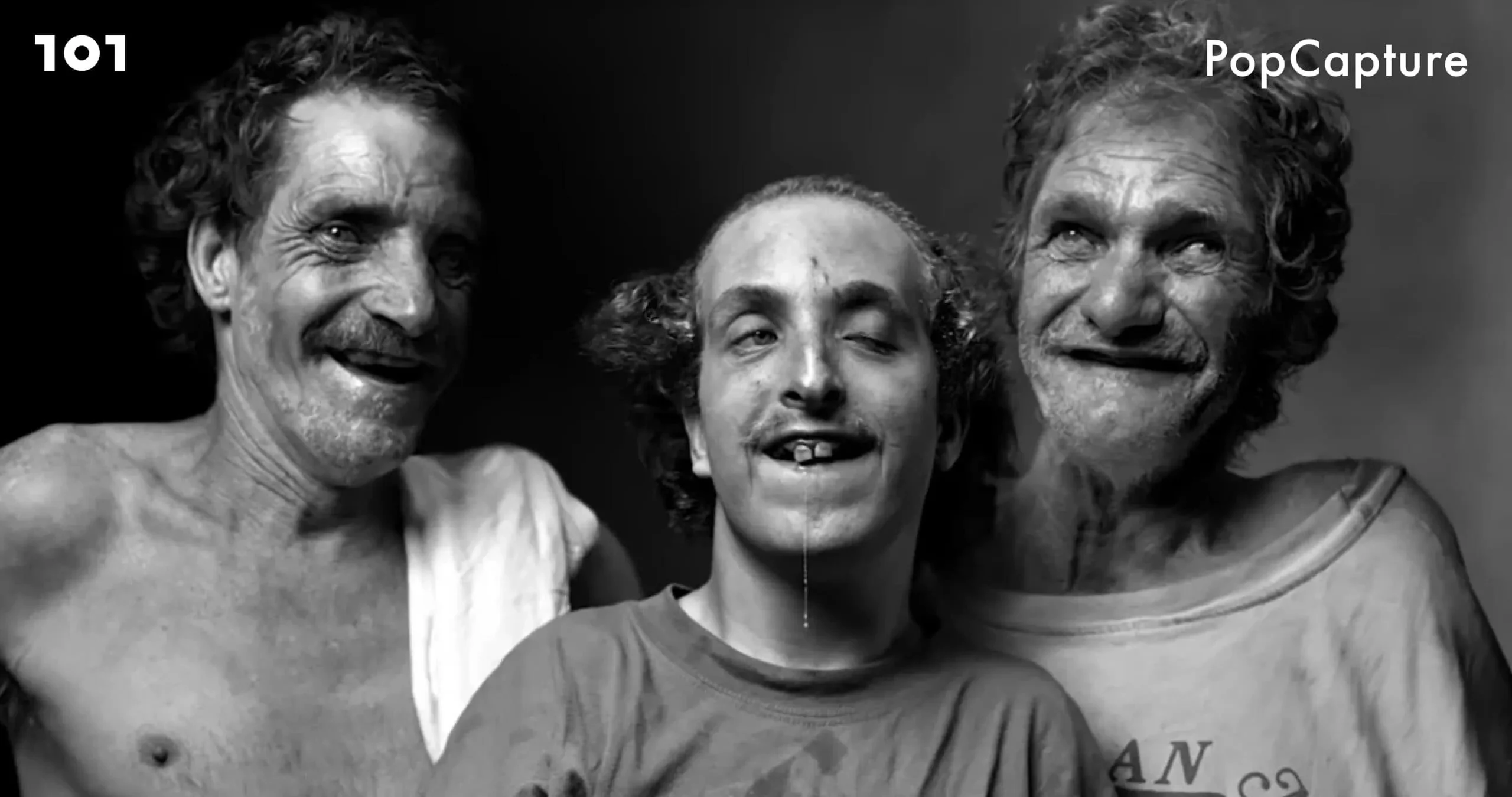
วิตเทเกอร์ ครอบครัวที่ ‘เลือดชิด’ ที่สุดในอเมริกา

เสียงเห่าขรม เพิงเล็กๆ ริมถนนคดเคี้ยว และคนในครอบครัวที่ถูกเรียกว่า ‘เลือดชิด’ ที่สุดในสหรัฐอเมริกา

เรื่องราวของบ้านวิตเทเกอร์ถูกเผยแพร่ครั้งแรกทางยูทูบเมื่อปี 2020 โดยช่างภาพที่ไปพบพวกเขาโดยบังเอิญระหว่างเดินทาง ซึ่งด้านหนึ่งนำสายตาจากคนทั้งเมืองมาสู่ครอบครัวเล็กๆ ครอบครัวนี้

Grand Dad And Grand Daughter Sex Peperonity.com -BEST

พิมพ์ชนก พุกสุข

27 Jul 2023

Life & Culture

26 Mar 2021

ผี เรื่องผี อดีต ความทรงจำและการหลอกหลอนในโรงเรียนผีดุ

เมื่อเรื่องผีๆ ไม่ได้มีแค่ความสยอง! อาทิตย์ ศรีจันทร์ วิเคราะห์พลวัตของเรื่องผีในสังคมไทย ผ่านเรื่องสั้นใน ‘โรงเรียนผีดุ’ วรรณกรรมสยองขวัญเล่มใหม่ของ นทธี ศศิวิมล

Grand Dad And Grand Daughter Sex Peperonity.com -BEST

อาทิตย์ ศรีจันทร์

26 Mar 2021