






















Please click here for ticket info

FREE TO PLAY is available now:
Watch on Steam Watch on Youtube Watch on Itunes Watch on Amazon Watch on VHX
Free to Play will be available for free on Steam March 19th, 2014!
The Free to Play Pack will also be available for purchase on Steam and the Dota 2 Store, and 25% of the sales will be distributed to the players featured in the film as well as the contributors. The Free to Play Pack will include the following:
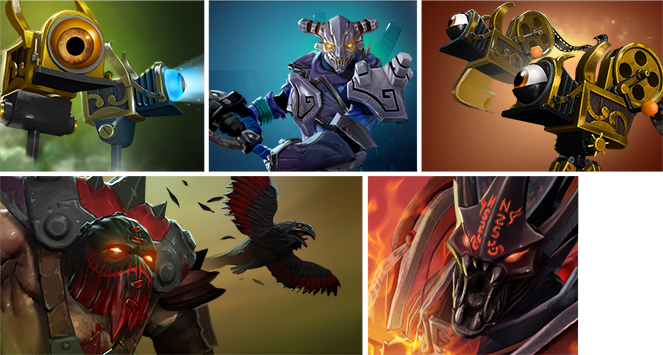
Items will be available on March 19th, 2014 at the Dota 2 Store and Steam

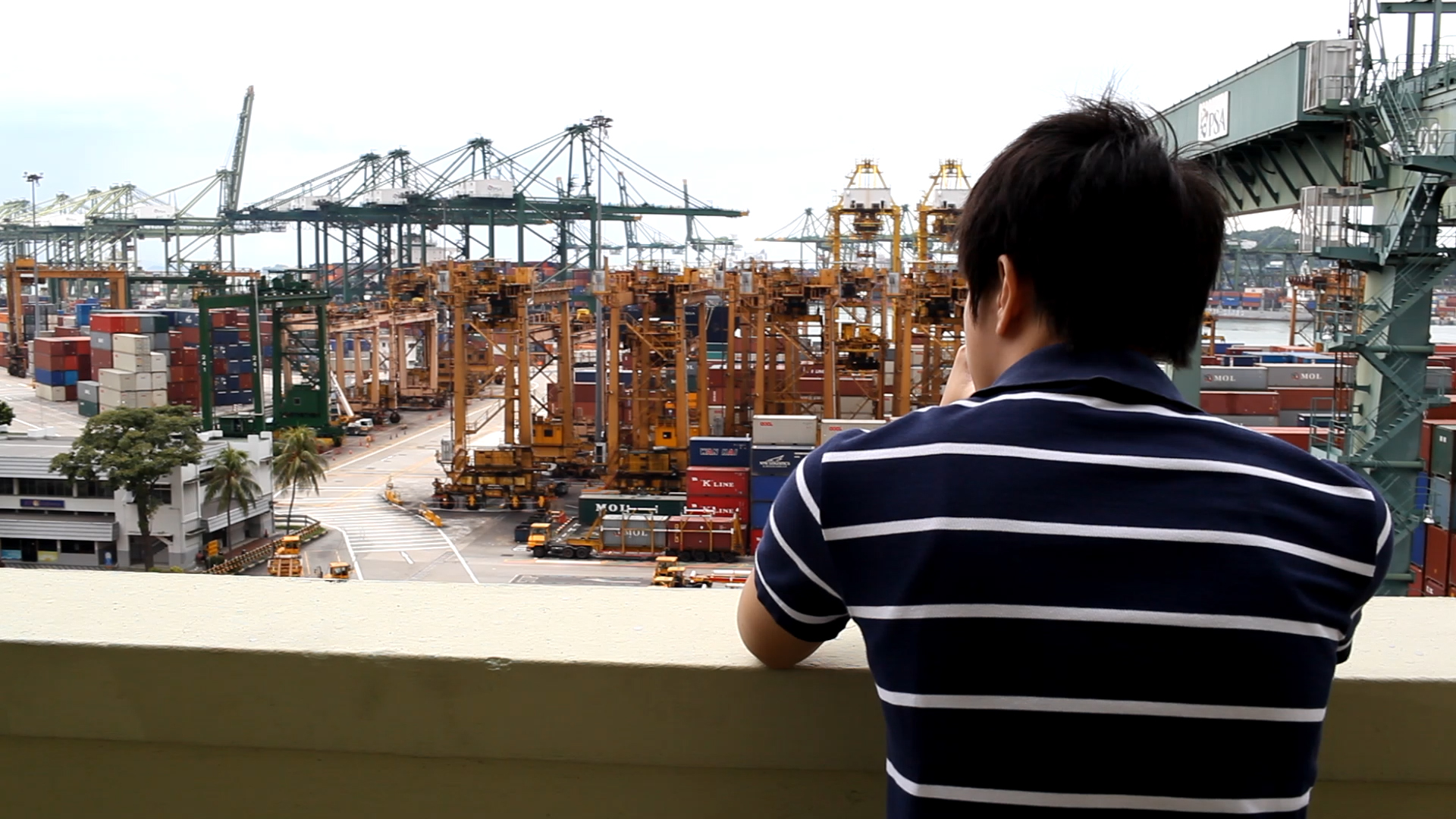
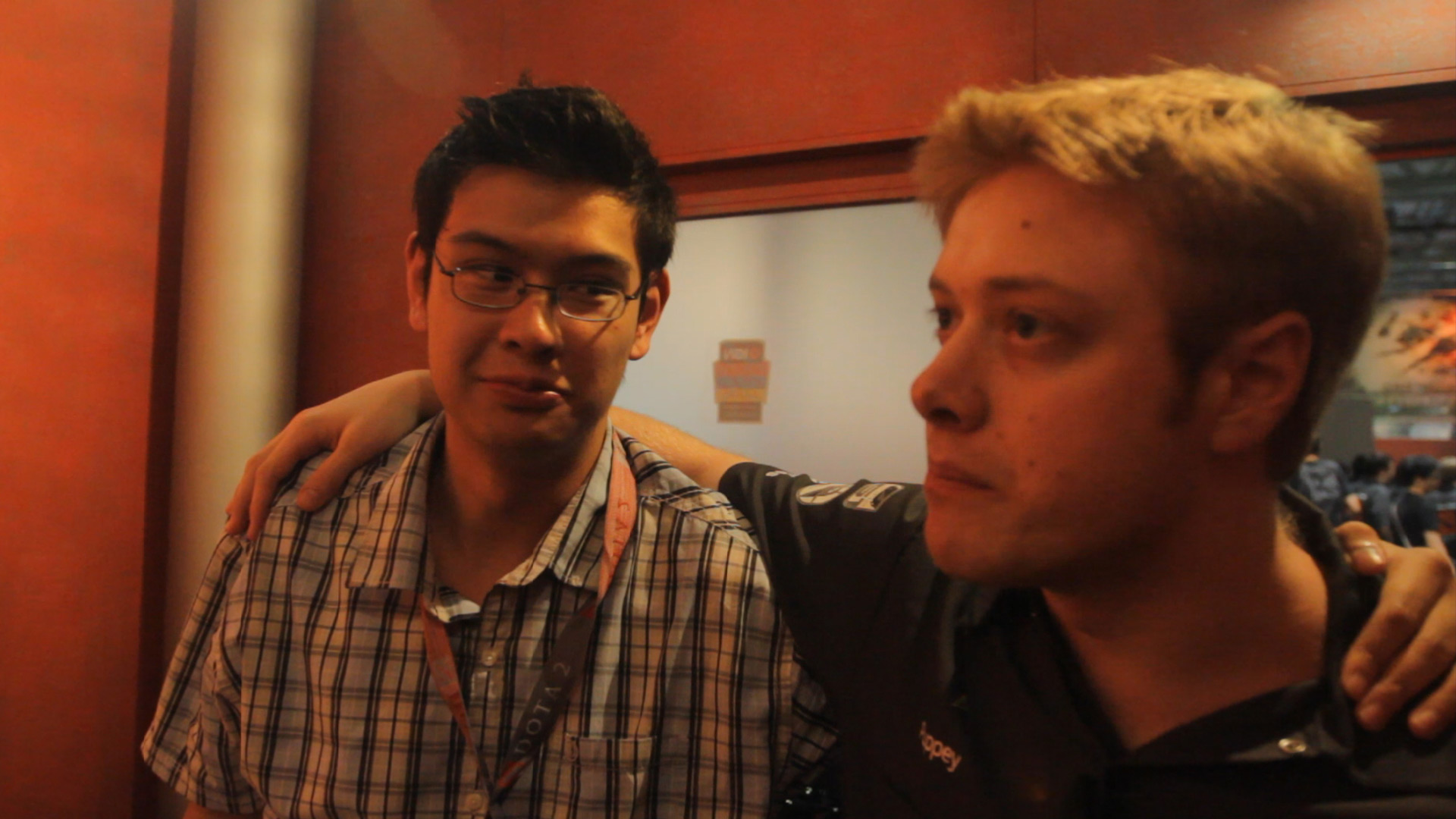
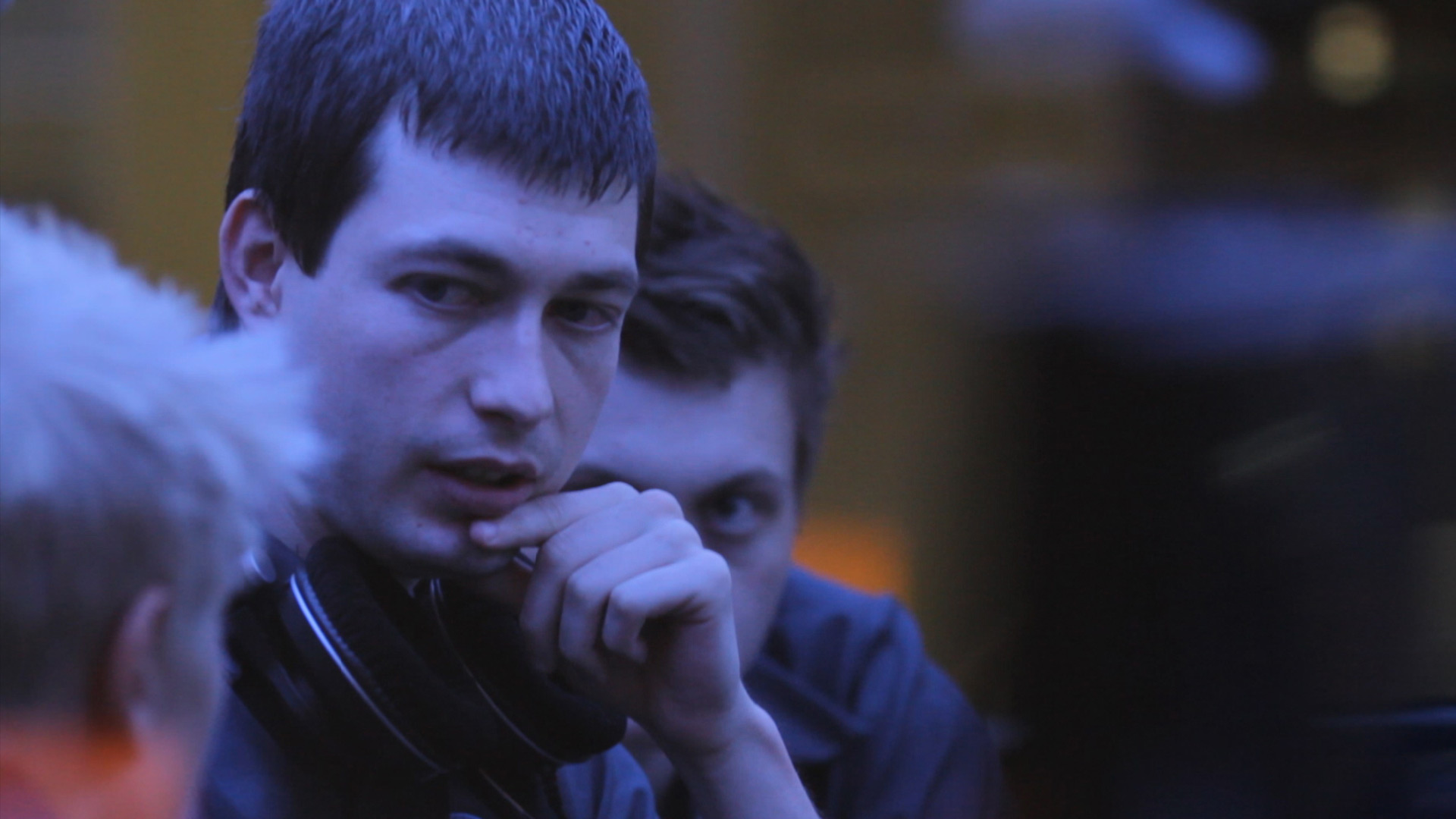
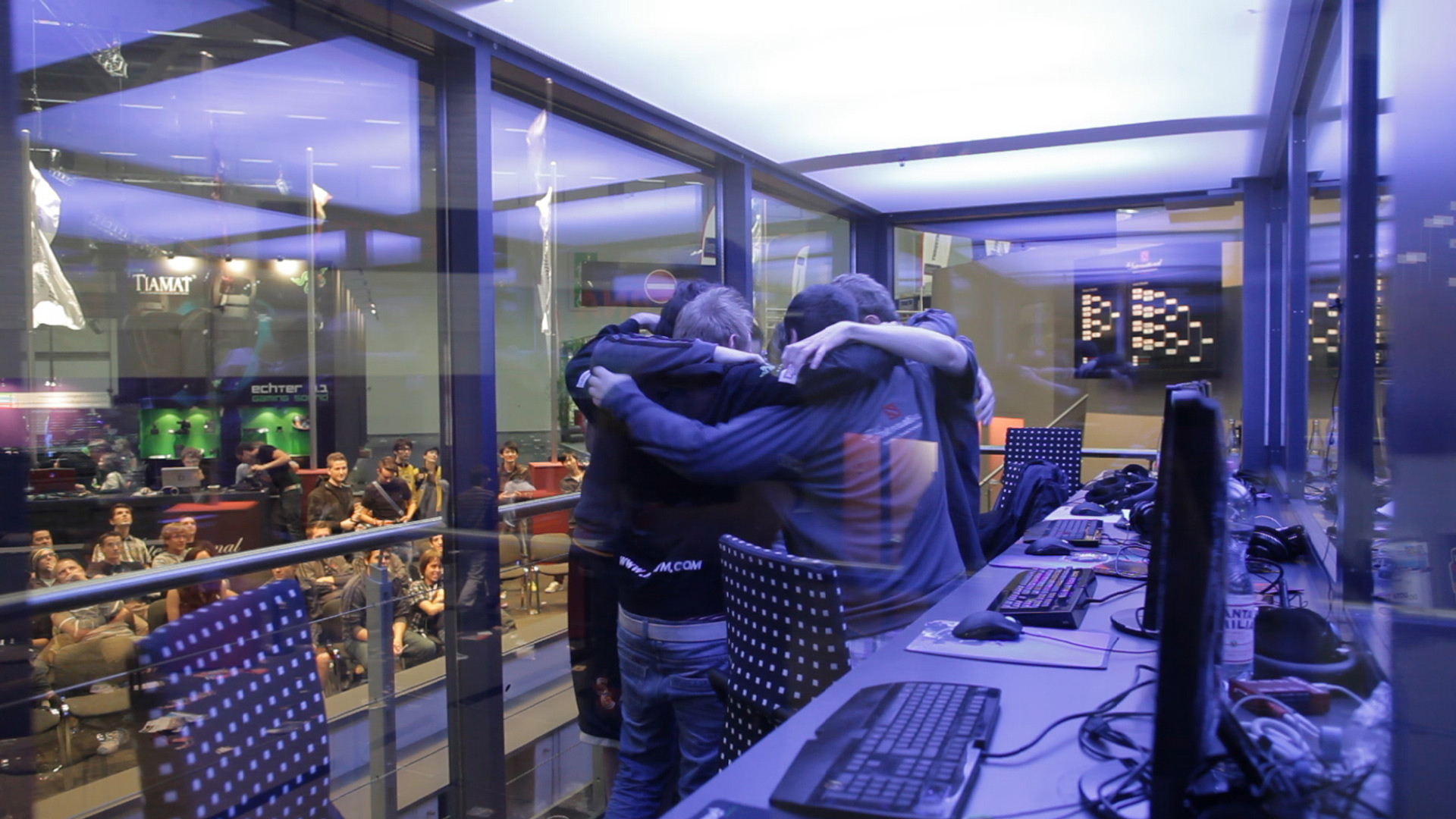
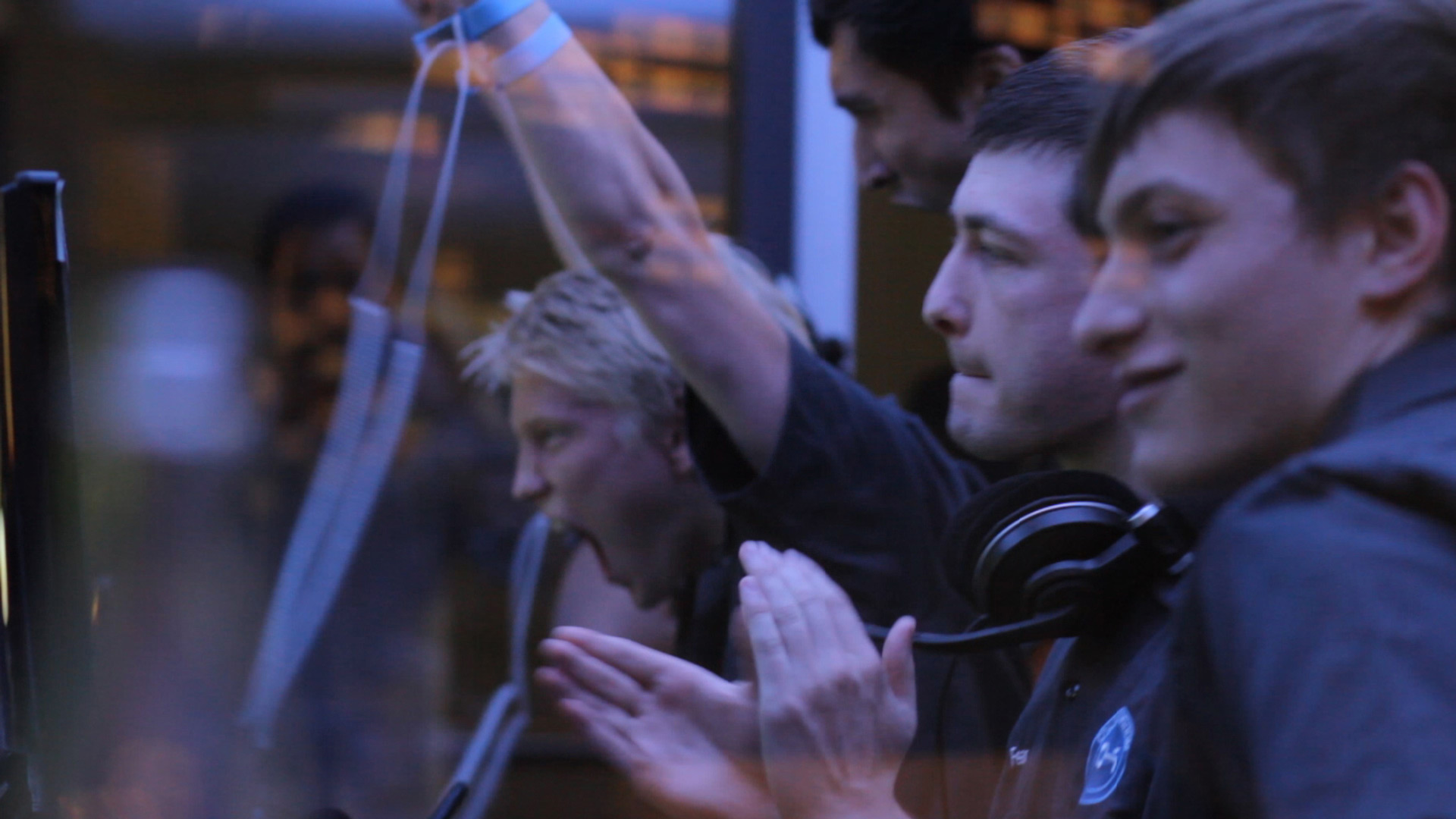
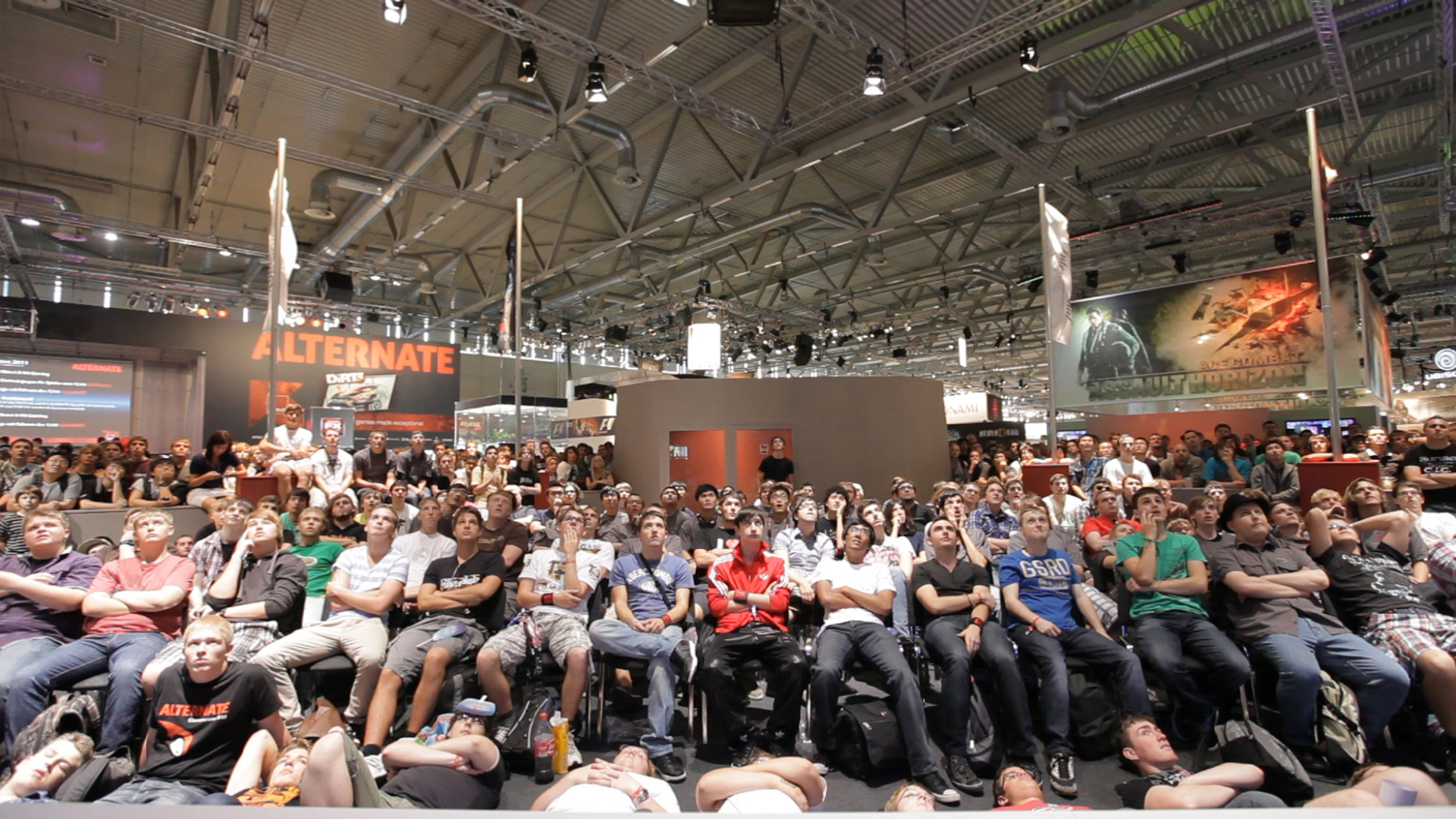
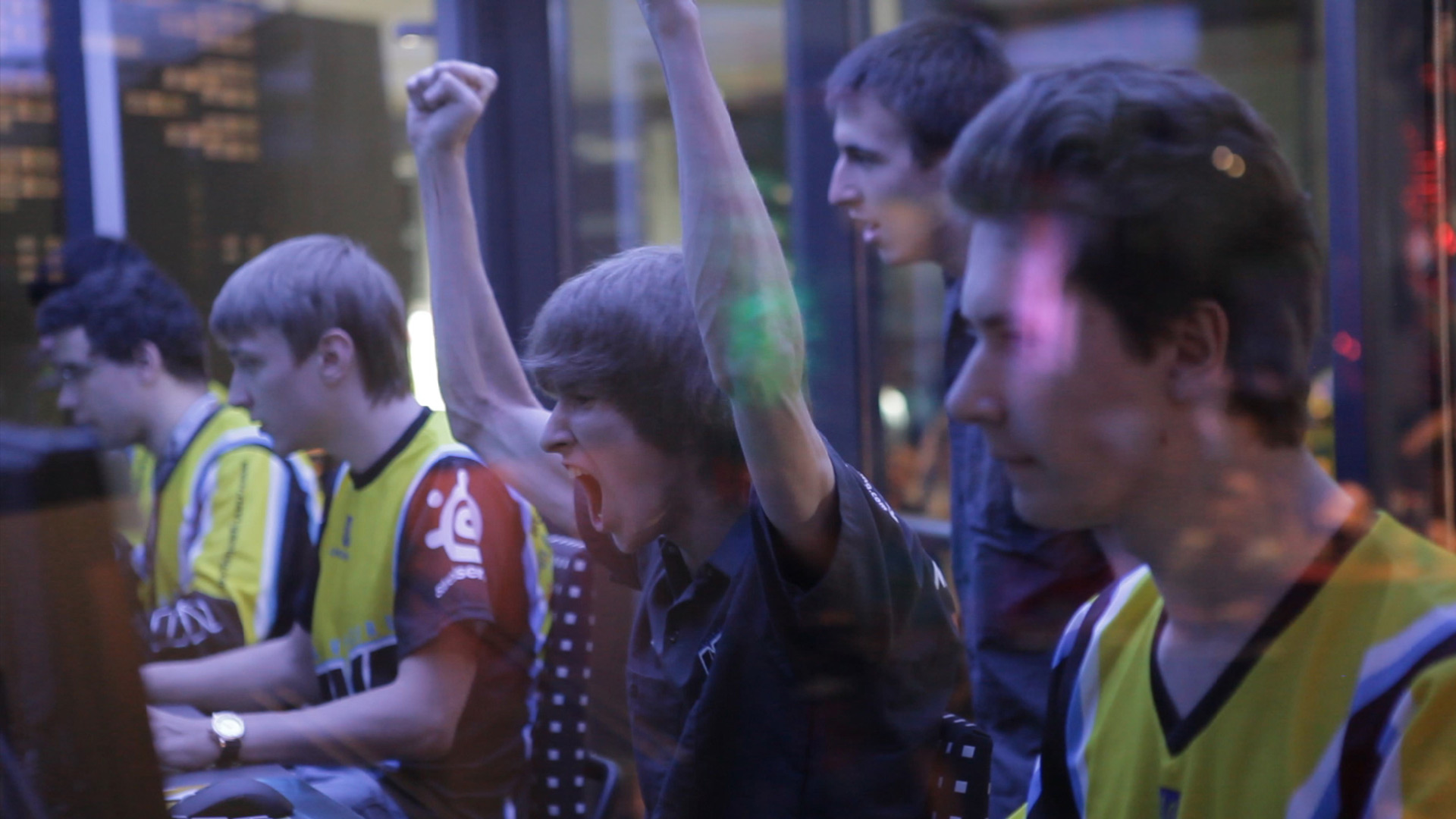
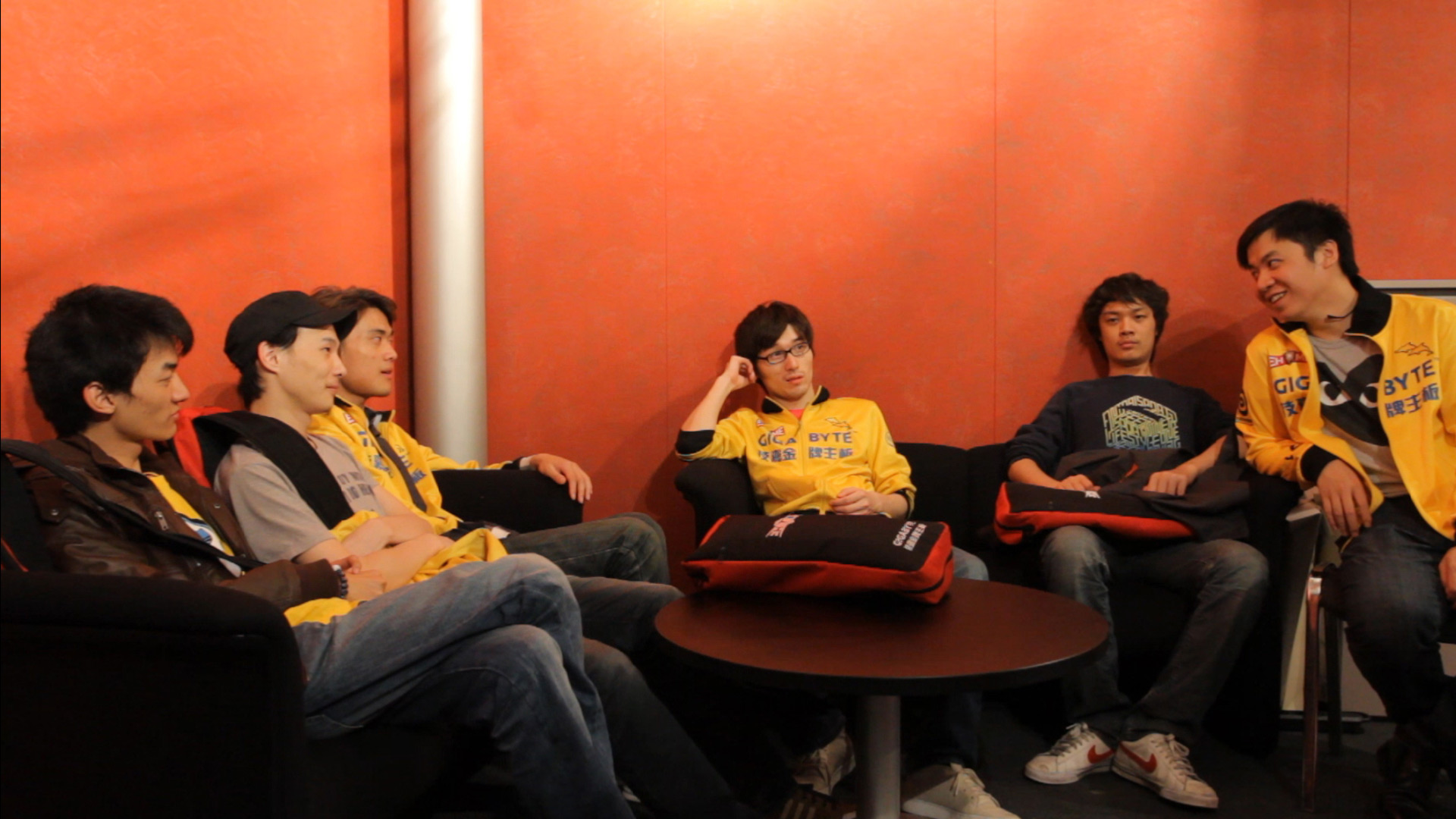
FREE TO PLAY is a feature-length documentary that follows three professional gamers from around the world as they compete for a million dollar prize in the first Dota 2 International Tournament. In recent years, E Sports has surged in popularity to become one of the most widely-practiced forms of competitive sport today. A million dollar tournament changed the landscape of the gaming world and for those elite players at the top of their craft, nothing would ever be the same again. Produced by Valve, the film documents the challenges and sacrifices required of players to compete at the highest level.


Born in L’viv, Ukraine, Dendi began playing video games at a young age after his older brother received a PC from their grandmother. As he had with his other early interests in life, music and dancing, Dendi picked up games very quickly and was soon excelling far beyond his age bracket. The prodigious dexterity earned through long hours of piano study was soon put to use in local gaming tournaments where he earned a reputation as a dominant and creative competitor. Though he was successful at other games, he knew he found his calling when he stumbled upon Dota.

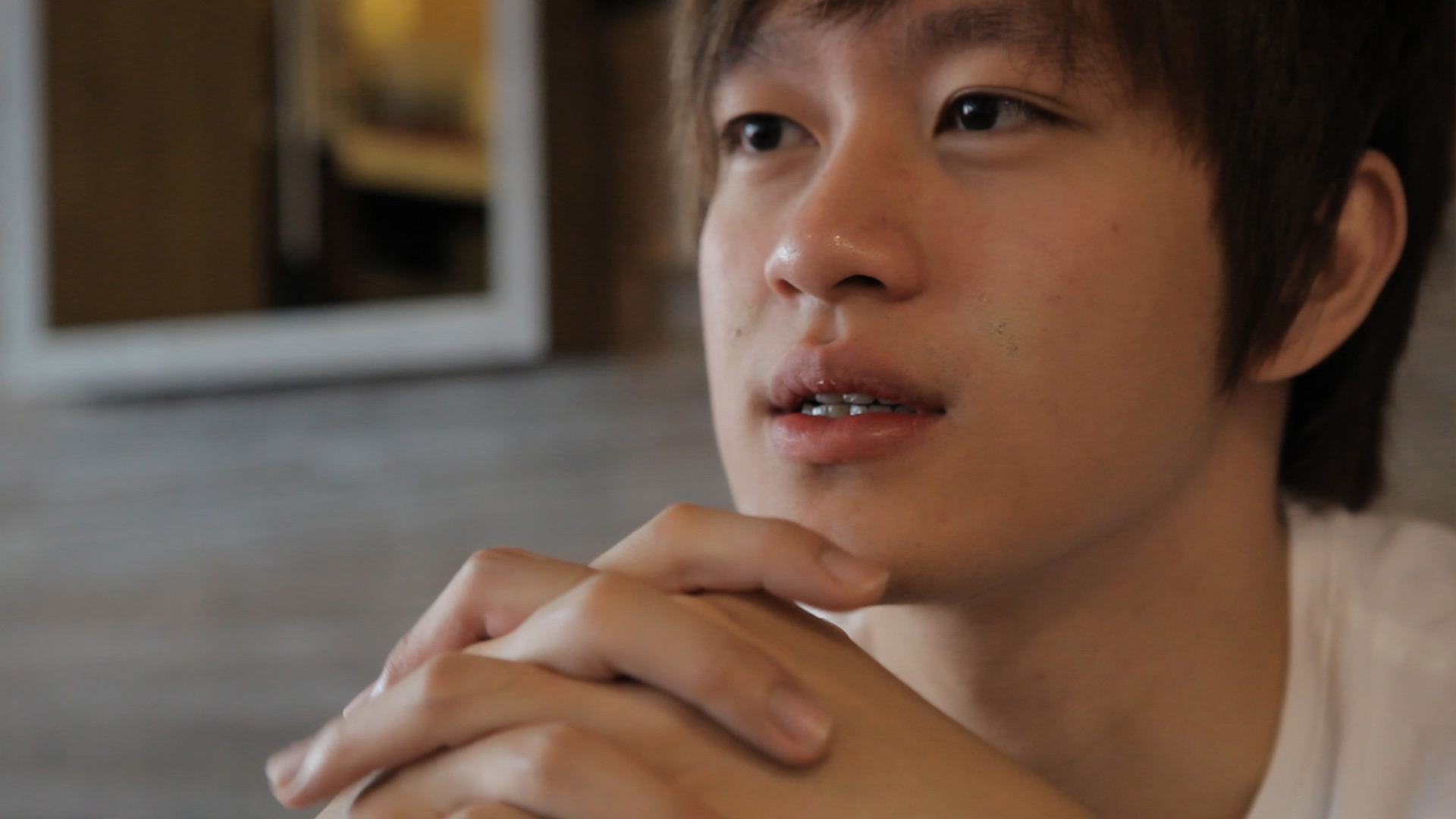
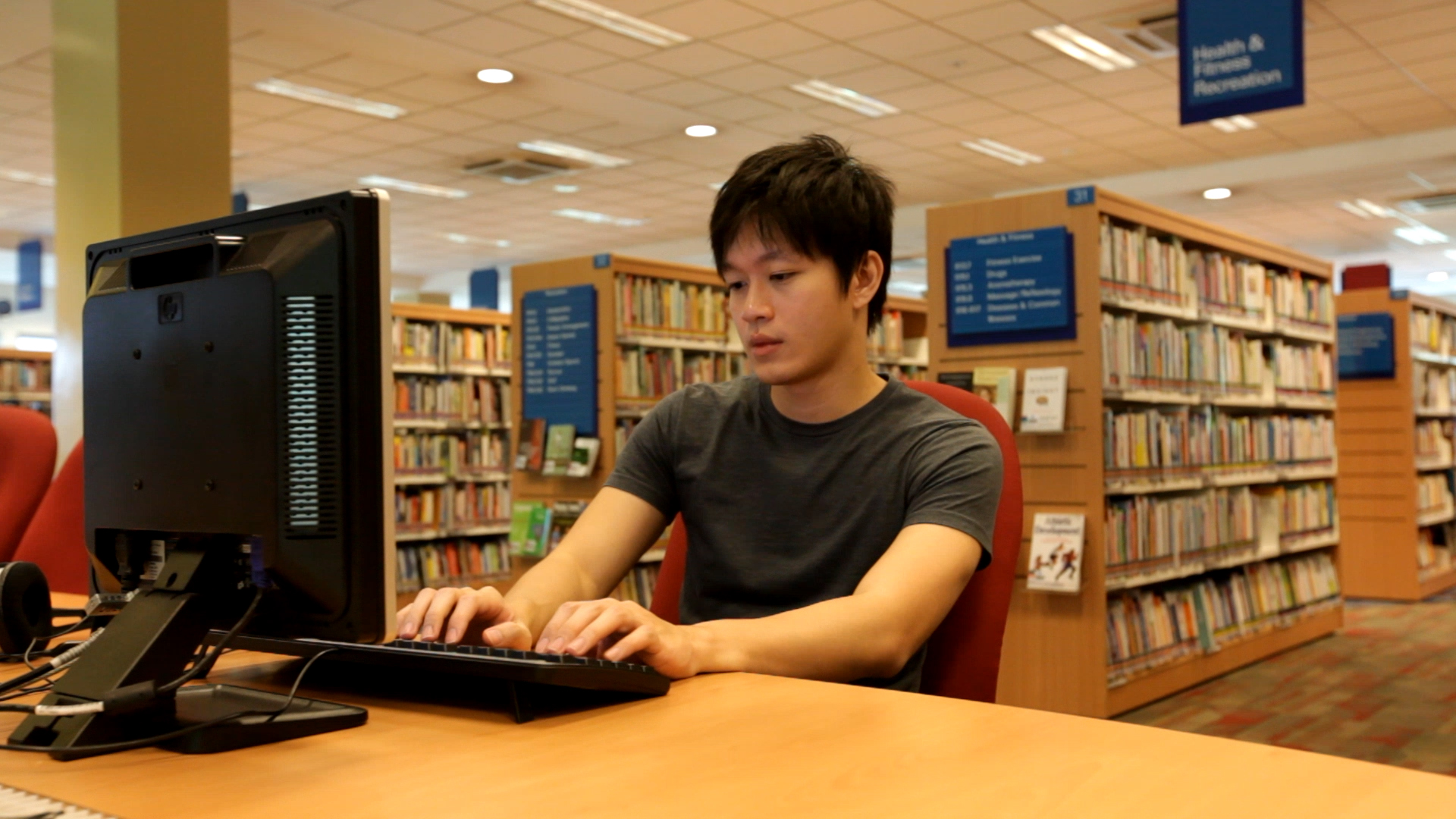
If you’ve followed the development of Singaporean Dota, then Benedict “HyHy” Lim is a name that is familiar to you. Born in Singapore on 1990, HyHy’s rise to prominence began when he and teammates represented Singapore in the 2007 Asian Cyber Games. The following year, he was victorious in the Electronic Sports World Cup. Since then his body of work has become a pillar in the Dota 2 community. Never one to shy away from controversy, HyHy speaks his mind, and has made a name for himself as one of professional gaming’s most driven and versatile players.

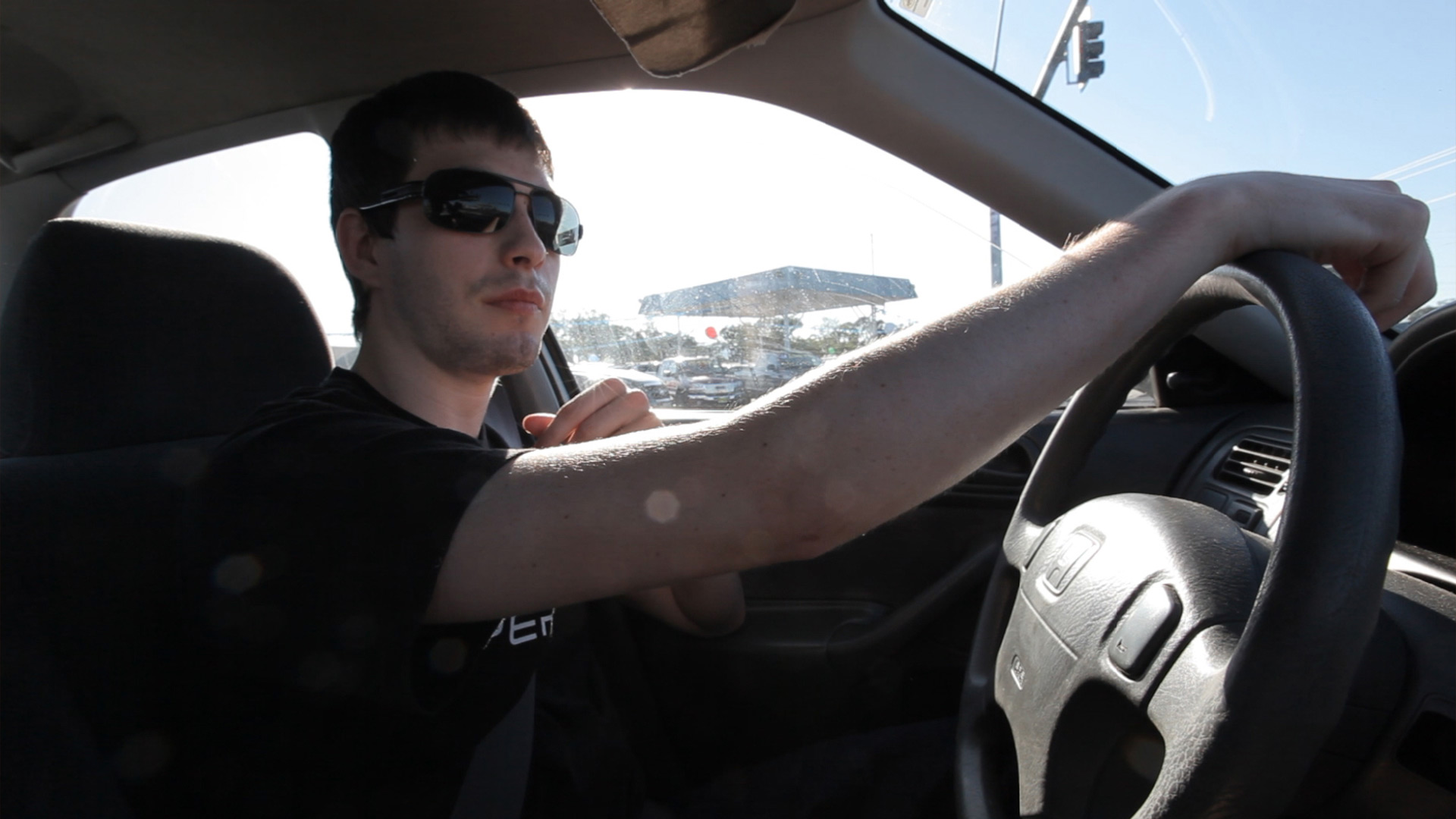
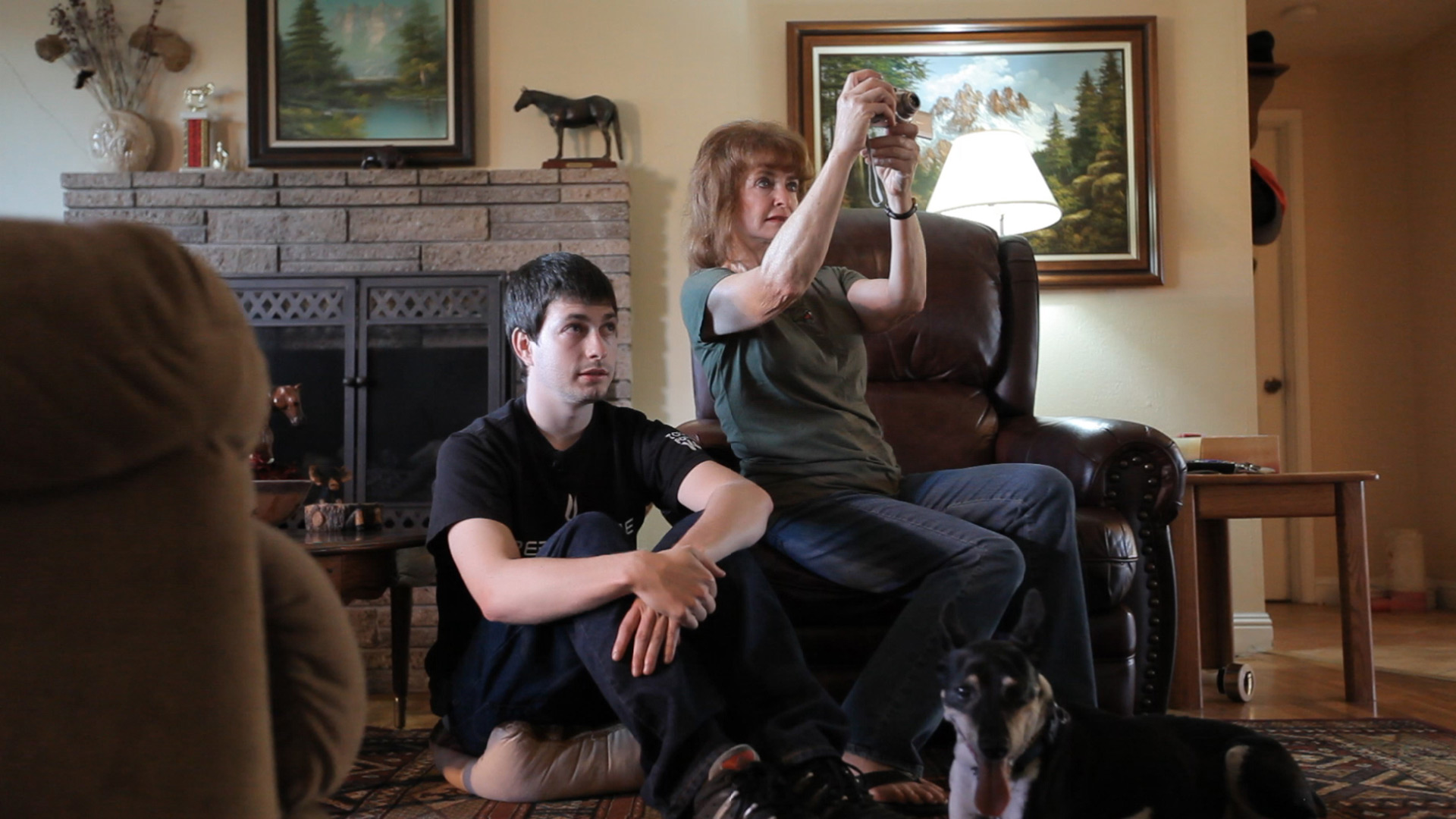
Arguably among the most formidable Dota 2 players to ever come out of the Western Hemisphere, Clinton “Fear” Loomis, has never had an easy path in front of him. Ever the underdog, he’s used a balance of raw skill and hard-earned experience to overcome the isolation that US players often face when they compete at the highest level. Born 1988, his work ethic and dedication have taken him from Medford, Oregon to Europe, to China, and finally to the Dota 2 International, the tournament with the largest prize pool in the history of video games.
The VPK is the standard packaging format for Vita homebrew applications. Essentially an archive file (similar to a ZIP or Android’s APK), a VPK contains the executable code, assets, and metadata required for a Vita to install and run unofficial software. The breakthrough came with the development of the reVC (Reverse Engineered Vice City) project. Using legally obtained assets from a user’s own copy of the PC version, homebrew developers compiled a native Vita executable. By packaging this into a VPK, they bypassed the need for official licensing or emulation. The result was stunning: a near-flawless, native port of GTA: Vice City running on Sony’s underdog handheld.
In the pantheon of video game history, few titles shine as brightly as Grand Theft Auto: Vice City . Released in 2002, it defined a generation with its neon-soaked 1980s aesthetic, iconic soundtrack, and revolutionary open-world gameplay. For years, playing this masterpiece on a truly portable Sony device seemed like a distant dream—until the homebrew community stepped in. For owners of the PlayStation Vita, the file extension “.VPK” became a magic key, unlocking the ability to run GTA: Vice City natively on hardware it was never officially designed for. The marriage of Vice City and the PS Vita via the VPK format represents a fascinating intersection of corporate abandon, grassroots engineering, and the preservation of interactive art. gta vice city vpk ps vita
The technical achievement is remarkable. The PS Vita version, distributed via VPK, runs at a smooth framerate with improved draw distances compared to the original PS2 release. The touchscreen is cleverly mapped for weapon selection and radio station switching, while the rear touchpad handles zooming for the sniper rifle. More importantly, the VPK format allows for easy updates and modding. Players can inject custom soundtracks, graphical enhancements, or even total conversion mods directly into the installed game folder. This flexibility transforms the Vita from a static game console into a developer-friendly sandbox, breathing new life into a device Sony discontinued in 2019. The VPK is the standard packaging format for
However, this technological marvel exists in a legal and ethical gray zone. Distributing a VPK that contains Vice City ’s proprietary code would be piracy. The homebrew community strictly adheres to a “data files” model: the VPK contains only the reverse-engineered engine. The user must legally provide their own copy of the game’s assets (from a purchased PC version). This distinction protects the project from takedowns while honoring Rockstar’s intellectual property. It is a testament to the community’s respect for preservation over theft. Using legally obtained assets from a user’s own
In conclusion, the ability to play Grand Theft Auto: Vice City on the PS Vita via a VPK file is more than a clever hack. It is a statement about digital preservation and the passion of gamers. When corporations move on to newer hardware and remasters, it is often the homebrew community that ensures classic titles remain accessible on modern, portable devices. For Vita owners, installing that vicecity.vpk is a small ritual that delivers a massive reward: the ability to drive down Ocean Drive, listening to “Billie Jean,” with the world of 1986 tucked comfortably into their coat pocket. It proves that with enough dedication, no great game ever truly dies—it just gets repackaged.
Officially, the PlayStation Vita has a sparse relationship with Grand Theft Auto . Sony’s powerful but ill-fated handheld received ports of GTA: Liberty City Stories and Vice City Stories (PSP backward compatible), but the mainline Vice City remained locked to home consoles and PC. This absence created a vacuum. The Vita’s dual analog sticks, vibrant OLED screen (on the 1000 model), and robust processing power made it an ideal candidate for a game like Vice City . Yet, Rockstar Games never ported it. Enter the homebrew scene.