Show Focus Points
2019 update released! Check out download page for details
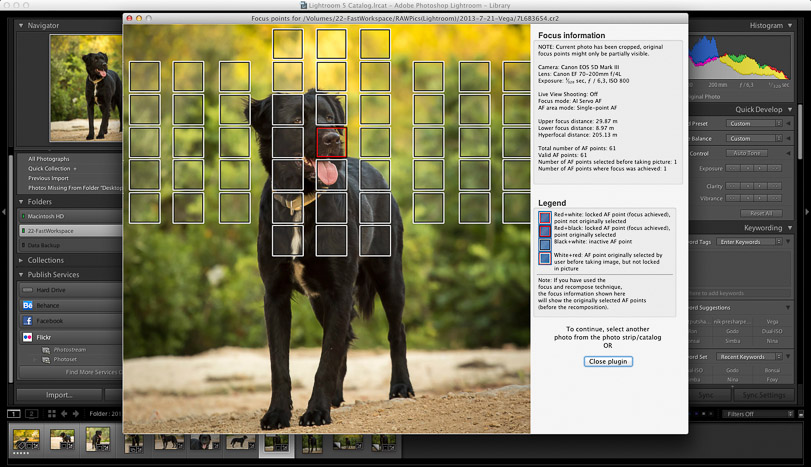
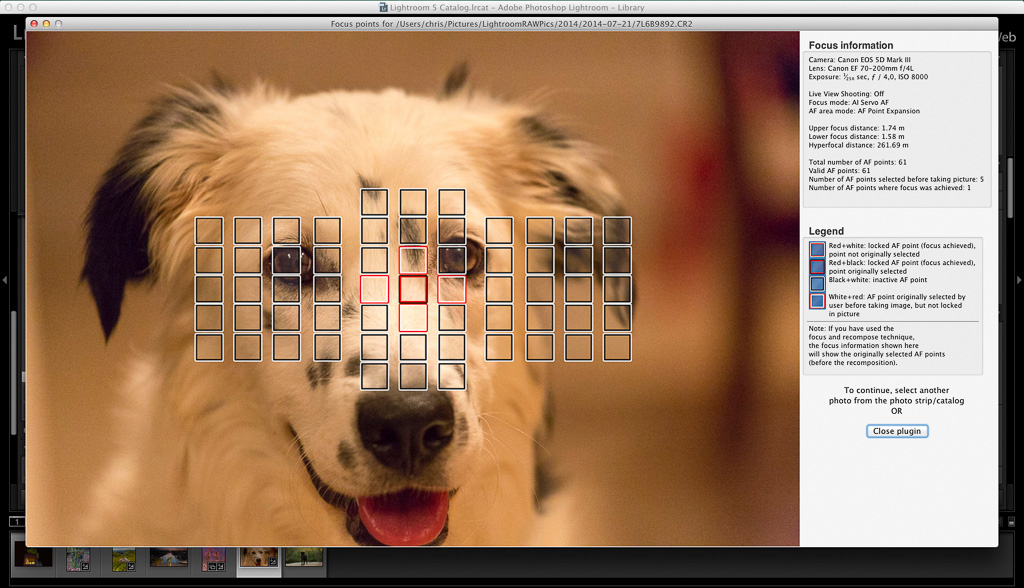
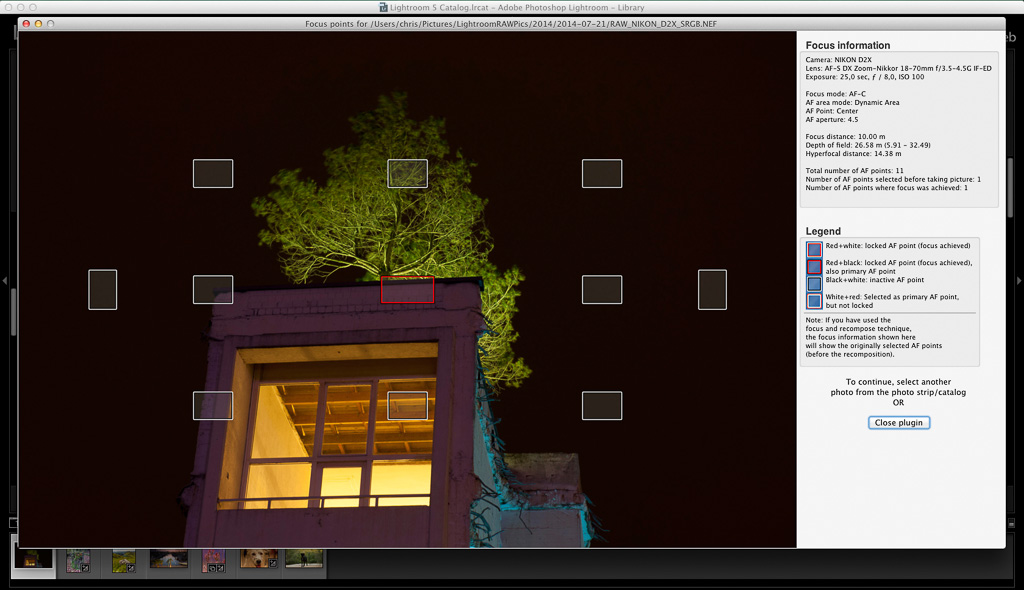
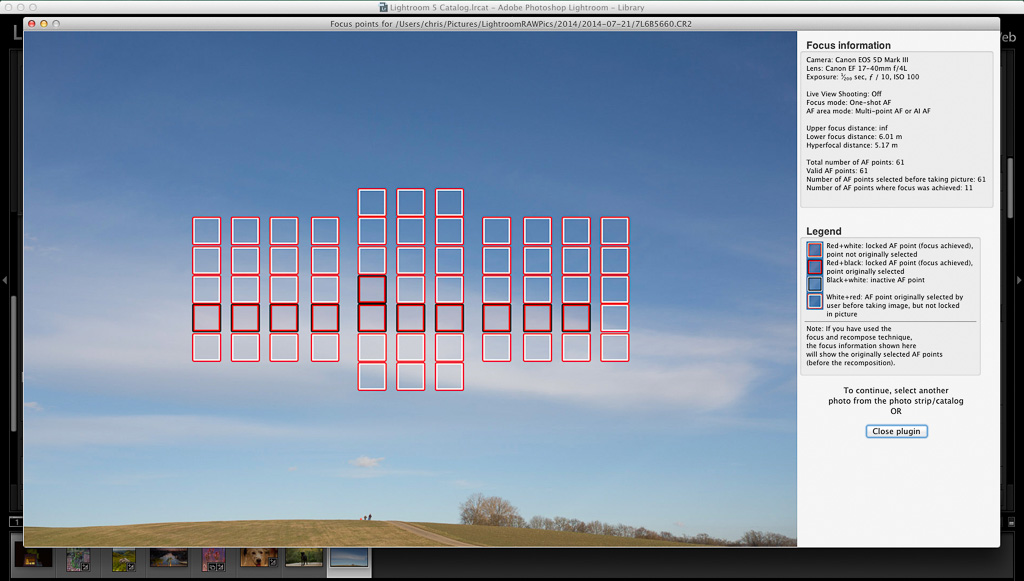
Show Focus Points is a plugin for Adobe Lightroom. It shows you which focus points were selected by your camera when the photo was taken.
Show Focus Points
2019 update released! Check out download page for details
Show Focus Points is a plugin for Adobe Lightroom. It shows you which focus points were selected by your camera when the photo was taken.
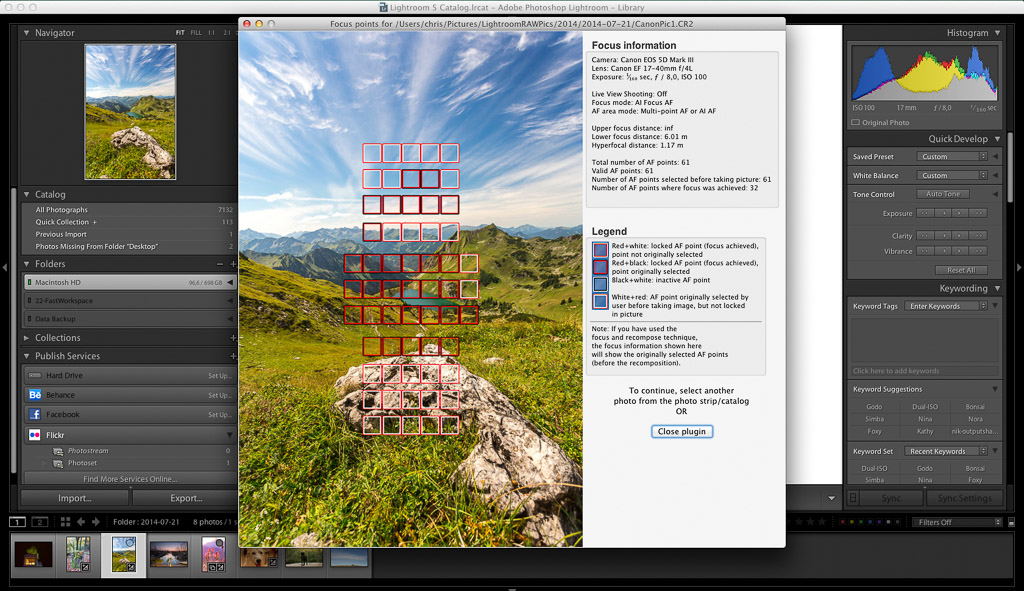
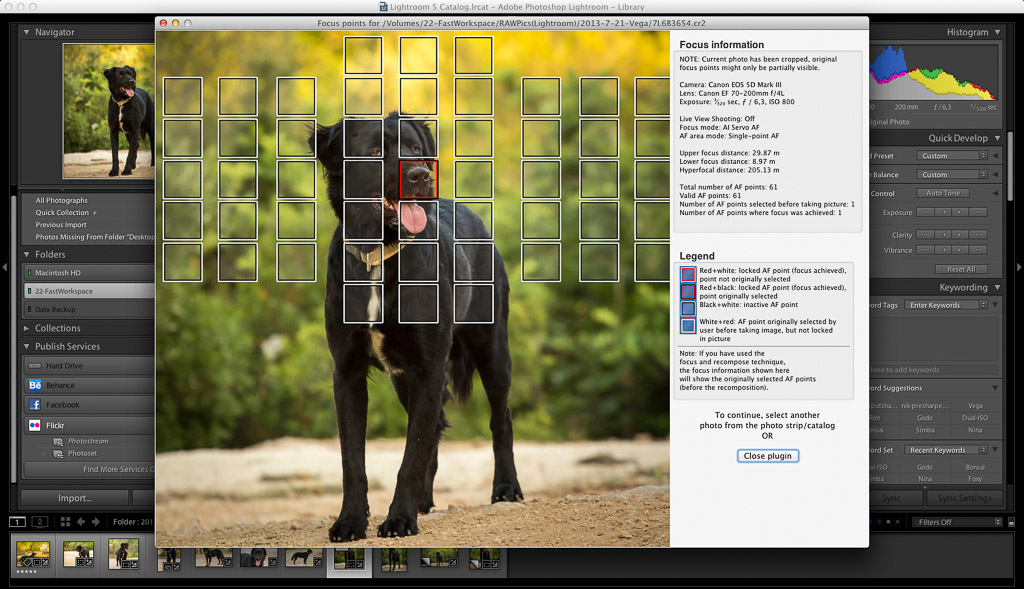
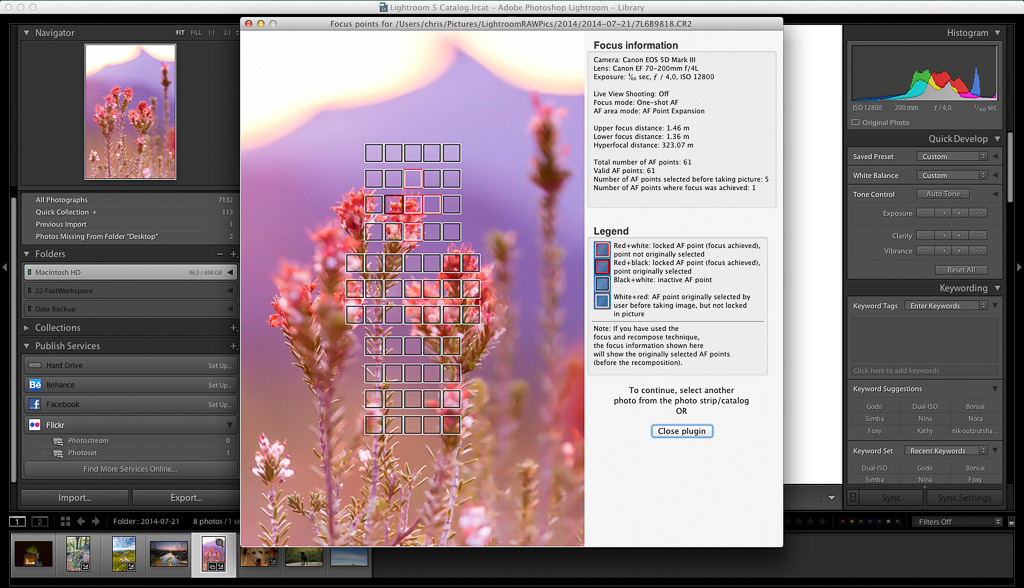
Show Focus Points is a plugin for Adobe Lightroom which shows you which of your camera's focus points were used when you took a picture.
Below find some screenshots of the plugin in action.
Click on the images to enlarge them.
Download Mac-only version (6.6 MB)
Download Windows-only version (14 MB)
Download version containing both Mac+Windows versions (20 MB)
This is the cruelty of the wild. Nature does not do gratitude. The tiger was never Pi’s friend; he was Pi’s reason to stay alive. Once land is reached, the reason vanishes. Pi weeps not because the tiger left, but because he loved him, and the tiger did not love him back. It is a stunning metaphor for trauma: the part of you that gets you through the worst moments often abandons you once you are safe, leaving only loneliness and memory. Life of Pi endures because it is a book that trusts its reader. It does not lecture about God or atheism. It simply presents two versions of reality and asks: What would you rather believe? In an age of cynicism, Pi offers radical hope. He suggests that choosing a story—any story—that elevates your suffering into something meaningful is not an escape from truth. It is a higher form of truth.
Why? Because the tiger story is bearable . It is a story that allows Pi to survive not just physically, but psychologically. Richard Parker is not just an animal; he is a manifestation of Pi’s own primal instincts. A young boy alone on the ocean cannot commit murder and cannibalism and remain sane. But he can train a tiger. He can tame the beast within. Life Of Pi
Martel argues that the universe is not obliged to make sense, but we are obliged to find meaning. Faith, he suggests, is not about believing in the impossible. It is about choosing the better story—the one that illuminates rather than destroys. Religion, in this framework, is a lifeboat. The novel’s most heartbreaking moment is not the shipwreck or the violence. It is the end. When Pi’s lifeboat finally beaches on the coast of Mexico, Richard Parker leaps out, walks a few yards toward the jungle, and pauses. Pi expects the tiger to look back at him—to acknowledge the bond forged over 227 days. But Richard Parker never looks back. He disappears into the undergrowth without a single glance. This is the cruelty of the wild
But the novel is famously a hall of mirrors. After Pi is rescued in Mexico, the Japanese Ministry of Transport interviews him to learn why the Tsimtsum sank. They do not believe his story about the tiger. So, Pi tells another version. In this version, the animals are replaced by humans: a brutal cook (the hyena), a kind sailor with a broken leg (the zebra), his own mother (the orangutan), and Pi himself as Richard Parker. In this version, the cook kills his mother, and Pi kills the cook. The violence is real, visceral, and horrifying. Once land is reached, the reason vanishes
This is the cruelty of the wild. Nature does not do gratitude. The tiger was never Pi’s friend; he was Pi’s reason to stay alive. Once land is reached, the reason vanishes. Pi weeps not because the tiger left, but because he loved him, and the tiger did not love him back. It is a stunning metaphor for trauma: the part of you that gets you through the worst moments often abandons you once you are safe, leaving only loneliness and memory. Life of Pi endures because it is a book that trusts its reader. It does not lecture about God or atheism. It simply presents two versions of reality and asks: What would you rather believe? In an age of cynicism, Pi offers radical hope. He suggests that choosing a story—any story—that elevates your suffering into something meaningful is not an escape from truth. It is a higher form of truth.
Why? Because the tiger story is bearable . It is a story that allows Pi to survive not just physically, but psychologically. Richard Parker is not just an animal; he is a manifestation of Pi’s own primal instincts. A young boy alone on the ocean cannot commit murder and cannibalism and remain sane. But he can train a tiger. He can tame the beast within.
Martel argues that the universe is not obliged to make sense, but we are obliged to find meaning. Faith, he suggests, is not about believing in the impossible. It is about choosing the better story—the one that illuminates rather than destroys. Religion, in this framework, is a lifeboat. The novel’s most heartbreaking moment is not the shipwreck or the violence. It is the end. When Pi’s lifeboat finally beaches on the coast of Mexico, Richard Parker leaps out, walks a few yards toward the jungle, and pauses. Pi expects the tiger to look back at him—to acknowledge the bond forged over 227 days. But Richard Parker never looks back. He disappears into the undergrowth without a single glance.
But the novel is famously a hall of mirrors. After Pi is rescued in Mexico, the Japanese Ministry of Transport interviews him to learn why the Tsimtsum sank. They do not believe his story about the tiger. So, Pi tells another version. In this version, the animals are replaced by humans: a brutal cook (the hyena), a kind sailor with a broken leg (the zebra), his own mother (the orangutan), and Pi himself as Richard Parker. In this version, the cook kills his mother, and Pi kills the cook. The violence is real, visceral, and horrifying.