Movie Level 16 Page
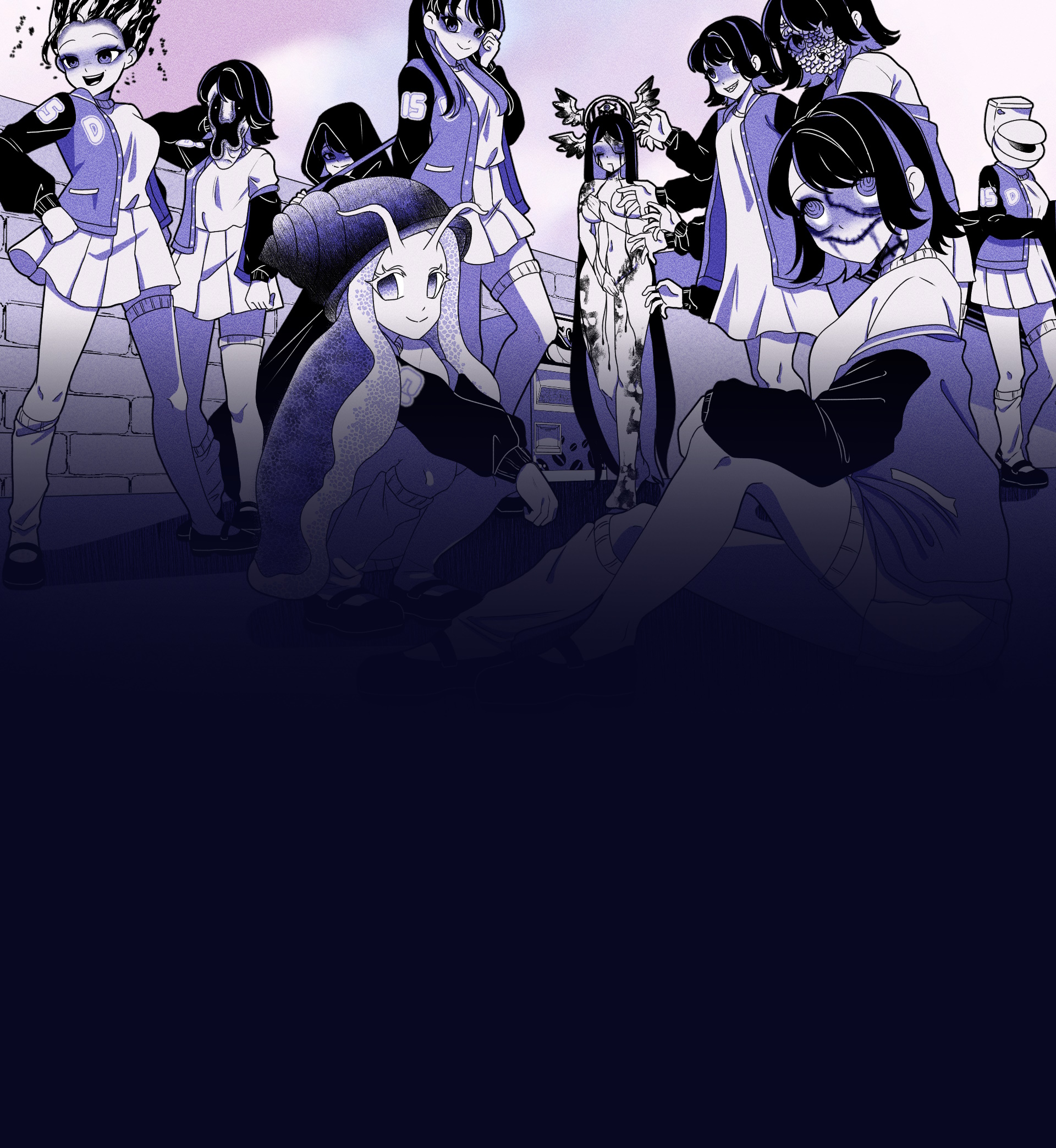
A unique visual novel where you explore a mysterious coffee machine that can dispense any liquid imaginable
A unique visual novel where you explore a mysterious coffee machine that can dispense any liquid imaginable
Experience this unique visual novel interactive simulation game directly in your browser. No downloads required!
Click the button below to load and start the game
Visual Novel
30-60 minutes
Single Player
Web Browser
The film’s core critique is sharp: the academy doesn’t just control the girls — it commodifies them. They are taught to be odorless, silent, and compliant. The “adoption” is actually a sale into literal human trafficking for wealthy clients seeking “pure” girls. The most disturbing sequence involves a “quality control” inspection, where girls are rated like livestock. Level 16 suggests that patriarchal systems don’t just oppress women; they extract their youth, identity, and autonomy for profit.
As Vivienne, Katie Douglas (known from Ginny & Georgia and Believe Me ) delivers a quiet, observant intensity. She isn’t the archetypal “rebel” — she initially follows rules, fears punishment, and only awakens gradually. Her arc from passive compliance to defiant action feels earned. Opposite her, Celina Martin as Sophia provides a necessary spark: curious, rebellious, and impulsive. Their dynamic — pragmatism vs. idealism — drives the moral engine of the film.
The other 14 girls are mostly indistinguishable. A few get names and brief moments (Linnea, Wren), but they function as a silent chorus rather than individuals. This may be intentional — highlighting how the system erases personhood — but it also reduces potential emotional stakes when certain characters are eliminated. movie level 16
Level 16 borrows from The Handmaid’s Tale (surveillance, female subjugation), Never Let Me Go (institutionalized exploitation), and The Village (the lie of external danger). But it subverts the expected “chosen one” narrative. There is no love triangle, no superpower, no charismatic villain monologue. The antagonist (played with chilling mundanity by Sara Canning as Miss Brixil) isn’t a cackling tyrant; she’s a middle-manager of cruelty, which is far more frightening.
Level 16 is not a perfect film, but it is a remarkably confident and morally serious one. It uses its dystopian frame to ask uncomfortable questions about how young women are socialized into compliance — and what it takes to break that conditioning. Katie Douglas’s performance anchors the film, and the ending will linger with you for days. The film’s core critique is sharp: the academy
Where it stumbles in pacing and supporting character depth, it compensates with thematic clarity and a refusal to soften its horrors. This is not a fun watch, but it is an important one — especially for fans of intelligent, low-budget feminist sci-fi.
Here’s a deep, critical review of the 2018 dystopian thriller Level 16 (directed by Danishka Esterhazy). At first glance, Level 16 looks like yet another YA dystopian clone: young girls in uniform, a sterile boarding school, mysterious rules, and a dark secret. But Danishka Esterhazy’s film quickly distinguishes itself through its uncompromising tone, deliberate pacing, and a chillingly plausible horror rooted not in monsters, but in systemic exploitation. Premise (No Major Spoilers) Sixteen teenage girls, named after virtues like Vivienne (meaning “alive”) and Sophia (“wisdom”), live in the “Vestalis Academy.” They are taught cleanliness, obedience, and that the outside world is lethally toxic. The goal: to be adopted by wealthy families once they reach Level 16. But as two friends begin to question the daily “cleansing” rituals, sedative tea, and the fate of girls who “fail,” they uncover a truth far worse than any external poison. Strengths 1. World-Building Through Restriction The film’s budget is modest, but Esterhazy uses limitation as strength. The academy is a maze of white-tiled corridors, identical bunk beds, and windowless classrooms. This oppressive uniformity mirrors the girls’ psychological conditioning. The color palette shifts from sterile whites and pastels to sickly yellows and deep reds as the truth emerges, visually reinforcing the rot beneath the surface. She isn’t the archetypal “rebel” — she initially
Viewers who appreciate slow-burn psychological thrillers, feminist allegories, and stories where the real monster is a system, not a person. Not recommended for: Those seeking fast-paced action, elaborate world-building, or a conventionally hopeful resolution.
Discover what makes Anomalous Coffee Machine an unforgettable gaming experience
Interact with a mysterious vending machine that can dispense any liquid imaginable, possible or impossible.
Type in any word you can think of and see if the machine can dispense it. Endless possibilities await.
Experience a wide range of transformations and effects based on what you choose to drink.
Enjoy a rich visual experience with numerous animated scenes and visual effects.
Immerse yourself in an extensive narrative with over 100,000 words of dialogue and story content.
Interact with a mysterious girl who guides you through the experience of the anomalous machine.
In Anomalous Coffee Machine, you don't have any specific objectives. Simply experiment with the machine and discover what happens!
Input any word you can think of into the anomalous coffee machine.
The machine will attempt to dispense the corresponding liquid, no matter how impossible it seems.
Let the mysterious girl drink it and observe the effects and transformations that occur.
Try different words and combinations to unlock all 700+ possible drinks and their effects.
Experiment Freely
Try typing anything that comes to mind - from simple words like "coffee" to abstract concepts like "universe"
Observe Effects
Watch carefully as the girl drinks - each liquid can cause different transformations and reactions
Save Progress
Use the in-game save system to keep track of your discoveries and progress
Explore All Options
With 700+ possible words, there's always something new to discover