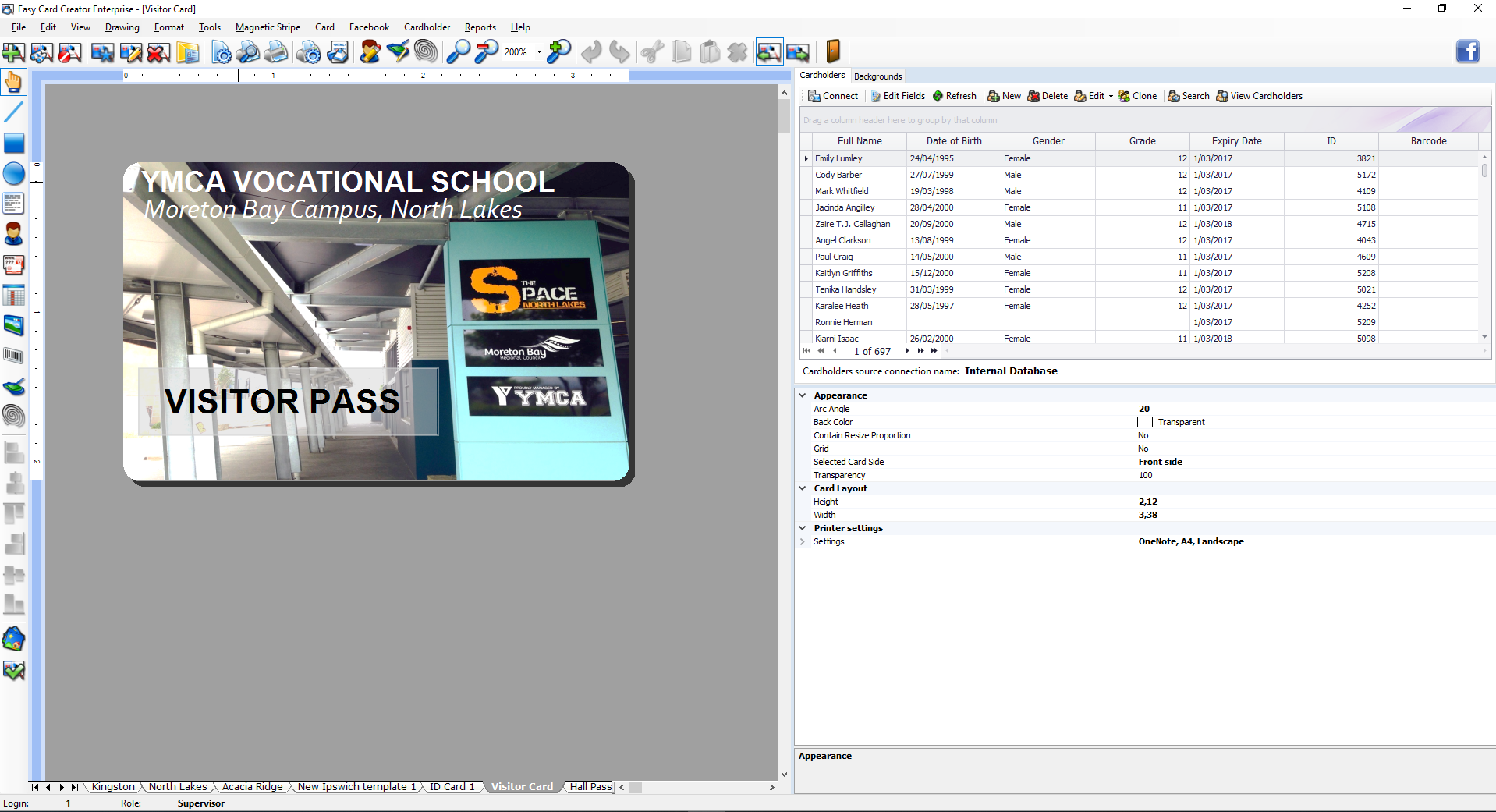
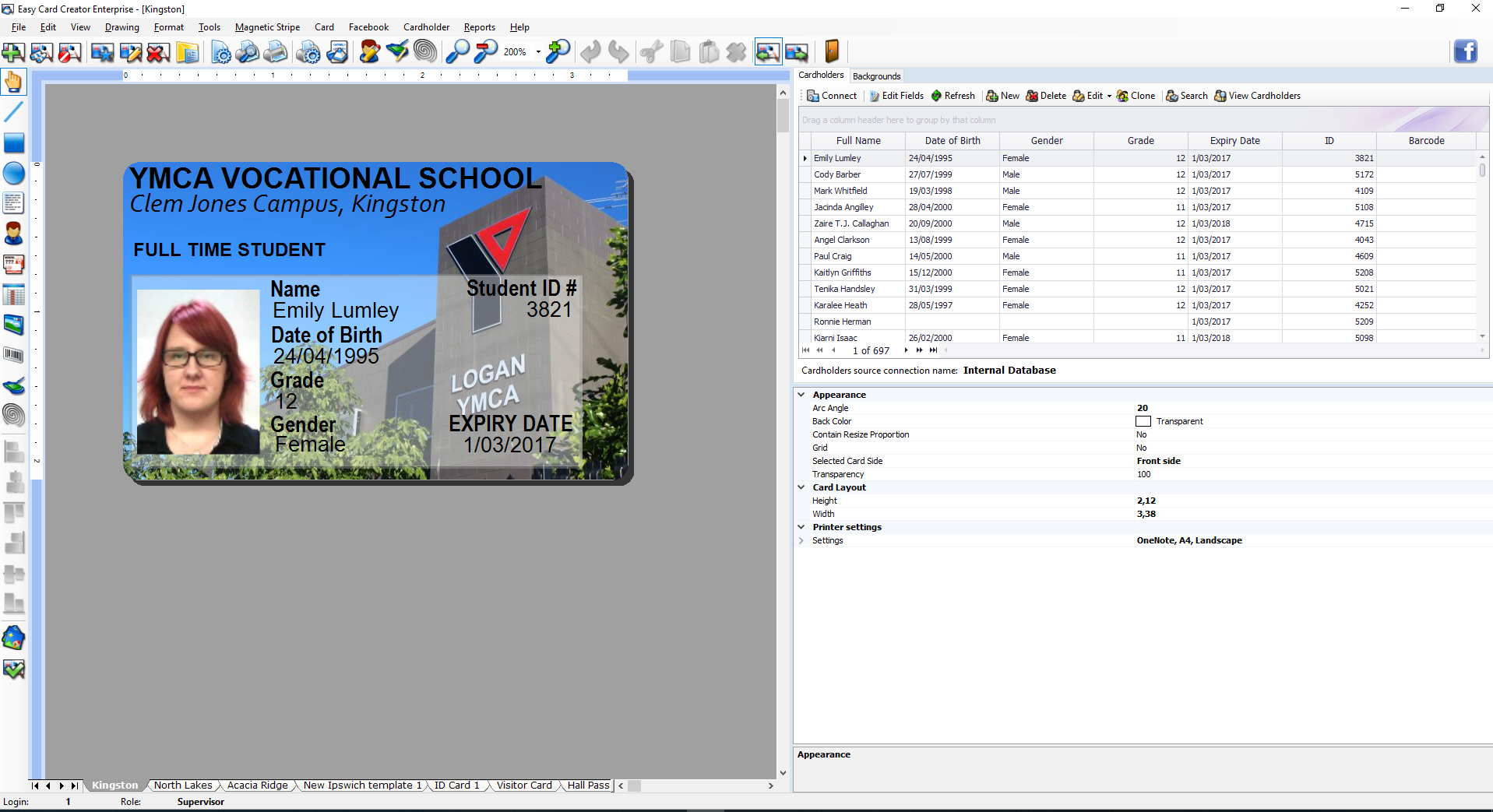
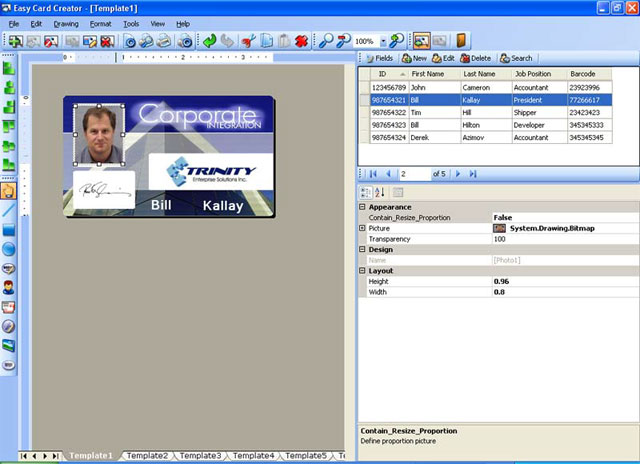
Described as the most versatile identity card design software available, our Photo ID solutions provide refreshingly advanced yet simple to work with graphical user interfaces.
If you are looking for ideal and affordable solution for you or your organization then this is the right place.
Easy Card Creator Features
Design Features
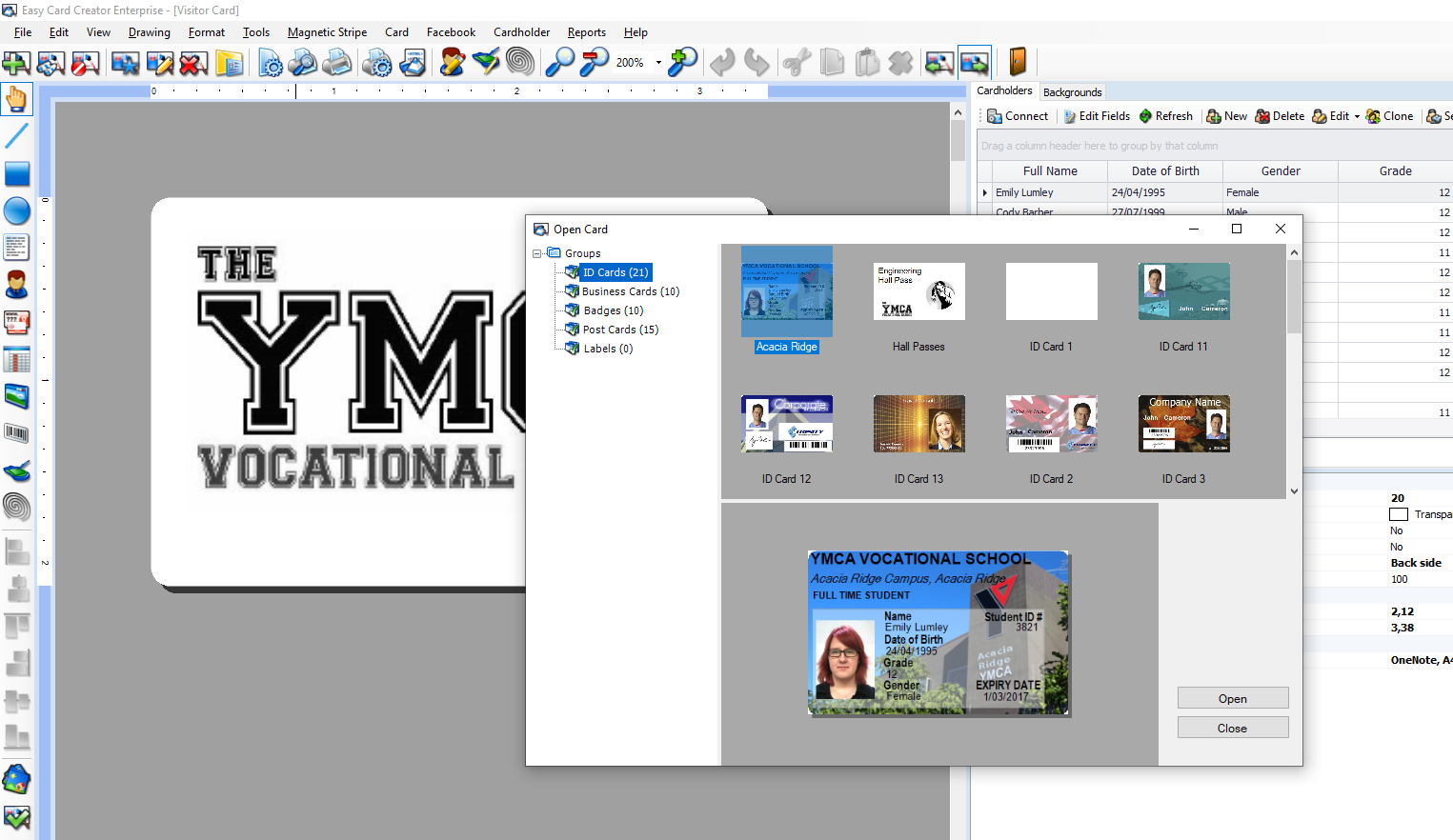
Predefined Card Sizes
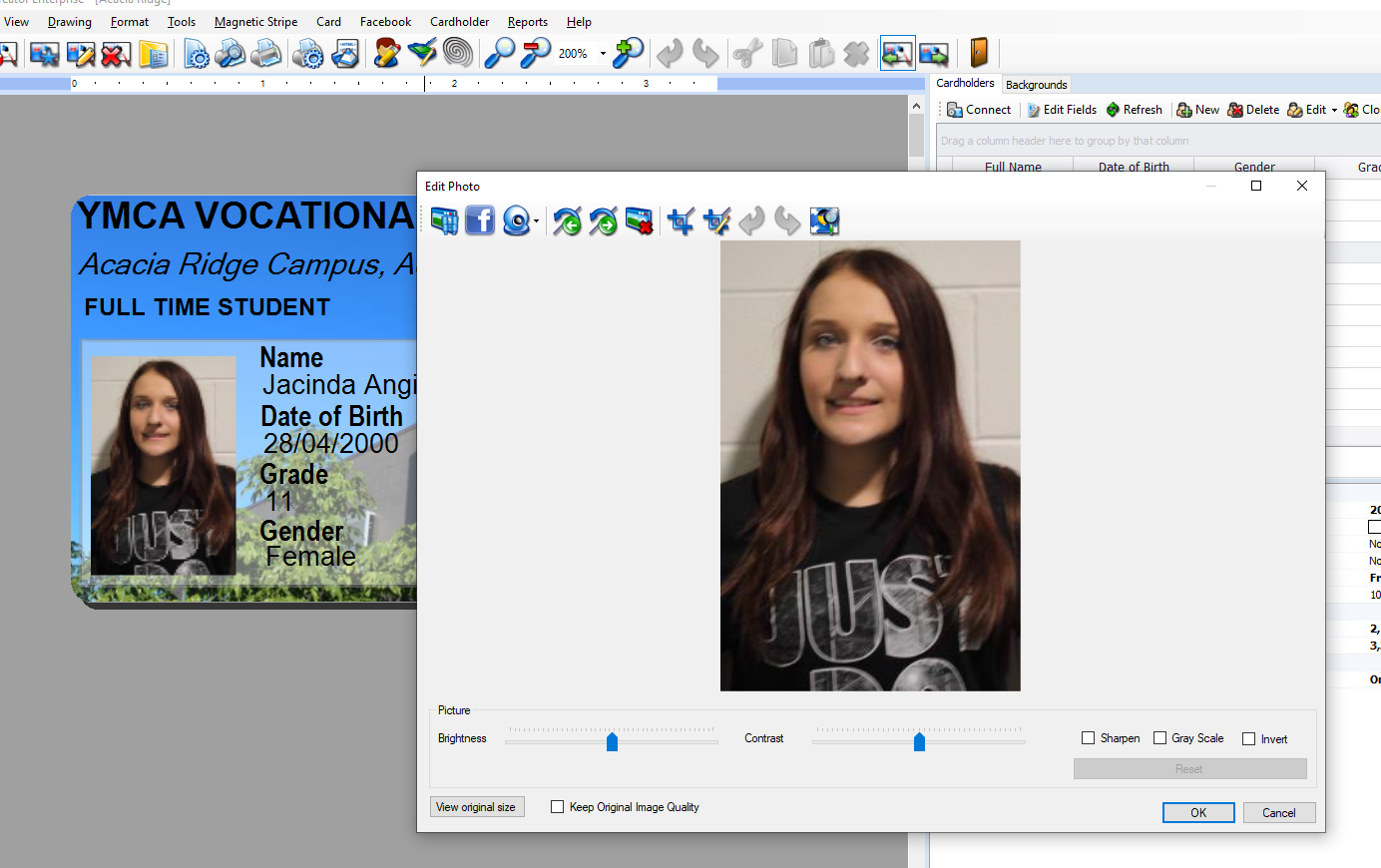
Image Editor
Magnetic Stripe Support
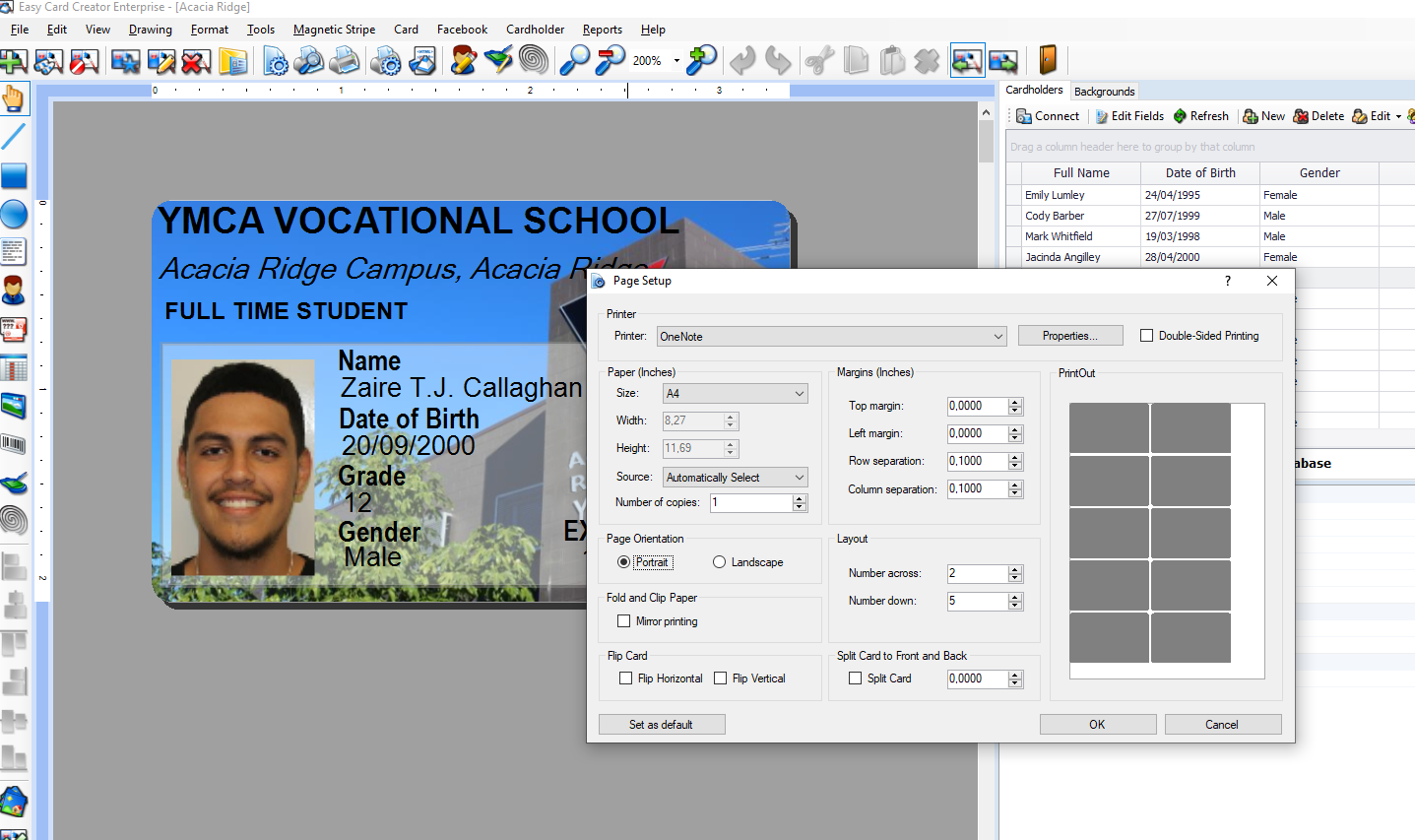
Printing Options
All Printers Support
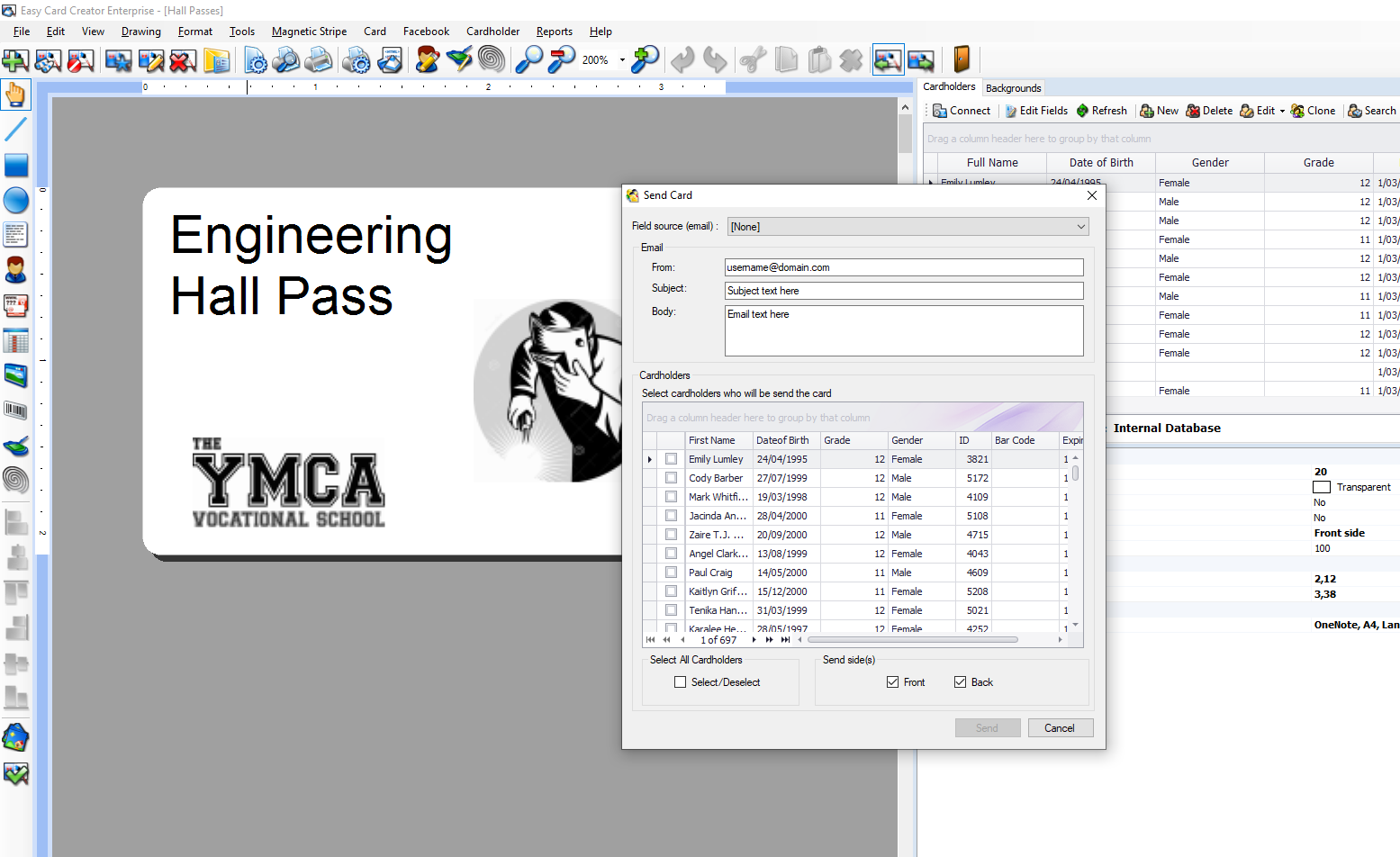
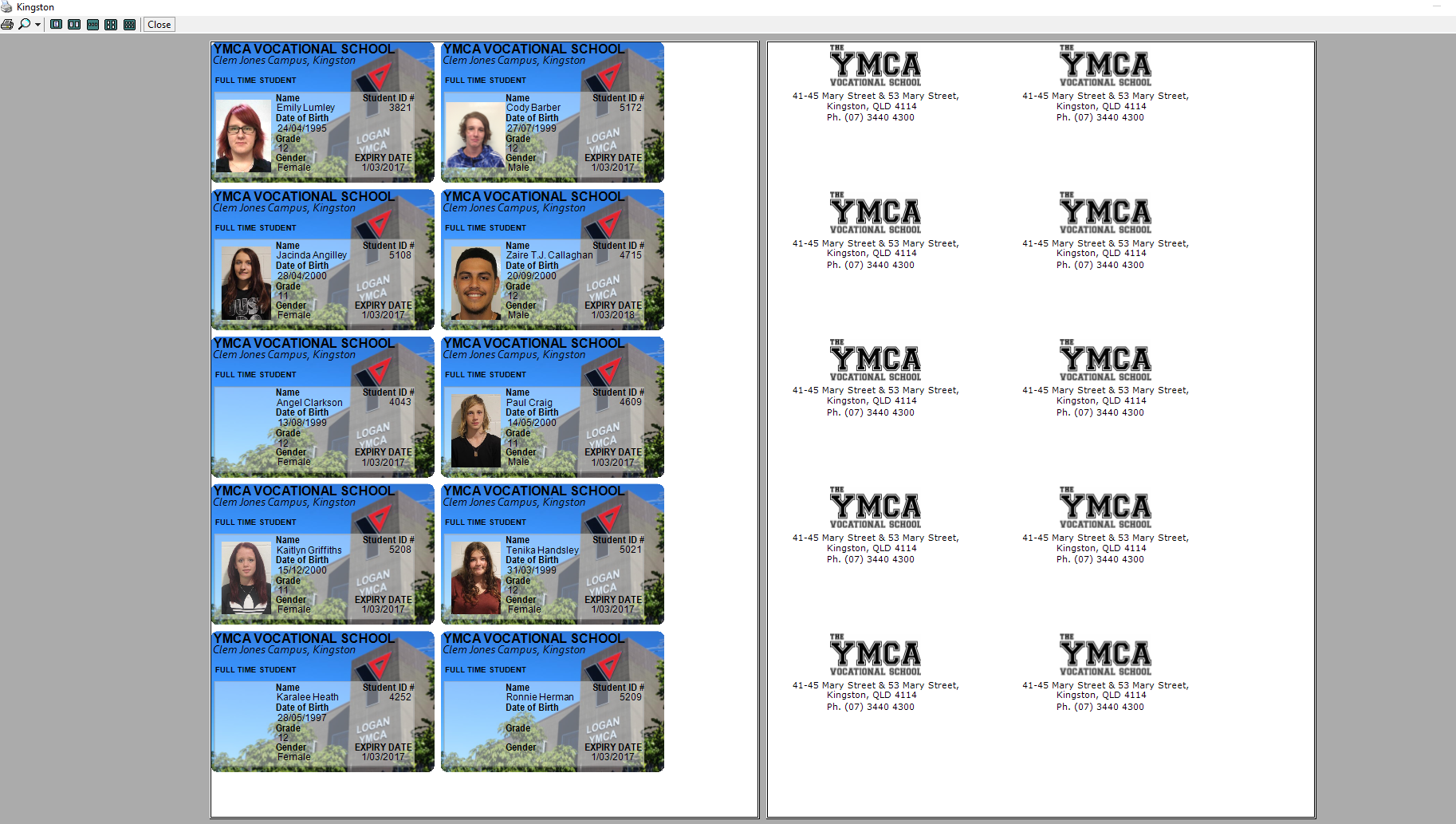
Batch Printing
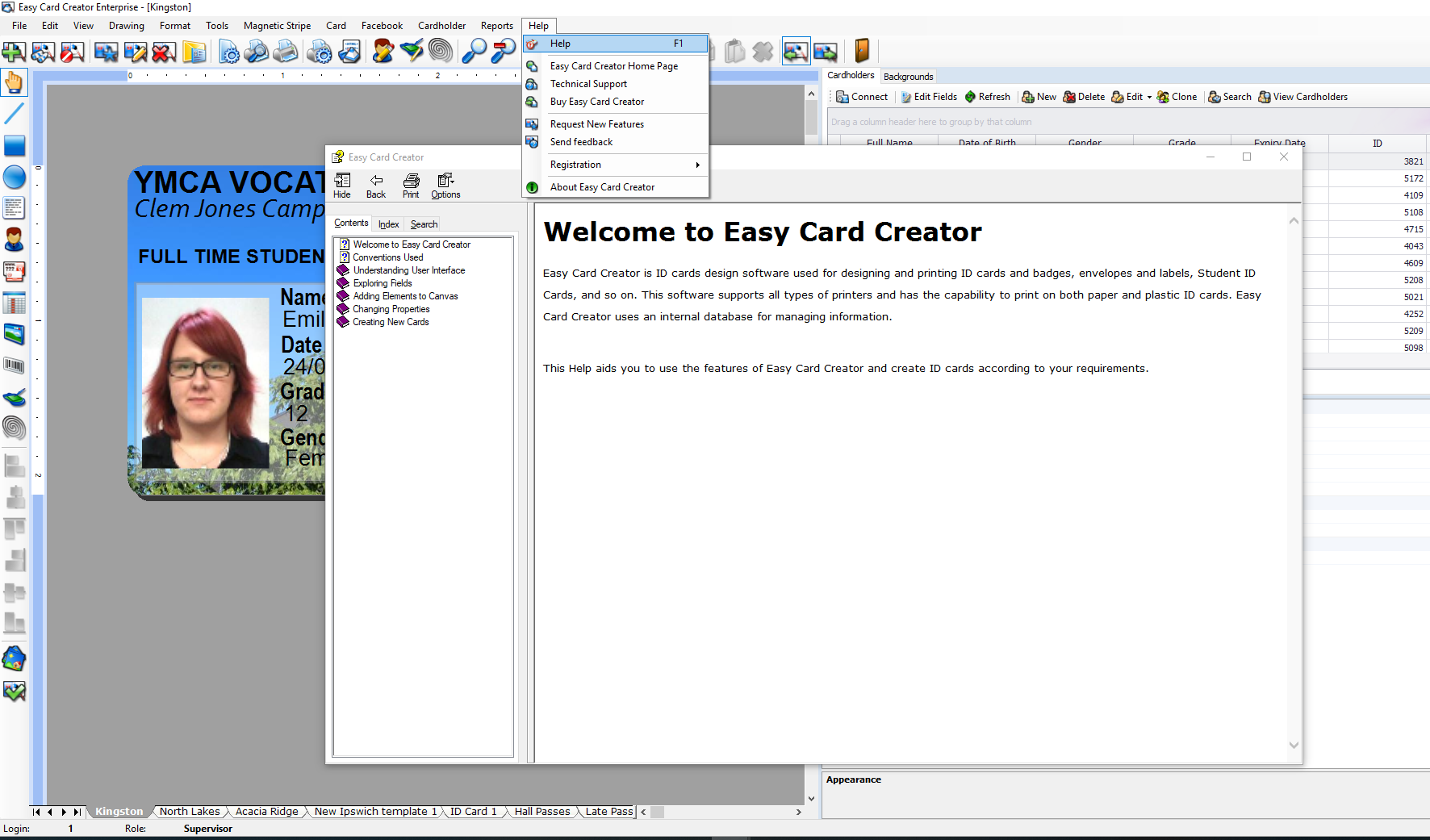
Fold and Clip Paper Badges Support
Database Features
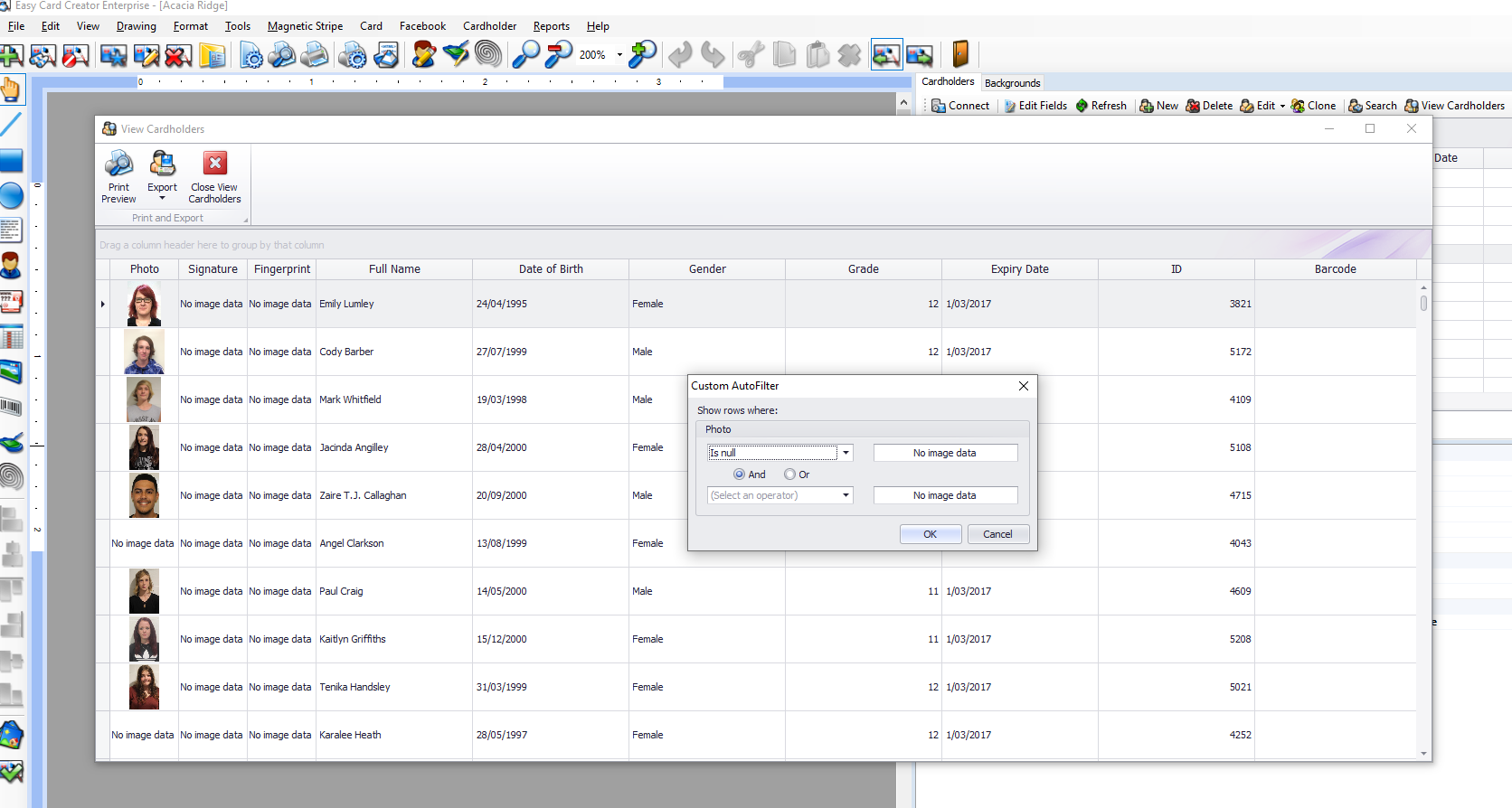
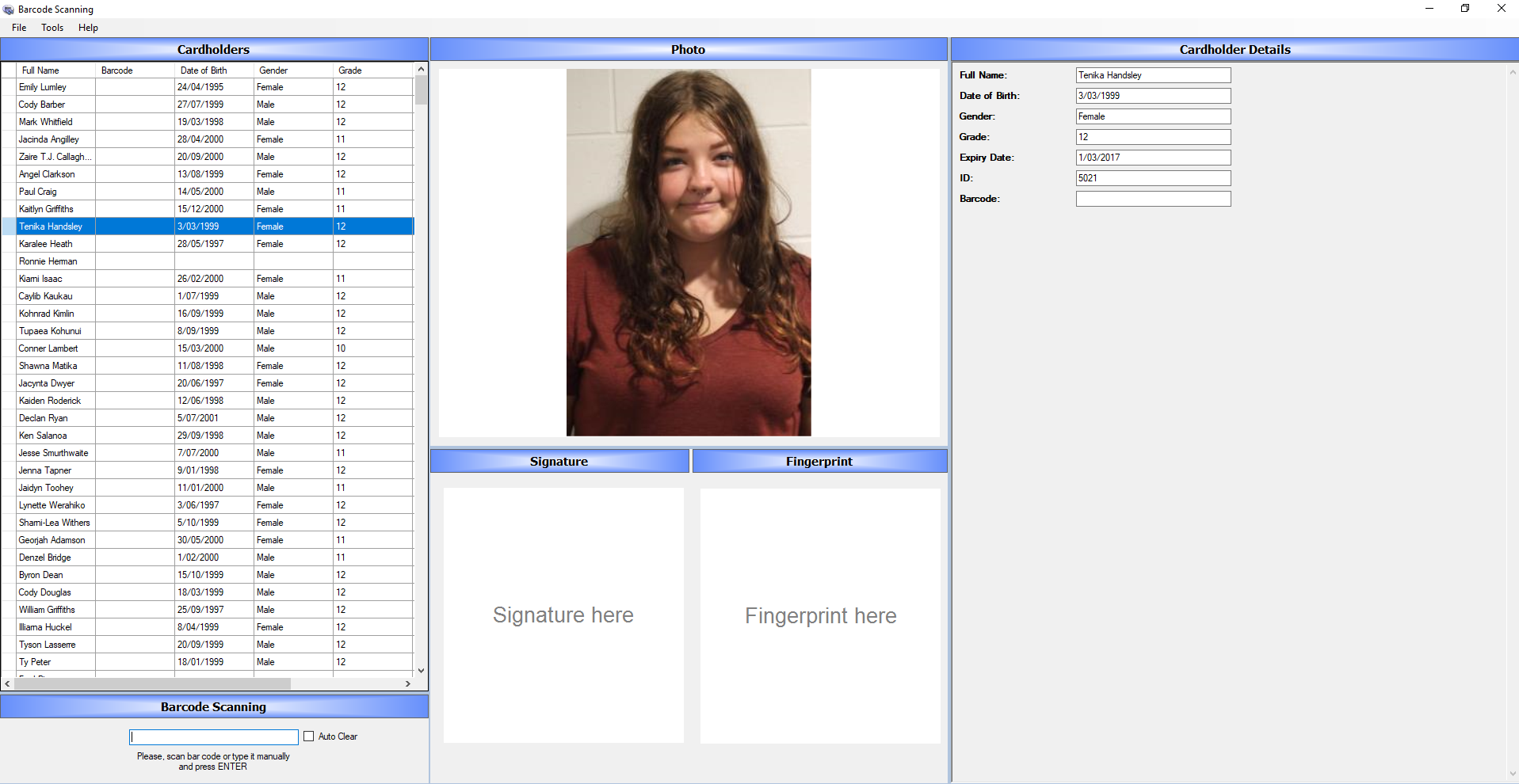
Different Datatype Support
Customizable Fields
Different User Access Levels
There’s no happy ending. But there is a boy who finally stops looking back.
More importantly, Papo & Yo opened a door for Latin American developers. Before it, magical realism in games was mostly aesthetic. Caballero made it structural—the impossible floating houses, the living favela steps, the child who can pull physics from a doodle. It’s a reminder that the most fantastical settings can hold the most honest pain. Because it’s short (about 3 hours). Because its ending will leave you staring at the credits in silence. And because, in an era of live-service loot boxes and open-world checklists, Papo & Yo does what only games can do: it makes you feel a metaphor in your hands. Every time you lure Monster away from a frog, you aren’t solving a puzzle. You’re reliving every hope that “this time will be different.”
Caballero has spoken openly about designing the game as therapy. “I wanted to make a game where I could save my father,” he said in a 2012 interview. “But I realized I couldn’t. I could only save myself.”
A flawed, unforgettable heartbreaker. Play it alone. Play it with tissues. And when Quico walks away from the falling monster, remember: sometimes the bravest flight is letting go.
Here’s a feature-style draft about Papo & Yo (often stylized as Papo & Yo ), focusing on its emotional depth, mechanics, and legacy. I’ve clarified “Flt” as a possible typo for “Flt.” (flight) or simply part of the title, but the core subject is the game itself. In the lush, sun-bleached favelas of a magical-realist South America, a barefoot boy named Quico places a piece of fruit on the ground. A towering, lumpy monster—half rhino, half childlike innocence—shuffles forward and takes a bite. For a moment, they are friends. Then the monster catches the scent of a frog. Its eyes go black. It roars, sets itself on fire, and begins to smash everything in sight.
This is the central, heartbreaking metaphor of Papo & Yo (2012), the debut game from Vander Caballero’s Minority Media. More than a puzzle-platformer, it’s a confession—an autobiographical exorcism of growing up with an alcoholic, abusive father. And a decade later, its “flight” (the “Flt” in your query) isn’t about literal flying, but about the desperate, weightless escape from a loved one you can’t save. Where most games use monsters as enemies to defeat, Papo & Yo asks you to love yours. The creature’s name is Monster—literally. It’s a gentle giant until it consumes a poisonous frog (the allegorical stand-in for alcohol). Then, it transforms into a raging, fire-breathing destroyer. You cannot kill it. You can only lead it away, distract it, or run.
App Screenshots
Papo And Yo Flt ✓
There’s no happy ending. But there is a boy who finally stops looking back.
More importantly, Papo & Yo opened a door for Latin American developers. Before it, magical realism in games was mostly aesthetic. Caballero made it structural—the impossible floating houses, the living favela steps, the child who can pull physics from a doodle. It’s a reminder that the most fantastical settings can hold the most honest pain. Because it’s short (about 3 hours). Because its ending will leave you staring at the credits in silence. And because, in an era of live-service loot boxes and open-world checklists, Papo & Yo does what only games can do: it makes you feel a metaphor in your hands. Every time you lure Monster away from a frog, you aren’t solving a puzzle. You’re reliving every hope that “this time will be different.” Papo And Yo Flt
Caballero has spoken openly about designing the game as therapy. “I wanted to make a game where I could save my father,” he said in a 2012 interview. “But I realized I couldn’t. I could only save myself.” There’s no happy ending
A flawed, unforgettable heartbreaker. Play it alone. Play it with tissues. And when Quico walks away from the falling monster, remember: sometimes the bravest flight is letting go. Before it, magical realism in games was mostly aesthetic
Here’s a feature-style draft about Papo & Yo (often stylized as Papo & Yo ), focusing on its emotional depth, mechanics, and legacy. I’ve clarified “Flt” as a possible typo for “Flt.” (flight) or simply part of the title, but the core subject is the game itself. In the lush, sun-bleached favelas of a magical-realist South America, a barefoot boy named Quico places a piece of fruit on the ground. A towering, lumpy monster—half rhino, half childlike innocence—shuffles forward and takes a bite. For a moment, they are friends. Then the monster catches the scent of a frog. Its eyes go black. It roars, sets itself on fire, and begins to smash everything in sight.
This is the central, heartbreaking metaphor of Papo & Yo (2012), the debut game from Vander Caballero’s Minority Media. More than a puzzle-platformer, it’s a confession—an autobiographical exorcism of growing up with an alcoholic, abusive father. And a decade later, its “flight” (the “Flt” in your query) isn’t about literal flying, but about the desperate, weightless escape from a loved one you can’t save. Where most games use monsters as enemies to defeat, Papo & Yo asks you to love yours. The creature’s name is Monster—literally. It’s a gentle giant until it consumes a poisonous frog (the allegorical stand-in for alcohol). Then, it transforms into a raging, fire-breathing destroyer. You cannot kill it. You can only lead it away, distract it, or run.
FREE Download
Our new TRIAL FREE DOWNLOAD process enables you to evaluate the installed trial version and then convert it to an unrestricted version by purchasing it and registering your software license. Our ID Software trial includes all the features available in a licensed copy. You will be able to design and print your employee cards, name badges and labels and you will have "TRIAL" printed on all the cards. The trial version will expire 14 days after you install it. Once the trial period is over, you may purchase Easy Card Creator ID Software online.



 Download