• Home
  • General
  • Guides
  • Reviews
  • News
Explore
  • Design
  • Strategy
  • Tech
  • Marketing
  • 09 Life
AGENCY09
LinkedIn Instagram YouTube X Facebook
  • About
  • Work
  • Careers Hiring!
  • Simplifyingtheweb Blog
  • Connect

Solutions

  • Tech
  • Content
  • Design
  • Media
  • Production
  • Keyword
  • Blog
    Blog Post

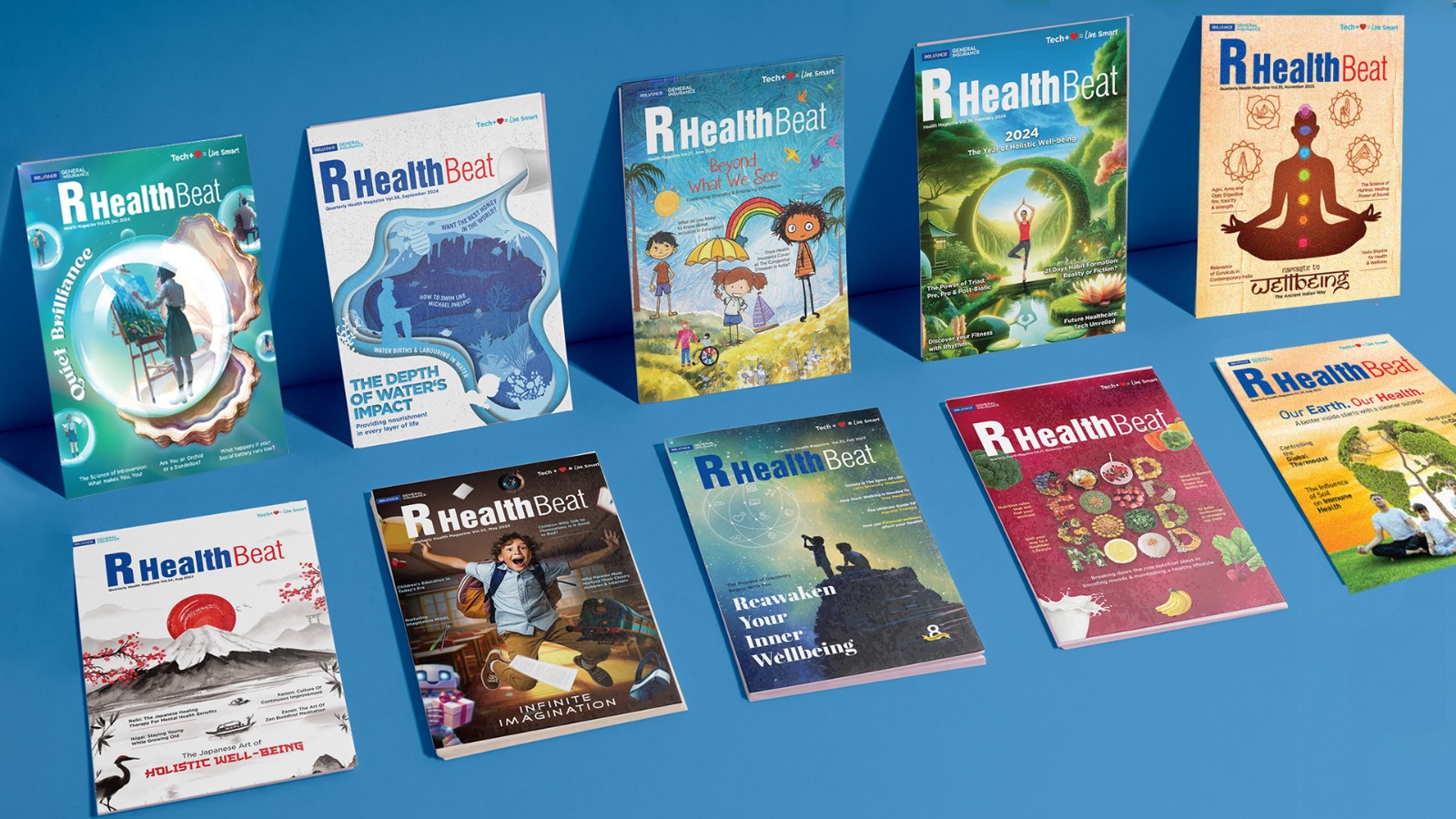
    The Journey of RHealthBeat Magazine, a Testament to Innovative Design

  • Blog
    Case Studies

    Elevate Your Print Marketing: Unleash Creativity with AGENCY09

  • REQUEST A SERVICE
  • JOIN THE TEAM
  • PARTNER WITH US

Start a conversation

Address

  • Mumbai
  • |
  • Dubai
  • |
  • Australia

101, Meghdoot, Junction of Linking & Turner Rd., Above Bank of Baroda, Opp HP Petrol Pump, Bandra West, Mumbai - 400 050

View Map

Media City,
Dubai

North Adelaide,
Adelaide 5006

Simplifying The Web
  • Marketing
  • Strategy
  • Tech
  • Design
  • A09 STORE
Social Links
Followers
Subscribers
Followers
  • Authors
  • Contact
  • Logout
0
0
627
Simplifying The Web
Simplifying The Web
  • Marketing
  • Strategy
  • Tech
  • Design
  • A09 STORE

Moreover, the blackmail trope has evolved in response to audience savvy. Modern viewers, armed with years of media literacy, anticipate the "Veena moment." Consequently, writers in contemporary shows subvert it. In Made in Heaven (Amazon Prime), a blackmail attempt over sexuality is resolved not with melodrama but with quiet legal and emotional strategy. In Family Man , blackmail is often undercut with dark comedy. Streaming-era content deconstructs the very device that soap operas perfected, offering meta-commentary or faster resolutions to satisfy viewers who can skip episodes or binge entire seasons. The persistence of the blackmail episode raises critical questions about creativity in popular media. Critics argue that it represents a failure of imagination—a crutch for writers who prioritize quantity over quality. Indian daily soaps, notorious for running thousands of episodes, rely on endless cycles of blackmail, memory loss, and mistaken identity. This can lead to narrative exhaustion, where characters behave illogically simply to maintain the secret.

However, defenders note that the trope persists because it works. It taps into fundamental human anxieties: loss of reputation, fear of exposure, and the abuse of power. In a fragmented media landscape, predictability offers comfort. The blackmail episode is the narrative equivalent of a fast-food burger—universally recognizable, low-risk, and satisfying in its familiarity. The "Veena blackmail episode" is more than a meme; it is a mirror reflecting the mechanisms of popular media. It demonstrates how production constraints (low budgets, high episode counts) shape narrative form, how audience engagement (meme creation, social sharing) recycles and revalues old content, and how even the most hackneyed devices can evolve in the streaming era. As entertainment continues to fragment across platforms, the blackmail episode will not disappear—it will simply adapt. Whether it is a dramatic confrontation in a daily soap or a tense negotiation in a prestige thriller, the secret held over someone’s head remains one of the most durable engines of story. And for that, we have Veena—and all her dramatic, finger-waving, music-cued glory—to thank.

In the landscape of popular media, certain narrative devices become so pervasive that they transcend their original context to become cultural touchstones. The "Veena blackmail episode"—a trope famously crystallized by the long-running Indian television drama Saath Nibhaana Saathiya —serves as a fascinating case study. While the specific character Veena and her dramatic confrontations are often memed for their over-the-top delivery, the underlying mechanism of the "blackmail episode" reveals much about the production, consumption, and evolution of entertainment content today. The Anatomy of a Trope The typical "Veena-style" blackmail episode follows a predictable yet effective formula: a villainous character (like Veena) acquires compromising information about a virtuous protagonist. Instead of seeking justice or resolution, the antagonist exploits this secret through repeated threats, creating a cycle of suspense, emotional distress, and near-revelations. This device is not unique to Indian television; it is a staple of soap operas globally, from The Young and the Restless to telenovelas like La Usurpadora . However, the Indian iteration, amplified by melodramatic close-ups, jarring background music (the infamous "Rising Sun" instrumental), and repetitive dialogue, has achieved a unique afterlife. Why Blackmail Dominates Serialized Content From a production standpoint, the blackmail episode is a tool of efficiency and longevity. Serialized entertainment—whether a daily soap or a weekly streaming series—requires sustained tension. Blackmail provides an endless reservoir of conflict without requiring new characters or expensive sets. It artificially prolongs story arcs, stretching what could be a ten-minute revelation into weeks of programming. In the attention economy, where streaming platforms like Netflix, Amazon Prime, and Disney+ Hotstar compete for binge-worthy content, the blackmail episode offers a low-cost, high-drama solution. Even prestige dramas employ its cousin—the "secret kept under wraps"—to drive seasons of Succession or Big Little Lies . The Memeification and Second Life of Clichés What makes the "Veena episode" particularly relevant to latest entertainment content is its digital reincarnation. The original scene—where Veena menacingly says, "What will you do now, Rasika?"—became a viral meme, remixed into thousands of TikTok, Instagram Reel, and YouTube Short parodies. This phenomenon highlights a key shift in popular media: content no longer lives only where it was created. A failed or absurd moment from a 2010s soap becomes "content" for a new generation on social media. Platforms like Netflix have even leaned into this, licensing clips or creating parody sequences, acknowledging that camp and cliché have market value.


Subscribe

Subscribe now to our newsletter

Navigation
  • Categories
    • Design
    • Marketing
    • Strategy
    • Shop
    • Tech
  • Posts
    • 09 Fonts That We Love
    • Is This A Repeat?
    • On a WhatsApp Group With Clients?
    • The Art of Parallel Referencing
    • Are we losing touch ?
  • Authors
  • Contact
Tags
advertising Advertising Agency AGENCY09 AI article fonts best fonts big picture Brand Communication Century Gothic Concept content Cool fonts corporate fonts Data analytics decision making Design Designer digital age digital marketing Digital Marketing Agency Facebook Famous Artists Helvetica Light insight Marketing Montserrat Parallel Referencing phone Playful fonts predictive analytics presentation fonts privacy Proxima Nova Roboto SEM SEO SMM social media ui/uxdesign User Experience Visual Art Visual Artists webflow website design Website Revamping
Recent Post
  • Veena Episode 6 Blackmail Xxx Comic Latest Fav Now

    Moreover, the blackmail trope has evolved in response to audience savvy. Modern viewers, armed with years of media literacy, anticipate the "Veena moment." Consequently, writers in contemporary shows subvert it. In Made in Heaven (Amazon Prime), a blackmail attempt over sexuality is resolved not with melodrama but with quiet legal and emotional strategy. In Family Man , blackmail is often undercut with dark comedy. Streaming-era content deconstructs the very device that soap operas perfected, offering meta-commentary or faster resolutions to satisfy viewers who can skip episodes or binge entire seasons. The persistence of the blackmail episode raises critical questions about creativity in popular media. Critics argue that it represents a failure of imagination—a crutch for writers who prioritize quantity over quality. Indian daily soaps, notorious for running thousands of episodes, rely on endless cycles of blackmail, memory loss, and mistaken identity. This can lead to narrative exhaustion, where characters behave illogically simply to maintain the secret.

    However, defenders note that the trope persists because it works. It taps into fundamental human anxieties: loss of reputation, fear of exposure, and the abuse of power. In a fragmented media landscape, predictability offers comfort. The blackmail episode is the narrative equivalent of a fast-food burger—universally recognizable, low-risk, and satisfying in its familiarity. The "Veena blackmail episode" is more than a meme; it is a mirror reflecting the mechanisms of popular media. It demonstrates how production constraints (low budgets, high episode counts) shape narrative form, how audience engagement (meme creation, social sharing) recycles and revalues old content, and how even the most hackneyed devices can evolve in the streaming era. As entertainment continues to fragment across platforms, the blackmail episode will not disappear—it will simply adapt. Whether it is a dramatic confrontation in a daily soap or a tense negotiation in a prestige thriller, the secret held over someone’s head remains one of the most durable engines of story. And for that, we have Veena—and all her dramatic, finger-waving, music-cued glory—to thank. Veena Episode 6 Blackmail Xxx Comic Latest Fav

    In the landscape of popular media, certain narrative devices become so pervasive that they transcend their original context to become cultural touchstones. The "Veena blackmail episode"—a trope famously crystallized by the long-running Indian television drama Saath Nibhaana Saathiya —serves as a fascinating case study. While the specific character Veena and her dramatic confrontations are often memed for their over-the-top delivery, the underlying mechanism of the "blackmail episode" reveals much about the production, consumption, and evolution of entertainment content today. The Anatomy of a Trope The typical "Veena-style" blackmail episode follows a predictable yet effective formula: a villainous character (like Veena) acquires compromising information about a virtuous protagonist. Instead of seeking justice or resolution, the antagonist exploits this secret through repeated threats, creating a cycle of suspense, emotional distress, and near-revelations. This device is not unique to Indian television; it is a staple of soap operas globally, from The Young and the Restless to telenovelas like La Usurpadora . However, the Indian iteration, amplified by melodramatic close-ups, jarring background music (the infamous "Rising Sun" instrumental), and repetitive dialogue, has achieved a unique afterlife. Why Blackmail Dominates Serialized Content From a production standpoint, the blackmail episode is a tool of efficiency and longevity. Serialized entertainment—whether a daily soap or a weekly streaming series—requires sustained tension. Blackmail provides an endless reservoir of conflict without requiring new characters or expensive sets. It artificially prolongs story arcs, stretching what could be a ten-minute revelation into weeks of programming. In the attention economy, where streaming platforms like Netflix, Amazon Prime, and Disney+ Hotstar compete for binge-worthy content, the blackmail episode offers a low-cost, high-drama solution. Even prestige dramas employ its cousin—the "secret kept under wraps"—to drive seasons of Succession or Big Little Lies . The Memeification and Second Life of Clichés What makes the "Veena episode" particularly relevant to latest entertainment content is its digital reincarnation. The original scene—where Veena menacingly says, "What will you do now, Rasika?"—became a viral meme, remixed into thousands of TikTok, Instagram Reel, and YouTube Short parodies. This phenomenon highlights a key shift in popular media: content no longer lives only where it was created. A failed or absurd moment from a 2010s soap becomes "content" for a new generation on social media. Platforms like Netflix have even leaned into this, licensing clips or creating parody sequences, acknowledging that camp and cliché have market value. Moreover, the blackmail trope has evolved in response
  • luxe gift card website revamp
    Revamping Luxe Gift Card’s Website for Speed, Style and Engagement
    • October 29, 2025
  • How We Transformed Tvarana’s Website with Webflow for Faster Performance, Higher Engagement, and Better SEO
    How We Transformed Tvarana’s Website with Webflow for Faster Performance, Higher Engagement, and Better SEO
    • January 30, 2025
  • Veena Episode 6 Blackmail Xxx Comic Latest Fav
    The Journey of RHealthBeat Magazine, a Testament to Innovative Design
    • January 13, 2025
Simplifying The Web

Copyright © 2026 Green Matrix

Input your search keywords and press Enter.

Quick Links

  • Clients
  • Vacancies
  • Connect
  • Simplifying The Web
  • A09 Store

We are available here

  • LinkedIn
  • Instagram
  • YouTube
  • X
  • Facebook

Play Music

  • REQUEST A SERVICE
  • JOIN THE TEAM
  • PARTNER WITH US
  • Office - Dubai

    Media City, Dubai

  • Head Office - Mumbai

    101, Meghdoot, Junction of Linking & Turner Rd.,
    Above Bank of Baroda Bank, Opp HP Petrol Pump,
    Bandra West, Mumbai - 400 050

    View Map
  • Office - Australia

    North Adelaide, Adelaide 5006

White Logo
Our Ecosystem
  • A09 Store
  • Insta Holidays
  • Academy Zero Nine
  • Logix
  • Pradeep Kakar and Associates
  • Octarine Organics

©AGENCY09. All Rights Reserved 2025

  • Privacy Policy